Introduction
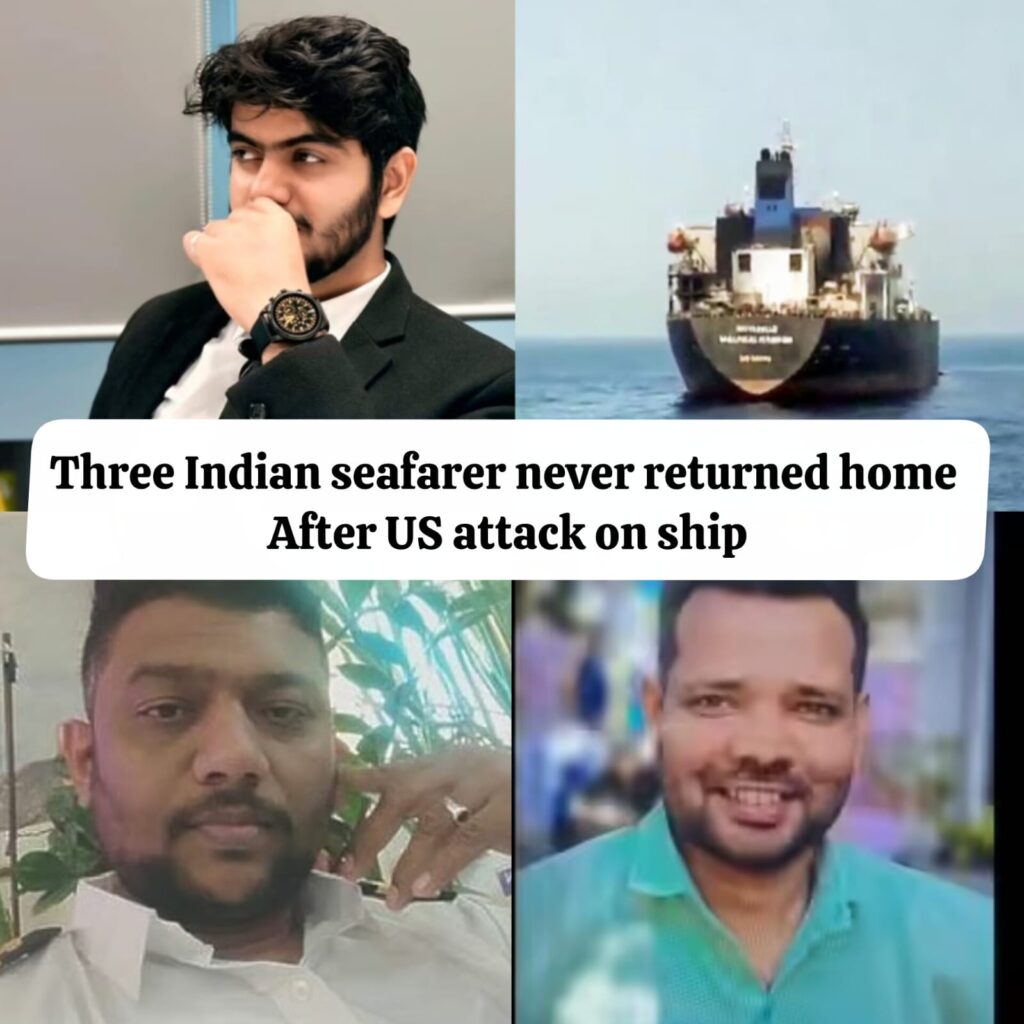
A tragic maritime incident in the Gulf region has sparked diplomatic tensions between India and the United States after Three Indians Dead After US Attack on Vessel became the focus of international attention. Three Indian seafarers lost their lives following a U.S. military strike on the oil tanker MT Settebello near the coast of Oman, raising serious concerns about the safety of civilian merchant vessels operating in conflict-prone waters. The incident has also highlighted the growing risks faced by Indian sailors working across the globe and prompted calls for accountability, transparency, and stronger protection for merchant shipping in international waters.
What Happened?
According to reports, the Palau-flagged oil tanker MT Settebello was sailing near the Strait of Hormuz and the Gulf of Oman when it came under attack during ongoing regional hostilities linked to the Iran conflict. The vessel carried 24 Indian crew members onboard.
Initially, three Indian sailors were reported missing while 21 others were rescued. After search and rescue operations, Indian authorities confirmed that all three missing seafarers had died in the incident. The rescue operation was conducted with assistance from Omani authorities.
Names and Ranks of the Deceased Indian Seafarers
The three Indian crew members confirmed dead are:
1. Patnala Suresh
Rank: Chief Engineer

Patnala Suresh was serving as the Chief Engineer aboard MT Settebello. As Chief Engineer, he was responsible for the vessel’s engineering department, machinery operations, and technical maintenance. News reports identified him among the three casualties of the strike.
2. Aditya Sharma
Rank: Deck Cadet
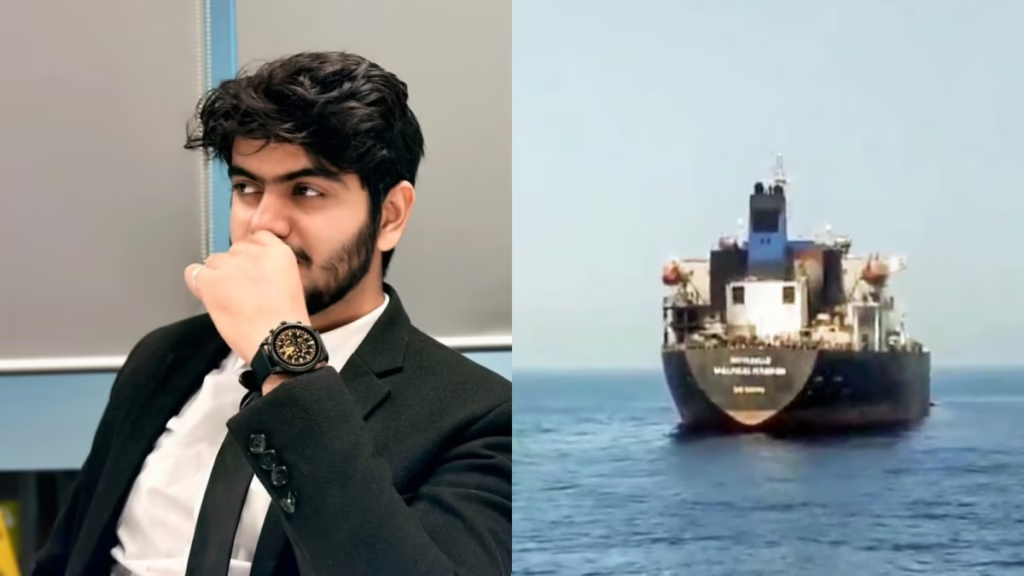
Aditya Sharma was working as a Deck Cadet on the vessel. Deck cadets are trainee officers who learn navigation, cargo operations, and shipboard management under senior officers. Reports indicate that Sharma hailed from Hamirpur district in Himachal Pradesh. His family later sought accountability and answers regarding the incident.
3. Shivanand Chaurashiya
Rank: Fitter

Shivanand Chaurashiya served as a Fitter onboard the tanker. Fitters are responsible for repair and maintenance work involving ship machinery and structural equipment. He was also confirmed among the fatalities following the attack.
Why Did the United States Attack the Vessel?
According to the U.S. Central Command (CENTCOM), the tanker was allegedly violating a military blockade aimed at restricting shipments connected to Iranian oil. U.S. officials claimed the vessel ignored warnings and continued its voyage, leading to military action.
However, the ship’s management company strongly disputed these allegations and denied that the vessel was involved in transporting Iranian oil. The company has demanded an independent international investigation into the incident.
Rescue Operation
Following the strike, rescue teams launched emergency operations in the area. Omani authorities successfully rescued 21 Indian crew members from the damaged vessel. Initially, three crew members were listed as missing. Later, Indian authorities confirmed their deaths.
India’s Strong Response
The Government of India strongly condemned the attack and lodged a formal protest with the United States. India’s Ministry of External Affairs summoned a senior U.S. diplomat and expressed serious concerns over the safety of Indian seafarers operating in international waters.
Indian officials emphasized that civilian merchant ships and their crews should never become targets during military conflicts. The government also called for restraint, diplomacy, and measures to ensure the safety of maritime workers.
Family Reactions
The families of the deceased sailors have demanded answers regarding the circumstances that led to the tragedy. Relatives of Aditya Sharma publicly questioned who would take responsibility for the deaths and called for a thorough investigation into the incident. Other family members have also sought clarity regarding the decisions that placed the vessel in a dangerous conflict zone.
Impact on Indian Seafarers
India is one of the world’s largest suppliers of maritime manpower, with hundreds of thousands of Indian seafarers serving on merchant vessels worldwide. The incident has renewed concerns about crew safety in regions affected by military conflict and geopolitical tensions.
Conclusion
The deaths of Chief Engineer Patnala Suresh, Deck Cadet Aditya Sharma, and Fitter Shivanand Chaurashiya aboard MT Settebello mark one of the most serious recent tragedies involving Indian merchant sailors. While questions remain about the circumstances surrounding the attack, the incident has intensified calls for greater protection of civilian shipping and accountability in conflict zones. As investigations and diplomatic discussions continue, the focus remains on ensuring that such a tragedy is not repeated.
Disclaimer: This article is based on information available from publicly reported news sources at the time of writing. Details may change as official investigations continue. Unverified social media claims have not been included.