Introduction
The news of 24 Indian sailors rescued after a U.S. missile hit a tanker near Oman has sparked international attention and raised serious questions about the safety of merchant seafarers operating in conflict zones. The incident occurred in one of the world’s busiest maritime routes, where commercial ships regularly transport oil and cargo through the Gulf region.
Although the vessel was carrying Indian crew members, reports suggest that the strike was not aimed at India or its citizens. Instead, it appears to have been linked to broader geopolitical tensions in the Middle East. Here is everything known so far about the incident, the rescue operation, and the response from the Indian government.
What Happened Near Oman?
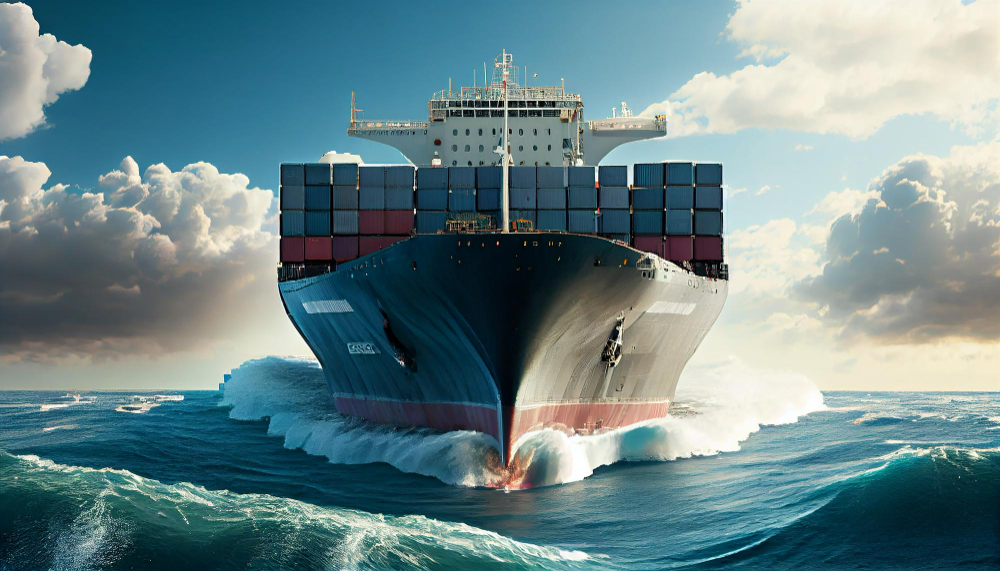
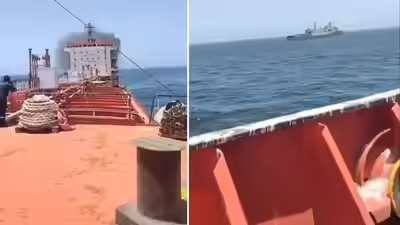
The tanker carrying 24 Indian sailors was reportedly operating in waters near Oman when it was struck during a U.S. military operation. The missile impact caused significant damage to the vessel, triggering a fire and creating panic among the crew.
The ship immediately transmitted distress signals requesting emergency assistance. Nearby maritime authorities and rescue agencies responded quickly to prevent a larger tragedy.
The incident occurred in a strategically important shipping corridor that connects the Gulf with international markets through the Strait of Hormuz, making it one of the most sensitive regions for global trade.
Why Did the U.S. Hit the Vessel?
One of the biggest questions surrounding the incident is why a ship with Indian crew members was targeted.
Based on available reports, the United States did not target the vessel because it had Indian sailors onboard. Instead, U.S. authorities reportedly believed the tanker was linked to activities involving Iran or was suspected of violating sanctions or restrictions connected to ongoing regional tensions.
The strike was reportedly part of wider military operations in the region rather than an action directed against India. As of now, no official statement suggests that Indian nationals were the intended targets.
What Was the Name of the Ship?
The exact identity of the tanker has been reported differently by various media organizations.
Some reports identified the vessel as MT Marivex, while others referred to it as Settebello. The tanker was reportedly sailing under the Palau flag while employing 24 Indian crew members.
Authorities are still verifying several details of the incident, and official investigations are ongoing.
How Were the Indian Sailors Rescued?
Immediately after the missile strike, the crew activated emergency procedures and sent distress messages requesting urgent help.
Omani maritime authorities, rescue vessels, and emergency response teams quickly launched a coordinated rescue mission. Lifeboats and nearby support ships were deployed to evacuate the sailors from the damaged tanker before conditions worsened.
Initial media reports claimed that all 24 Indian sailors had been rescued safely. However, later official updates suggested that while most crew members were brought to safety, search operations continued for a few missing personnel.
The rapid response by rescue agencies prevented what could have become a major maritime disaster.
What Action Did the Indian Government Take?
Following the incident, the Government of India immediately began coordinating with authorities in Oman and diplomatic missions in the region.
The Ministry of External Affairs (MEA) maintained close contact with the Indian Embassy and local officials to monitor rescue efforts and ensure assistance for the affected crew members.
The Indian government also sought detailed information regarding the circumstances of the strike and emphasized that the safety of Indian seafarers remains a top priority. Consular support was extended to the rescued sailors and communication channels were opened with their families.
Officials have continued monitoring developments while cooperating with international authorities involved in the investigation.
Why This Incident Matters
India supplies one of the largest numbers of merchant navy professionals to the global shipping industry. Thousands of Indian seafarers work aboard foreign-flagged vessels across international waters.
Events like this highlight the growing risks faced by civilian sailors operating in areas affected by military conflict or geopolitical instability. Merchant crews often become unintended victims despite having no involvement in political or military disputes.
The incident has renewed calls for stronger international safeguards to protect commercial shipping and ensure the safety of civilian mariners.
Global Impact on Maritime Trade
The Gulf of Oman and the Strait of Hormuz handle a significant portion of the world’s oil and cargo transportation. Any military activity in this region can disrupt shipping schedules, increase insurance costs, and create uncertainty for international trade.
Shipping companies may now review their routing strategies and security protocols to reduce risks for vessels operating in high-tension zones.
Conclusion
The incident involving the tanker near Oman serves as a stark reminder of the dangers faced by merchant seafarers working in volatile regions. While the U.S. strike appears to have been connected to broader geopolitical objectives rather than the nationality of the crew, Indian sailors found themselves caught in a life-threatening situation.
Thanks to the swift response of rescue teams and coordination among maritime authorities, many lives were saved. At the same time, the event underscores the need for greater protection of civilian shipping and stronger international cooperation to prevent such incidents from endangering innocent seafarers in the future.
Disclaimer
This article is based on publicly available news reports and official statements available at the time of writing. Some details, including the vessel’s identity and the final status of all crew members, have been reported differently by various sources and may change as investigations continue. Readers should refer to official government announcements and verified news agencies for the latest updates.