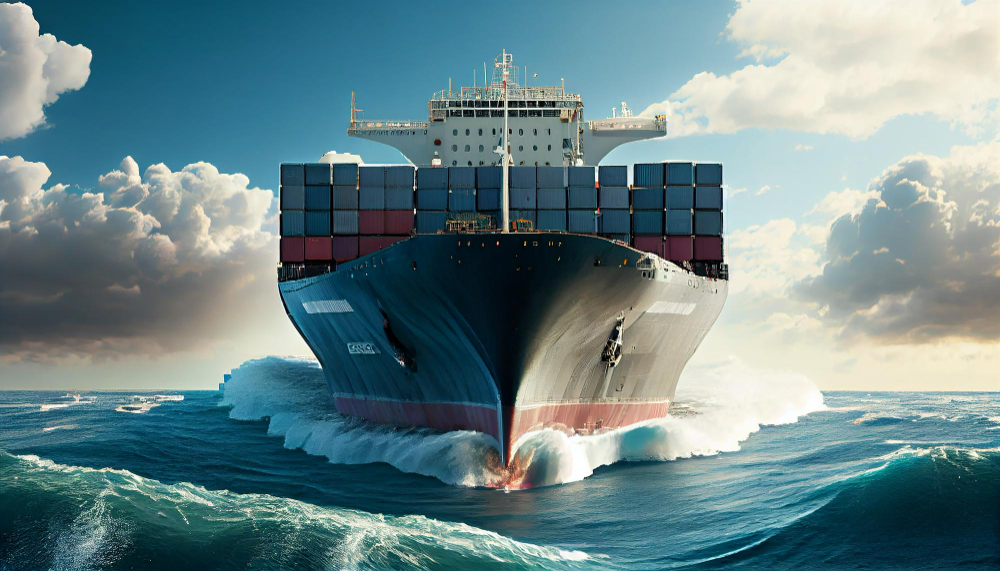
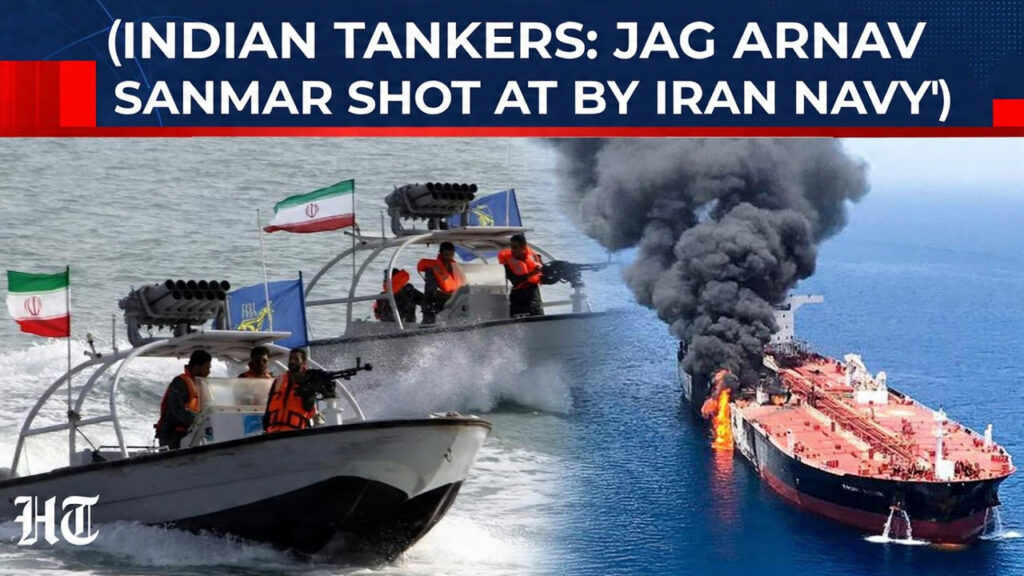
Tensions in the Middle East escalated sharply after Two Indian Tankers Shot By Iran Navy in the strategic Strait of Hormuz. The two Indian-linked vessels — Jag Arnav and Sanmar Herald — reportedly came under gunfire from Iranian naval forces while transiting the narrow waterway. The incident has triggered global concern over maritime security and the safety of commercial shipping routes that carry a large share of the world’s oil supply.
This development highlights how geopolitical conflicts can directly affect merchant shipping and seafarers operating in one of the most critical maritime chokepoints on Earth.
What Happened in the Strait of Hormuz
According to officials and shipping reports, Iranian gunboats opened fire near two Indian-flagged ships transiting the Strait of Hormuz. The vessels involved were:
- Jag Arnav – a large crude oil tanker carrying around 2 million barrels of Iraqi crude oil to India.
- Sanmar Herald – another tanker navigating in the same region.
The gunfire forced both ships to abort their transit and turn back, although no casualties were reported among the crew. Some reports suggest one vessel suffered minor damage, but the crew remained safe.
During the incident, a distress message from the tanker crew was heard saying that the vessel had already received clearance to pass, yet firing began shortly afterward — highlighting confusion and rising tensions in the area.
Why the Strait of Hormuz Is So Important
The Strait of Hormuz is one of the most important maritime routes in the world.
- It connects the Persian Gulf with the Gulf of Oman and the Arabian Sea.
- A large portion of global oil exports passes through this narrow waterway.
- India imports a significant share of its crude oil from Gulf countries through this route.
Any disruption here can immediately affect global energy markets, shipping operations, and maritime safety.
India’s Reaction to the Incident
Following the firing incident, the Indian government summoned the Iranian ambassador and lodged a strong protest.
Officials emphasized that:
- Threats to commercial shipping are unacceptable.
- The safety of Indian seafarers is a top priority.
- Freedom of navigation in international waters must be respected.
India is also closely monitoring the situation and coordinating with maritime authorities to ensure safe passage for vessels.
Impact on Global Shipping and Seafarers
The attack has raised fresh concerns among ship owners, maritime insurers, and seafarers working in the region.
Possible impacts include:
1. Increased War Risk for Ships
Shipping companies may face higher insurance premiums for vessels transiting the Gulf.
2. Delays in Oil Shipments
If ships avoid the Strait, energy supplies to major economies like India, China, and Japan could slow down.
3. Safety Risks for Seafarers
Merchant sailors often become unintended victims during geopolitical conflicts.
4. Reduced Traffic in the Strait
Several ships reportedly turned back or delayed their transit after the incident.
India’s Maritime Security Measures
Due to rising tensions in the region, India has increased naval monitoring under Operation Urja Suraksha, aimed at protecting energy supply routes and merchant vessels in conflict-prone waters.
Indian naval ships have been deployed near key maritime corridors to:
- Escort Indian-flagged vessels
- Monitor regional threats
- Ensure safe passage for commercial shipping
Conclusion
The firing incident involving Jag Arnav and Sanmar Herald highlights the growing risks facing global shipping amid rising geopolitical tensions in the Middle East.
For seafarers and shipping companies, the Strait of Hormuz remains one of the most dangerous yet essential maritime routes in the world. Ensuring safe navigation through this strategic waterway will require strong diplomatic engagement, international cooperation, and enhanced naval security in the region.
Disclaimer:
This article is based on publicly available information, media reports, and discussions circulating on social media at the time of writing. Some details may change as official investigations and confirmations emerge. The purpose of this content is to provide general information about maritime developments and should not be considered an official statement or verified report from any government or authority.