Introduction
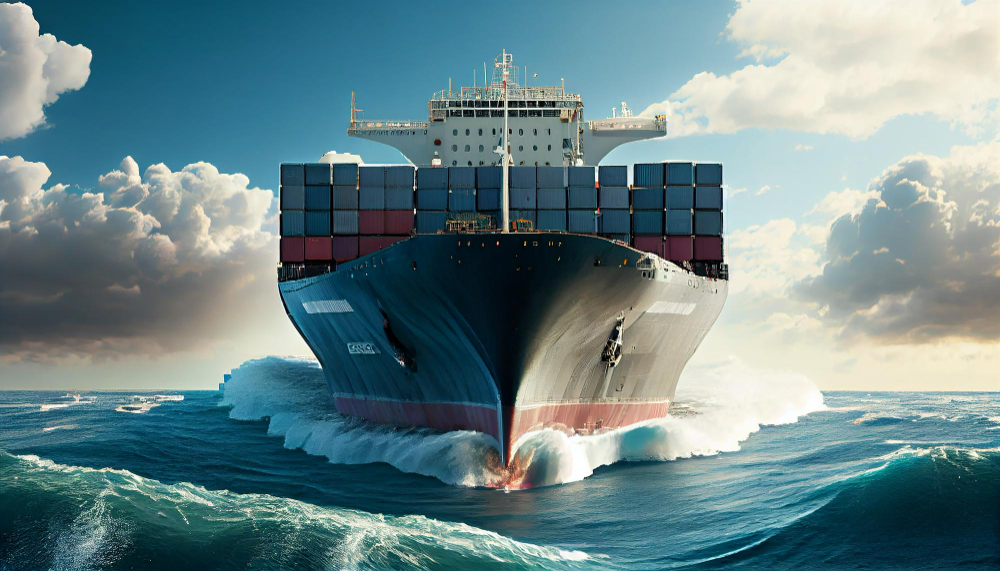
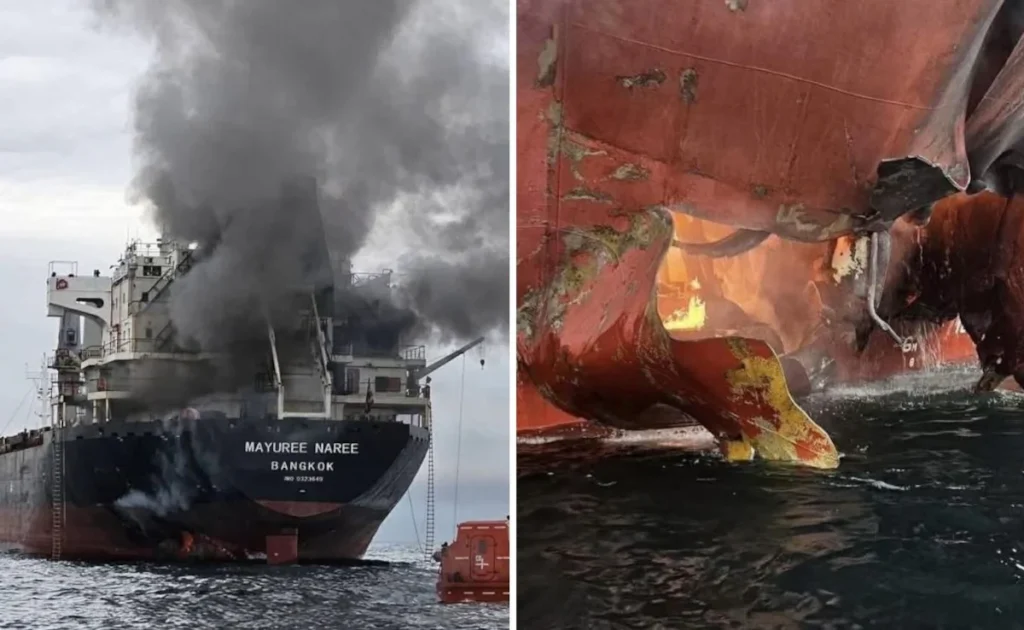
Cargo Ship Mayuree Naree Attacked in the Strait of Hormuz quickly became a major maritime security incident in March 2026. The Thai-flagged bulk carrier MV Mayuree Naree came under attack while sailing through the strategic Strait of Hormuz. As a result, global attention shifted toward the safety of commercial shipping in the region. Moreover, the attack highlighted the growing risks that merchant seafarers face in conflict-affected waters.
About the Vessel
The vessel MV Mayuree Naree sails under the Thailand flag. The company Precious Shipping Public Company Limited owns and operates the bulk carrier.
Key details of the vessel:
- Vessel type: Bulk carrier
- Flag: Thailand
- Owner: Precious Shipping PCL
- Crew onboard: 23 seafarers
The ship departed from Khalifa Port and headed toward Kandla Port. However, the vessel faced trouble while transiting the Strait of Hormuz.
How the Attack Happened
Reports suggest that armed projectiles struck the cargo ship during its transit through the strait. The explosions damaged parts of the vessel and triggered a fire near the engine room.
Consequently, thick smoke rose from the ship. The crew quickly initiated emergency procedures and requested help.
Out of 23 crew members, rescuers safely evacuated 20 seafarers. Meanwhile, reports initially suggested that three crew members remained missing, possibly inside the engine room.
Naval forces from Oman responded quickly. They rescued the surviving crew and transported them to the Omani coast. Therefore, authorities prevented further casualties.
Rising Tensions in the Region
The incident occurred during rising tensions between Iran, Israel, and the United States. Because of these tensions, commercial ships now face higher risks in Gulf waters.
Moreover, the Islamic Revolutionary Guard Corps had earlier warned ships about operating near sensitive areas. As a result, maritime security experts now monitor every incident in the region closely.
Why the Strait of Hormuz Is So Important
The Strait of Hormuz plays a crucial role in global energy trade. Every day, a large portion of the world’s oil supply moves through this narrow waterway.
Key facts include:
- Nearly 20% of global oil shipments pass through the strait.
- It connects the Persian Gulf with the Gulf of Oman.
- Many Gulf countries depend on this route for oil exports.
Therefore, any attack or disruption in this corridor immediately affects global shipping and energy markets.
Impact on Seafarers and the Shipping Industry
The attack on MV Mayuree Naree shows the growing dangers in high-risk maritime zones.
Increased Risk for Seafarers
Seafarers now face threats from drones, missiles, and armed attacks. Therefore, crews must stay alert during voyages through conflict zones.
Higher War-Risk Insurance
Shipping companies must pay higher insurance premiums. Consequently, operating costs continue to rise.
Possible Route Changes
Some shipping companies may avoid the Strait of Hormuz. Instead, they may choose longer routes. However, longer routes increase fuel costs and voyage time.
Economic Consequences
Any disruption in this region affects global oil supply. As a result, oil prices and freight costs may increase worldwide.
International Reaction
Several governments strongly condemned the attack. Countries including India called for stronger maritime security. Moreover, global authorities urged all parties to protect merchant vessels and seafarers.
Naval forces now patrol the Strait of Hormuz more closely. Consequently, the international community hopes to prevent further attacks.
Conclusion
The attack on the Thai bulk carrier MV Mayuree Naree highlights the growing risks in global shipping lanes. Moreover, the incident shows how geopolitical conflicts can threaten commercial vessels.
Therefore, stronger international cooperation and maritime security remain essential. Only then can the global shipping industry protect seafarers and maintain safe trade routes through the Strait of Hormuz.
Disclaimer:
This article is based on publicly available maritime reports and news sources. Details may change as investigations continue.