
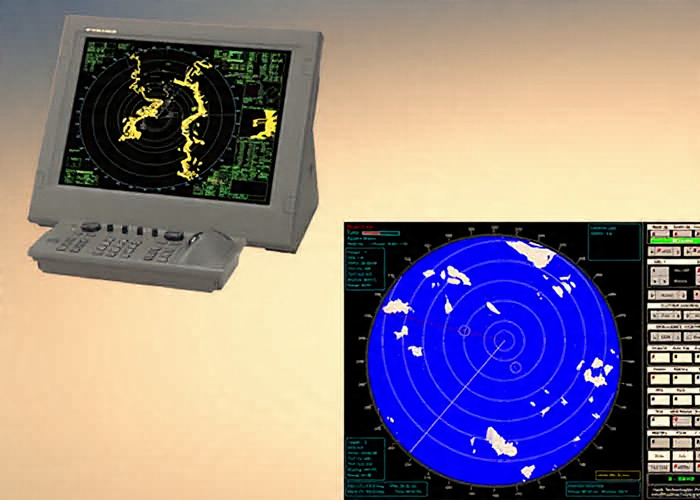
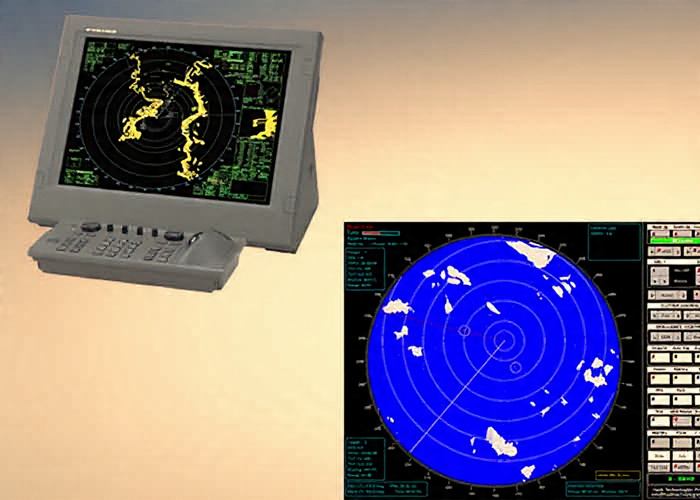
Safe navigation at sea depends heavily on the ability to detect and avoid other vessels. To support navigators, modern ships use ARPA (Automatic Radar Plotting Aid). ARPA is an advanced radar-based system that automatically tracks targets and helps officers assess collision risks. Understanding how ARPA works and why it is important is essential for every deck officer and maritime student.
What Is ARPA?
ARPA stands for Automatic Radar Plotting Aid. It is a radar system that automatically acquires, tracks, and analyzes targets around the ship. ARPA calculates the movement of other vessels and provides critical information such as CPA (Closest Point of Approach) and TCPA (Time to Closest Point of Approach).
In simple words, ARPA helps the navigator understand whether another ship is on a collision course.
Purpose of ARPA
The main purpose of ARPA is to:
- Reduce the risk of collision
- Improve situational awareness
- Support safe decision-making
- Assist compliance with COLREGs
ARPA acts as an aid to navigation but does not replace visual lookout or good seamanship.
How ARPA Works
ARPA uses radar signals to detect targets and then processes their movement over time.
Step-by-Step Working
- Radar detects surrounding targets
- ARPA locks onto selected targets
- The system tracks target movement
- ARPA calculates course, speed, CPA, and TCPA
- Collision warnings appear if risk exists
As a result, officers receive early warnings and more time to react.
Information Provided by ARPA
ARPA displays important target data such as:
- Target course and speed
- CPA (Closest Point of Approach)
- TCPA (Time to Closest Point of Approach)
- Bearing and distance
- Relative or true motion
This information helps navigators make timely and correct decisions.
ARPA Target Acquisition
Targets can be acquired in two ways:
- Automatic acquisition within a set range
- Manual acquisition selected by the operator
Once acquired, ARPA continuously updates the target information.
ARPA Alarms and Warnings
ARPA provides alarms for:
- CPA below safe limit
- Dangerous targets
- Target loss
- System errors
These alarms alert the bridge team before a situation becomes critical.
Advantages of ARPA
ARPA offers several benefits:
- Early detection of collision risk
- Automatic tracking of multiple targets
- Accurate CPA and TCPA calculations
- Reduced workload on navigators
- Improved safety in poor visibility
Limitations of ARPA
Despite its advantages, ARPA has limitations:
- Depends on accurate radar tuning
- Can give false data due to sea clutter
- Requires correct input of own ship data
- Cannot replace visual lookout
Therefore, navigators must always cross-check ARPA information.
ARPA and COLREGs
ARPA supports compliance with COLREG Rule 7 (Risk of Collision) and Rule 8 (Action to Avoid Collision). However, the responsibility for safe navigation remains with the officer of the watch.
Training and Certification
Officers must receive approved ARPA training as required by STCW. Proper training ensures correct use and interpretation of ARPA information.
Conclusion
ARPA (Automatic Radar Plotting Aid) is a powerful navigation tool that enhances safety by detecting and tracking surrounding targets. By providing accurate CPA and TCPA information, ARPA helps navigators avoid collisions effectively. However, safe navigation depends on skilled operators who use ARPA together with radar observation, AIS, and visual lookout.
📌 Disclaimer
This article is intended for general educational and informational purposes only. While every effort has been made to ensure accuracy, ARPA equipment, settings, and operational procedures may vary depending on vessel type, manufacturer, flag-state regulations, and company Safety Management System (SMS). ARPA is an aid to navigation and must always be used alongside radar observation, visual lookout, AIS, and compliance with COLREGs. The author and website are not responsible for any actions taken based on this information.