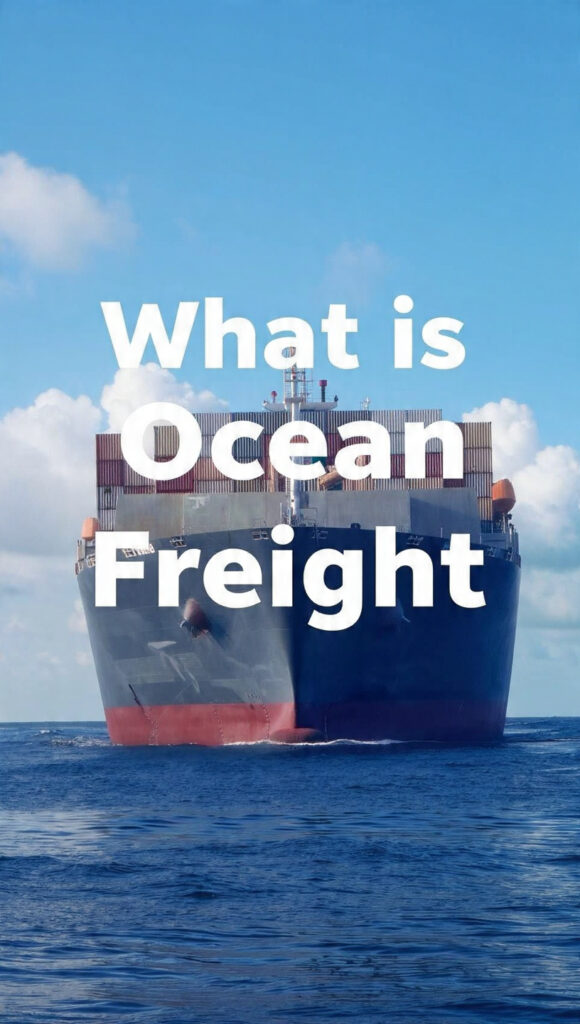
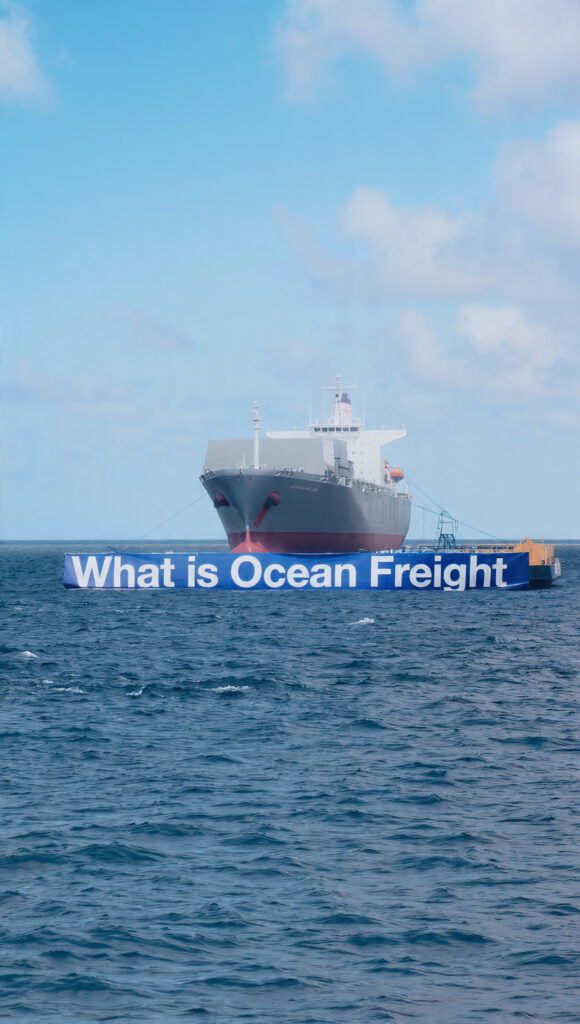
Global trade relies heavily on sea transport, and understanding what is ocean freight helps you see how goods move across continents. Ocean freight remains the backbone of international logistics because it allows businesses to transport large volumes of cargo economically and efficiently. As a result, companies of all sizes prefer it for long-distance trading. In this guide, we will explain ocean freight in simple terms and walk you through its types, process, advantages, and limitations.
What Is Ocean Freight?
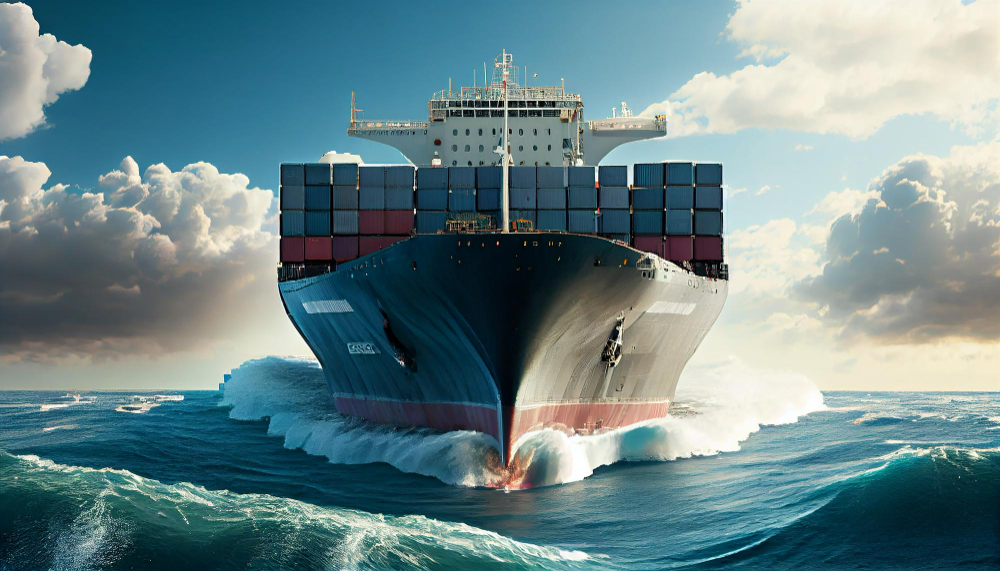
Ocean freight means transporting goods by sea using large cargo ships. Unlike air or road transport, ocean shipping handles huge quantities of cargo at lower costs. Since more than 90% of global trade moves across oceans, sea freight plays a vital role in the world economy.
Moreover, ocean freight allows the movement of different cargo types, including containers, vehicles, bulk goods, and temperature-controlled products. Because of this flexibility, industries depend on ocean shipping to keep their supply chains running smoothly.
Types of Ocean Freight
To understand ocean freight better, let’s explore its main categories:
1. FCL (Full Container Load)
You book an entire container. This option offers better security, faster delivery, and full control.
2. LCL (Less than Container Load)
You share container space with other shippers. Consequently, it helps reduce costs for smaller shipments.
3. Bulk Cargo
Bulk cargo includes goods such as coal, grains, and iron ore. These items travel loose inside large cargo holds.
4. Break Bulk Cargo
When items are too large for containers—like machinery or steel beams—they move as individual pieces.
5. Ro-Ro (Roll-on/Roll-off)
Vehicles, trucks, and heavy equipment roll directly onto the vessel. This method eliminates lifting and speeds up loading.
6. Reefer (Refrigerated) Cargo
Perishable items such as fruits, vegetables, and medicines require temperature control. Reefer containers handle them safely.
How Ocean Freight Works
Ocean freight follows a systematic process. Understanding each step helps shippers plan better.
Step 1: Booking the Shipment
You contact a freight forwarder or shipping line to reserve space.
Step 2: Preparing Cargo and Documents
You pack the goods properly and complete paperwork such as the Bill of Lading and commercial invoice.
Step 3: Export Customs Clearance
Authorities check documentation and approve the cargo for export.
Step 4: Loading and Departure
Workers load containers onto the vessel, and the ship begins its journey.
Step 5: Import Customs Clearance
Once the ship arrives, customs officials inspect the cargo and verify documents.
Step 6: Final Delivery
After clearance, the forwarder delivers the goods to the consignee’s location.
Advantages of Ocean Freight
Ocean freight offers several important benefits:
1. Highly Cost-Effective
Compared to air transport, sea shipping costs significantly less—especially for large volumes.
2. Eco-Friendly
Ships produce fewer emissions per ton than aircraft, making ocean freight more environmentally sustainable.
3. Suitable for All Cargo Types
From chemicals to oversized machinery, almost every type of cargo can move by sea.
4. Large Capacity
Ships carry thousands of containers in one voyage, making them extremely efficient.
Disadvantages of Ocean Freight
Although ocean freight is useful, it also has some drawbacks:
1. Longer Transit Times
Ships move slower than planes, so urgent deliveries may require air transport.
2. Weather-Related Delays
Storms, rough seas, and port congestion can affect schedules.
3. Additional Charges
Port fees, handling charges, and customs duties may increase total costs.
Why Ocean Freight Matters
Ocean freight continues to support the world economy by ensuring:
- smooth international trade
- affordable transportation options
- access to global markets
- stable supply chains
Because of its reliability and cost benefits, ocean freight remains an essential part of global logistics.
Conclusion
Ocean freight is not just a shipping method; it is a vital system that keeps international trade alive. By understanding what ocean freight is, how it works, and why companies rely on it, you can make smarter decisions about importing or exporting goods. Whether you run a business or simply want to learn about global logistics, ocean freight offers a clear view into how the world connects through trade.
Disclaimer:The information provided in this blog is for general educational and informational purposes only. While efforts have been made to ensure accuracy, ocean freight procedures, regulations, and shipping charges may vary by country, company, and shipping line. This content should not be considered professional logistics, legal, or commercial advice. Readers are encouraged to consult certified freight forwarders, shipping agents, or official authorities for specific guidance. The author and website are not responsible for any decisions, losses, or actions taken based on this information.