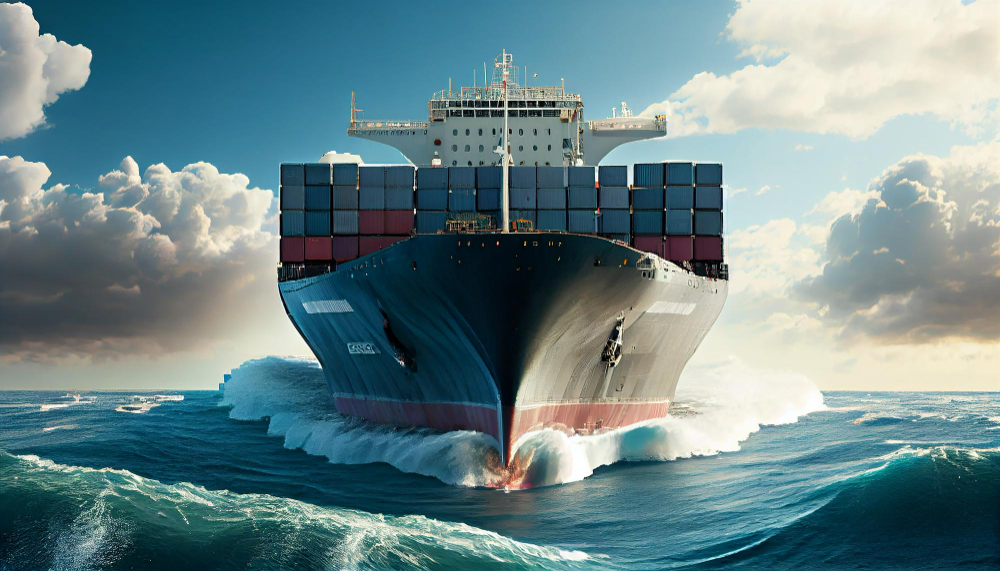
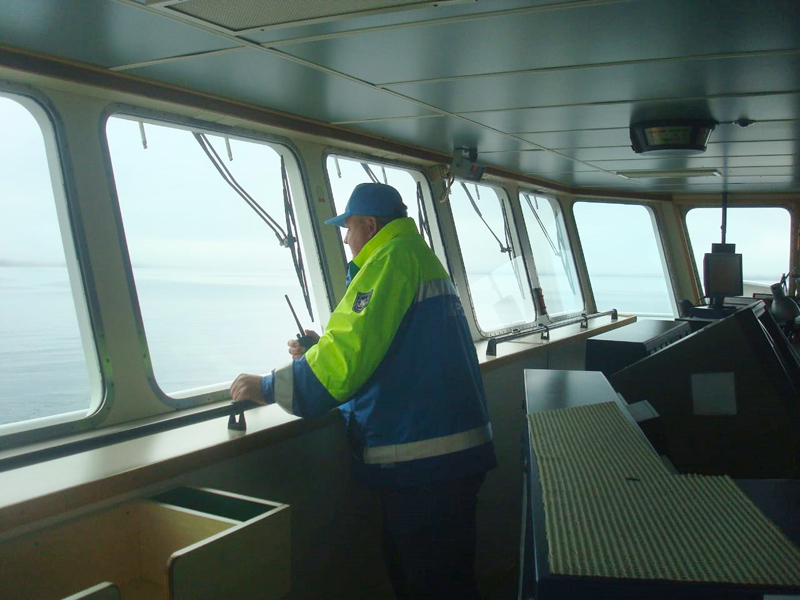
The maritime world is full of technical terms, and three concepts that often confuse students and even new seafarers what are the difference Salvage, Towage, and Pilotage. While all three involve assisting ships, each service has a distinct purpose, legal meaning, and operational procedure. Understanding these differences is essential for anyone working in or studying the maritime industry.
In this blog, we will clearly explain what Salvage, Towage, and Pilotage mean, how they differ, and why each plays a crucial role in ensuring safety at sea.
1. What is Salvage?
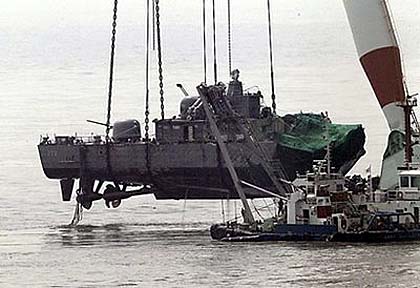
Salvage refers to helping a ship or its cargo when it is in danger. This danger can be due to grounding, fire, collision, machinery breakdown, or any situation where the vessel and crew are at risk.
Key Features of Salvage
- Involves saving life, ship, or cargo from danger
- Performed under risky or emergency conditions
- Usually carried out by professional salvors
- Compensation is based on the value of the property saved, risk taken, and effort made
- Governed by international rules such as LOF (Lloyd’s Open Form)
Example
A container ship loses power near a rocky coast. A salvage tug arrives and prevents the vessel from grounding. This service is salvage because the ship was in danger.
2. What is Towage?
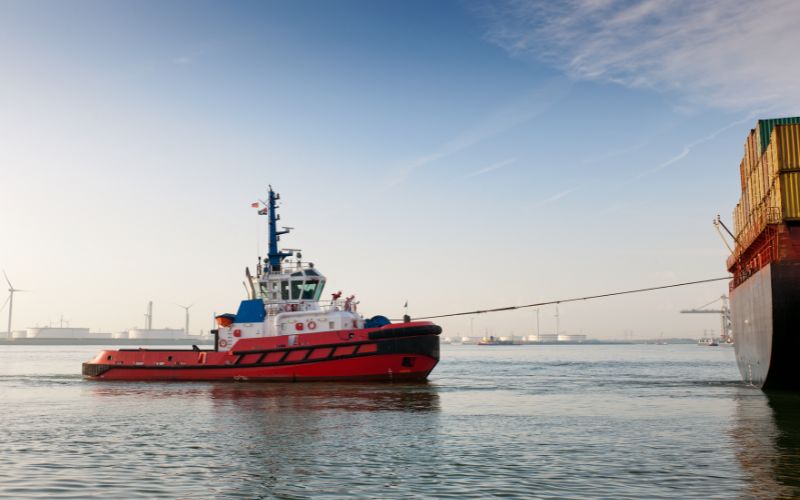
Towage is the act of pulling, pushing, or assisting a ship that is not in danger. It is a planned, commercial service performed under a contract.
Key Features of Towage
- Vessel is not in immediate danger
- Done for convenience or operational reasons
- Includes harbour towage, coastal towage, and ocean towage
- Payment is fixed and agreed upon beforehand
- No emergency or risk-based reward
Example
A tugboat helps a large bulk carrier move within a port to berth safely. This is normal towage, not salvage.
3. What is Pilotage?
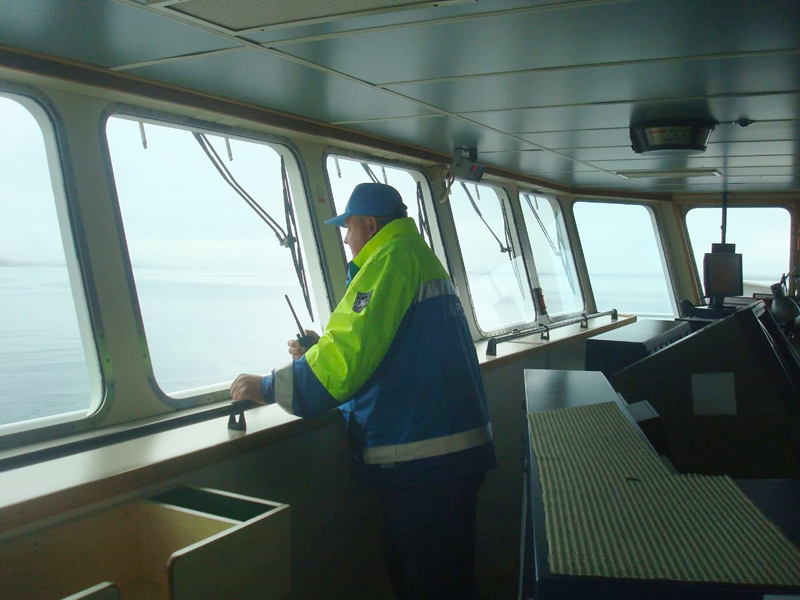
Pilotage involves a marine pilot boarding a vessel to guide it safely through ports, rivers, channels, or congested waters. Pilots have expert local knowledge of tides, currents, depths, and navigation rules in that region.
Key Features of Pilotage
- Pilot boards the ship temporarily
- Captain retains command, but pilot advises on navigation
- Mandatory in most ports
- Ensures safe and efficient navigation
- Charges are regulated by port authorities
Example
A pilot boards a tanker at the harbour entrance and guides it through shallow channels to the terminal berth.
4. Key Differences at a Glance
| Feature | Salvage | Towage | Pilotage |
|---|---|---|---|
| Purpose | Save vessel/cargo from danger | Assist movement of vessel | Navigate ship safely in local waters |
| Condition of Ship | In danger/emergency | Not in danger | Under normal operation |
| Payment | Based on success & value saved | Fixed commercial fee | Fixed or regulated port fee |
| Risk Level | High | Low | Low |
| Who Performs It | Professional Salvors | Tugboat Operators | Licensed Marine Pilots |
5. Why These Differences Matter
Understanding these distinctions is important because:
✔ Legal Implications
A towing job can quickly become a salvage situation if the vessel enters danger. This changes the payment, responsibility, and rights of both parties.
✔ Operational Clarity
Seafarers need to know who to call: salvors for emergencies, tugs for planned movement, and pilots for navigation.
✔ Cost & Contractual Terms
Different rules apply for salvage awards, towage contracts, and pilotage fees.
✔ Safety & Compliance
Ports require pilotage for safety, while salvage operations demand specialized equipment and trained professionals.
Conclusion
Although Salvage, Towage, and Pilotage all involve assisting ships, they serve very different purposes. Salvage deals with emergencies, towage supports vessel movement under normal conditions, and pilotage ensures safe navigation through local waters. Understanding these differences is essential for seafarers, maritime students, and anyone involved in shipping operations.
Disclaimer
The information provided in this blog is intended for general educational and informational purposes only. While every effort has been made to ensure accuracy, the author and website make no guarantees regarding the completeness, reliability, or suitability of the content. This article should not be considered professional maritime, legal, or operational advice. Readers are advised to verify details from official sources or consult qualified experts before making decisions. The website and author are not responsible for any losses, damages, or errors arising from the use of the information presented here.