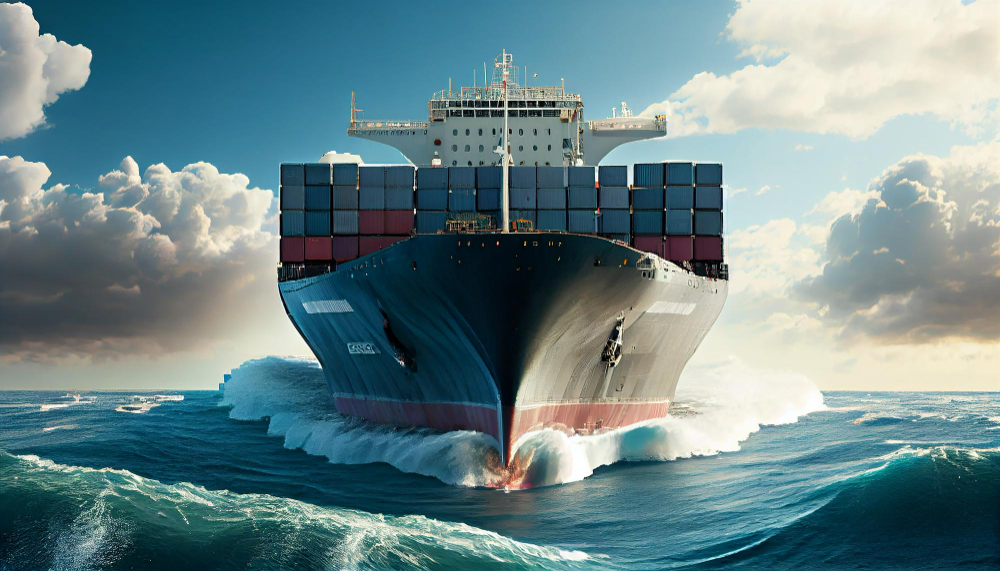
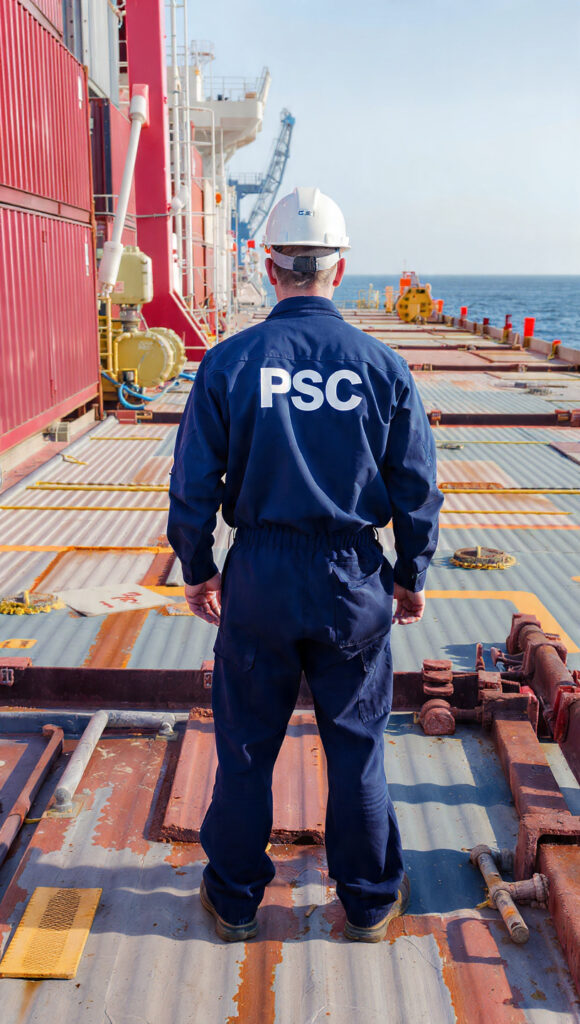
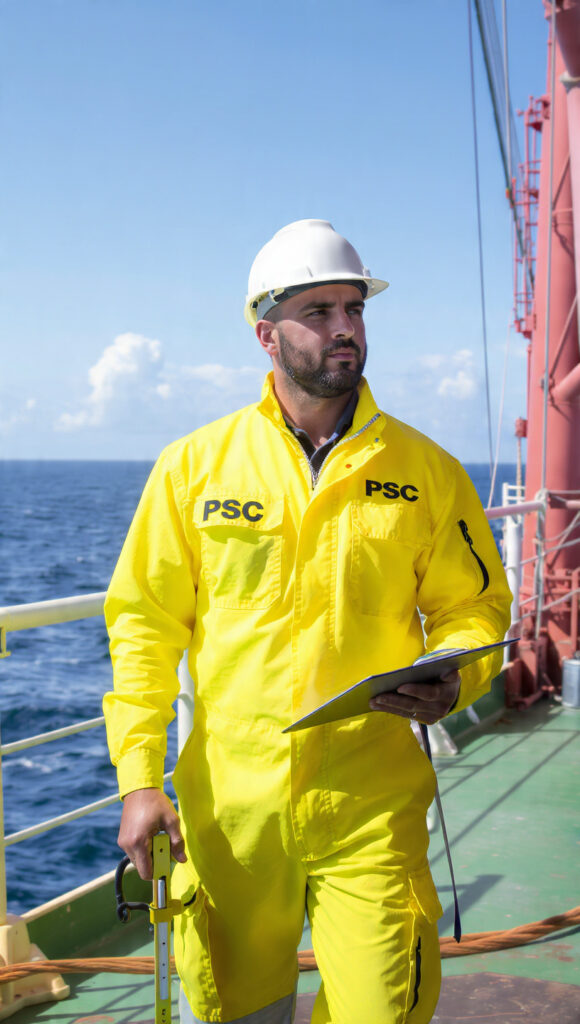
Shipping keeps global trade moving every day, carrying essential goods and raw materials across oceans. To maintain safe operations, strict inspections and international standards are necessary. This is where Port State Control (PSC) and Its Importance for Ship Safety becomes clear, as PSC plays a crucial role in ensuring that vessels are structurally sound, environmentally compliant, and operated by trained crews.
What is Port State Control (PSC)?
Port State Control (PSC) is a system in which a country—called the port state—inspects foreign ships visiting its ports. These inspections verify that the vessel follows international rules for safety, pollution prevention, security, and crew welfare.
PSC checks not just the physical condition of the ship, but also:
- The certification and competency of the crew
- Maintenance standards
- Safety equipment
- Compliance with major maritime conventions
The system is guided by international regulations established by the International Maritime Organization (IMO) and supported through regional agreements known as Memoranda of Understanding (MoUs), such as the Paris MoU and Tokyo MoU.
The goal is simple: ensure that all ships, regardless of their flag, maintain the same safety and environmental standards while sailing across the world.
Purpose of Port State Control
The main objective of PSC is to improve maritime safety, protect the environment, and ensure secure operations in international waters. A port state can inspect a foreign ship before granting permission to load, unload, or depart. If major deficiencies are found, the vessel may be detained until corrective actions are completed.
PSC inspections mainly focus on:
✔ 1. Ship Construction & Equipment
Inspectors verify that the ship’s structure and onboard equipment comply with global safety standards, including those under SOLAS.
✔ 2. Crew Competence
Crew members must be trained, certified, and capable of handling machinery, navigation, and emergency situations.
✔ 3. Pollution Prevention
Ships must follow rules to prevent oil spills, garbage discharge, sewage release, and air pollution as per MARPOL regulations.
✔ 4. Safety & Fire-Fighting Equipment
Life rafts, lifeboats, fire extinguishers, communication devices, and alarms must be in good working condition.
✔ 5. Operational Safety
Inspectors observe operational procedures like cargo handling, machinery operation, emergency drills, stability checks, and navigation practices.
Benefits of Port State Control in Ship Safety
Port State Control plays a significant role in maintaining global shipping standards. Some of the most important benefits include:
1. Improved Vessel Safety
Regular inspections help identify unsafe practices, damaged equipment, or structural weaknesses before they lead to accidents. By ensuring ships are seaworthy and well-equipped, PSC reduces risks such as:
- Collisions
- Groundings
- Engine failures
- Onboard fires
Ultimately, this makes the seas safer for ships, crews, and coastal nations.
2. Compliance with International Regulations
PSC ensures that vessels follow key maritime conventions such as:
- SOLAS (Safety of Life at Sea)
- MARPOL (Pollution Prevention)
- STCW (Crew Training and Certification)
- ILO Maritime Labour Convention (MLC)
Uniform compliance prevents substandard ships from operating and creates a level playing field in global shipping.
3. Enhanced Environmental Protection
Marine pollution can cause long-lasting damage to ecosystems. PSC inspections check that ships:
- Properly manage waste
- Maintain anti-pollution systems
- Prevent oil discharge
- Follow emission control norms
By enforcing environmental standards, PSC helps reduce pollution incidents and protect marine life.
4. Better Crew Welfare and Training
A ship is only as safe as the people who operate it. PSC ensures that:
- Crew members are properly certified
- Working and living conditions meet MLC standards
- Adequate rest hours are provided
- Emergency training is conducted regularly
Improved crew welfare leads to safer operations and fewer human-error-related accidents.
Why PSC Remains Crucial for the Future of Shipping
Port State Control is not just a regulatory requirement—it is a foundation of global maritime safety. As ships become more advanced and environmental standards become stricter, PSC will continue to play a vital role in:
- Preventing substandard ships from entering service
- Encouraging countries to maintain high maritime standards
- Increasing transparency and accountability in the shipping industry
With ongoing cooperation among port states worldwide, PSC will remain a strong pillar supporting safe, secure, and sustainable shipping.
Conclusion
Port State Control (PSC) is essential for protecting lives at sea, maintaining vessel standards, and safeguarding the marine environment. Through regular inspections and strict enforcement of international regulations, port states ensure that all ships—regardless of their flag—operate responsibly and safely.
PSC strengthens global maritime trust and helps build a safer future for seafarers, shipowners, and coastal nations. As shipping continues to grow, the importance of PSC in shaping safer and more sustainable oceans will only increase.
Disclaimer :The information provided in this blog is for general educational purposes only. While every effort has been made to ensure accuracy, we do not guarantee the completeness or reliability of the content. Readers should not consider this article as professional or legal advice. Maritime rules and regulations may change over time, so always refer to official sources or consult qualified professionals before making decisions. The website and author are not responsible for any losses, errors, or damages arising from the use of this