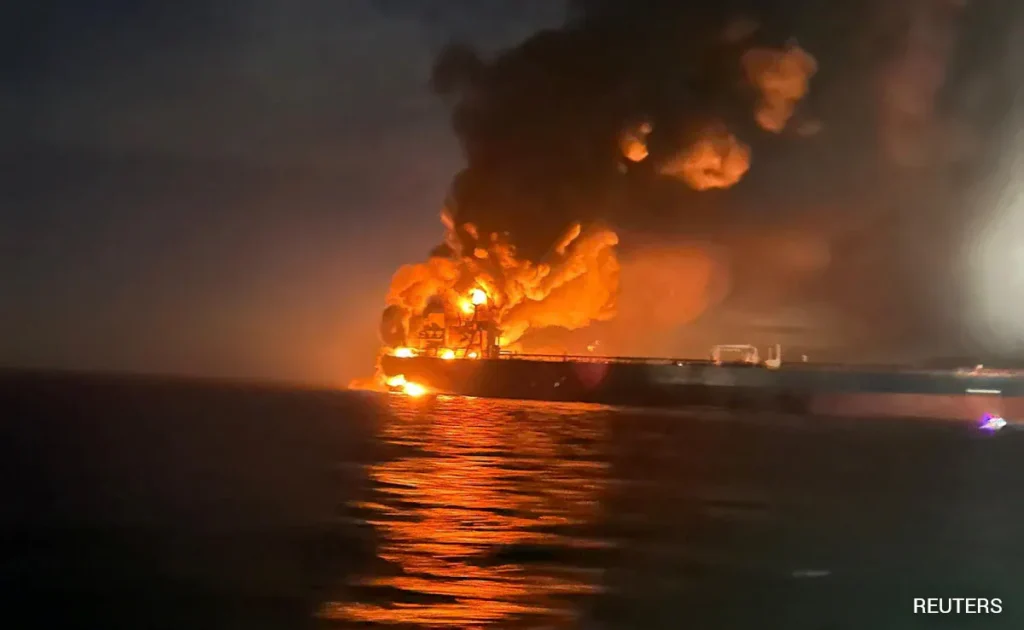
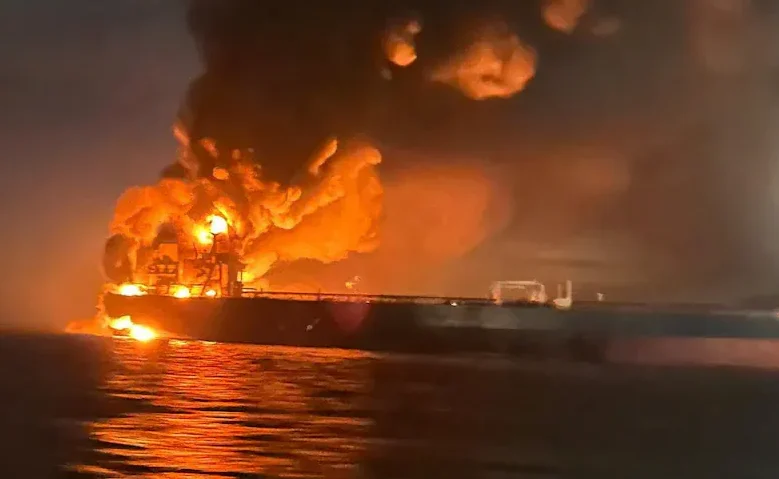
The LNG bunker vessel MT Kairos Faces Critical Fire During Operations while carrying out bunkering near Malmö, Sweden. The sudden fire began inside the auxiliary engine room and created immediate alarm for the crew. Because LNG bunker vessels operate under strict safety standards, any onboard fire can escalate rapidly. However, the team reacted with strong coordination and prevented the incident from becoming a major maritime emergency.
The Incident Unfolds
During routine operations, smoke detectors triggered an alarm in the auxiliary engine room. Instead of hesitating, the watchkeepers acted instantly and informed the bridge about the rising temperature. As the smoke thickened, the engineering team quickly confirmed a fire in the compartment. Although the exact ignition source is still being studied, early indications point toward a technical malfunction involving fuel or electrical equipment.
How the Crew Controlled the Fire
The crew followed their emergency protocol without delay. First, they sealed the affected space by closing fire doors and stopping ventilation. Then they shut down machinery connected to the area to prevent fuel supply from feeding the flames. After securing the room, they activated the fixed CO₂ fire-extinguishing system, which filled the compartment and rapidly smothered the fire.
Meanwhile, the emergency squad monitored the surrounding bulkheads and prepared portable equipment in case re-ignition occurred. Because of their swift coordination, the blaze did not spread, and no injuries were reported.
Impact on Vessel Operations
Following the fire, MT Kairos suspended bunkering activities to allow a full technical inspection. Surveyors are now assessing damage to cables, generators, and auxiliary systems. They will also check the structural integrity of bulkheads and ventilation ducts. Although the vessel experienced operational delays, the wider LNG bunkering network continues functioning smoothly, as other bunker vessels have stepped in to support scheduled deliveries.
Why Engine Room Fires Are a Major Threat
Engine rooms house machinery that generates heat, pressure, and vibration. When these factors combine with fuel, lubrication oil, and electrical wiring, even a small leak or spark can create dangerous conditions. LNG bunker vessels face additional risk because they support cryogenic systems and high-pressure pipelines.
Therefore, preventing fires requires:
- Reliable leak detection
- Strict maintenance routines
- Frequent fire and CO₂ drills
- Clean engine-room housekeeping
- Regular inspection of electrical systems
This incident highlights the value of consistent safety culture and proper training.
Lessons from the MT Kairos Event
The fire aboard MT Kairos shows how well-trained crews can stop a serious emergency from escalating. Their disciplined response protected the vessel, avoided injuries, and kept the situation under control. As investigators release more findings, the maritime industry will likely use the lessons to strengthen fire-prevention standards on LNG bunker vessels worldwide.
Disclaimer
This blog is based on publicly shared updates and maritime safety information. Official investigation outcomes may modify certain details as more data becomes available.