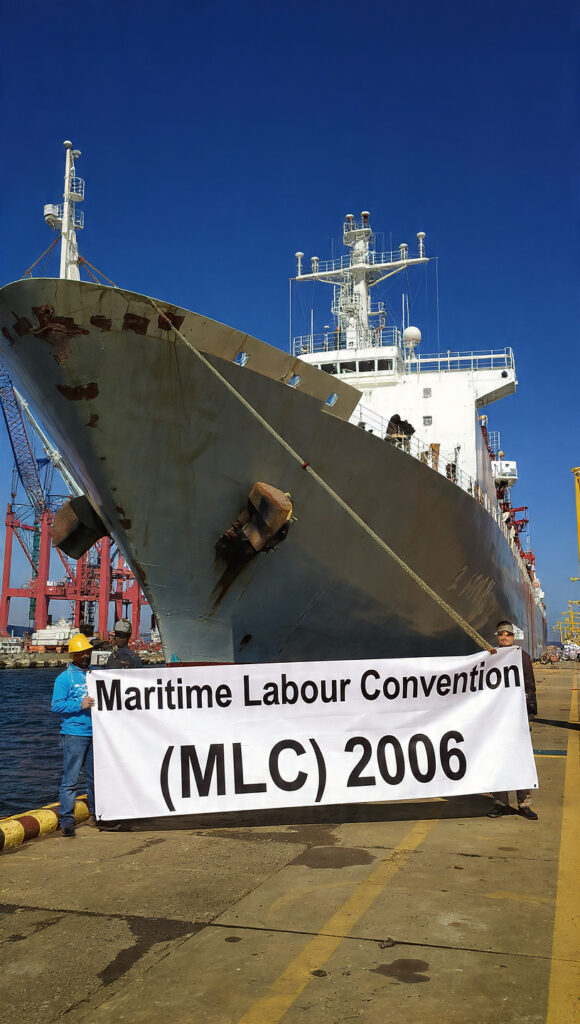
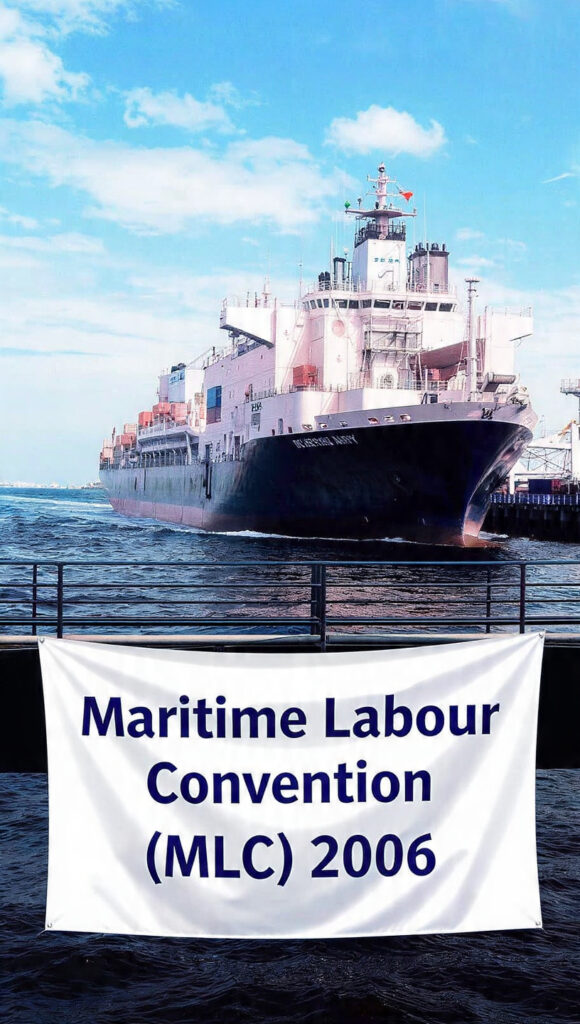
The Maritime Labour Convention (MLC 2006) is often called the Seafarers’ Bill of Rights because it protects the working and living conditions of seafarers worldwide. It brings together different international labour standards into a single, clear framework. As a result, both seafarers and shipowners get a reliable system that ensures safety, fairness, and proper welfare at sea. Because the shipping industry depends heavily on its workforce, the MLC 2006 plays a vital role in keeping ships compliant and crew members safe.
Why the MLC 2006 Was Created
Before this convention, several labour rules existed, but many were old or confusing. Many countries applied them differently, which created problems for ships and seafarers. To solve this, the International Labour Organization (ILO) introduced MLC 2006, which combined and updated more than 65 labour standards. Consequently, the industry now follows a modern and uniform rulebook.
Structure of MLC 2006
The MLC 2006 is divided into five main Titles. Each Title covers a different area of rights and responsibilities for seafarers and shipowners.
Title 1 – Minimum Requirements for Seafarers
This title explains the basic conditions a person must meet to work at sea. It includes:
- Minimum age (usually 16 years, 18 for risky work)
- Medical fitness
- Standard training and certification
- Proper recruitment procedures
Because these rules are clear, they prevent unsafe or unfair hiring practices.
Title 2 – Conditions of Employment
This title focuses on working terms. It includes:
- Seafarer employment agreements
- Wages paid on time
- Working hours and rest periods
- Paid annual leave
- Repatriation rights
- Career development
Moreover, it ensures that seafarers know their rights before joining any ship.
Title 3 – Accommodation, Recreational Facilities & Food
Good living conditions are essential, especially during long voyages. Therefore, this title sets standards for:
- Sleeping rooms and sanitary facilities
- Ventilation, lighting, and noise control
- Clean and hygienic galleys
- Quality of food and drinking water
These rules help maintain comfort and health at sea.
Title 4 – Health Protection, Medical Care & Welfare
This title protects the overall well-being of seafarers. It covers:
- Medical care on board and ashore
- Access to hospitals
- Protection from workplace hazards
- Social security
- Shipboard safety programs
Additionally, it ensures that every seafarer receives proper medical attention whenever needed.
Title 5 – Compliance & Enforcement
This title ensures that ships follow the rules. It includes:
- Flag State inspections
- Port State control checks
- Certification like MLC Certificate and Declaration of Maritime Labour Compliance
- Complaint procedures
Because of this title, seafarers can report issues safely and confidentially.
Benefits of MLC 2006
For seafarers:
- Fair working conditions
- Safe living environment
- Medical support
- Better protection of rights
For shipowners:
- Clear compliance guidelines
- Fewer disputes
- Higher crew satisfaction
- Better reputation
Conclusion
The MLC 2006 plays a major role in improving the global maritime industry. It not only protects seafarers but also helps shipowners maintain strong, safe, and well-managed operations. With fair rules and effective enforcement, the convention creates a balanced working environment at sea.
Disclaimer:This blog is intended for educational and informational purposes only. It does not constitute legal advice. Readers should consult official maritime authorities, legal professionals, or the latest MLC 2006 amendments for accurate and updated regulatory requirements.