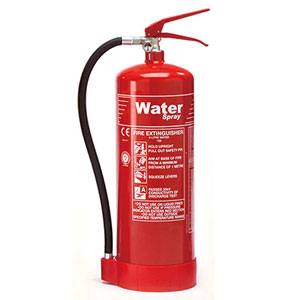
Fire safety forms the backbone of every vessel’s operational integrity. With numerous combustible materials onboard, having the right type of extinguisher for each fire class is critical. Among all firefighting tools, the Water Extinguisher Onboard Ship is one of the most traditional and effective devices used to fight fires involving solid materials. As per SOLAS regulations, these extinguishers are mandatory in specific shipboard areas to ensure complete fire preparedness and crew safety.
💧 What Is a Water Fire Extinguisher?
A water extinguisher uses pressurized water to cool burning materials and remove heat from the fire triangle.
It is effective primarily on Class A fires, which involve solid combustibles such as:
- Paper
- Wood
- Cloth
- Plastics
- Upholstery
The cooling action reduces the fire’s temperature below its ignition point, preventing re-ignition.
⚓ Working Principle of Water Extinguishers
The principle of operation is based on cooling and smothering.
When discharged, the high-pressure water stream:
- Lowers the temperature of burning material
- Soaks surrounding objects to stop fire spread
- Eliminates the heat source necessary for combustion
Some models include additives to improve penetration and evaporation control, increasing their effectiveness.
🧯 Types of Water Extinguishers Onboard Ship
| Type | Description | Usage |
|---|---|---|
| Stored Pressure Type | Water and air stored under pressure in one cylinder | Common type on ships |
| Gas Cartridge Type | CO₂ cartridge releases pressure when triggered | Used in older systems |
| Water Mist Extinguisher | Converts water into fine mist | Reduces electrical conduction risk |
Modern vessels often use water mist extinguishers, which are safer for enclosed spaces and near low-voltage equipment.
⚙️ Where Are Water Extinguishers Located Onboard?
According to SOLAS Chapter II-2, water extinguishers are generally placed in:
- Accommodation areas
- Corridors and stairways
- Cabins and mess rooms
- Storerooms and workshops (non-electrical)
- Bridge and office areas
They should not be used in engine rooms, pump rooms, or electrical compartments due to the risk of electric shock.
⚠️ Limitations and Safety Precautions
While effective, water extinguishers have certain limitations.
They must not be used on:
- Electrical fires (risk of shock)
- Flammable liquid fires (fuel spreads with water)
- Gas fires (ineffective)
Precautions:
- Ensure area is free from live electricity
- Maintain proper stance to handle recoil pressure
- Do not aim at people or electrical panels
- Refill and service immediately after use
🔧 Maintenance and Inspection Schedule
| Check Item | Frequency |
|---|---|
| Pressure gauge in green zone | Monthly |
| Body free from corrosion | Monthly |
| Hose and nozzle clear | Monthly |
| Hydrostatic test | Every 5 years |
| Refill after use | Immediately |
Each extinguisher must have a clear label, operating instructions, and inspection tag for verification during safety audits.
📜 SOLAS Requirements for Water Extinguishers
Under SOLAS Chapter II-2, Regulation 10 and the FSS Code, the requirements include:
- Ships must carry approved portable extinguishers suitable for the types of fires likely to occur
- Water extinguishers must be distributed in accommodation spaces and non-electrical areas
- Each deck level should have accessible extinguishers with appropriate signage
- Regular inspection, servicing, and hydrostatic testing are mandatory
Surveyors check these extinguishers during Annual, Intermediate, and Renewal Surveys.
🚢 Advantages of Water Extinguishers Onboard Ship
- Simple to operate and refill
- Highly effective on solid material fires
- Eco-friendly – contains no harmful chemicals
- Readily available and inexpensive
Despite their simplicity, they remain a crucial first-line defense for general shipboard fire safety.
✅ Conclusion
The Water Extinguisher Onboard Ship continues to be an essential firefighting appliance as per SOLAS standards. It provides quick, efficient, and environmentally safe control over Class A fires in accommodation and public spaces. However, proper usage training, routine inspections, and awareness of its limitations are key to ensuring effective shipboard fire protection. Every crew member must know when and where to use it to prevent small fires from escalating into major incidents.
⚠️ Disclaimer:This article is for educational and general maritime awareness purposes only. It summarizes SOLAS and FSS Code guidelines regarding water extinguishers. Actual requirements may vary depending on ship type, flag state, and classification society. Always follow your company’s Safety Management System (SMS) and manufacturer’s instructions for accurate operation and maintenance.