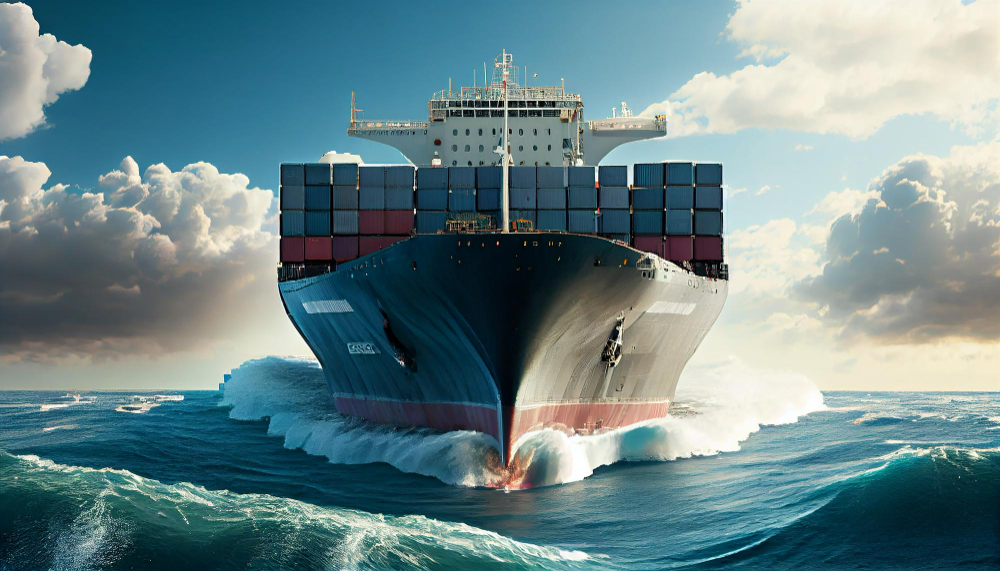
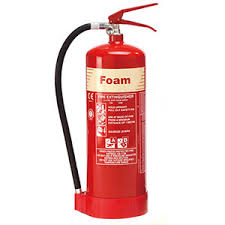
Fire safety onboard ships is a vital aspect of marine operations. With numerous flammable liquids such as oil, fuel, and lubricants present in engine rooms and machinery spaces, ships must carry effective fire suppression equipment. Among the most widely used and reliable tools is the Foam Extinguisher Onboard Ship, which is designed to combat flammable liquid fires efficiently. According to SOLAS regulations, foam extinguishers are essential in ensuring shipboard fire protection and crew safety.
⚓ What is a Foam Fire Extinguisher?
A foam extinguisher works by discharging an aqueous film-forming foam (AFFF) that creates a blanket over burning liquid surfaces.
This foam layer:
- Cuts off the oxygen supply
- Cools the burning surface
- Prevents re-ignition
Because of these properties, foam extinguishers are highly effective against Class B (flammable liquids) and Class A (solid combustible) fires.
🔥 Types of Fires Foam Extinguishers Control
| Fire Class | Type of Fire | Examples |
|---|---|---|
| Class A | Solid materials | Paper, cloth, wood |
| Class B | Flammable liquids | Oil, fuel, paint, lubricants |
They are not suitable for electrical fires or gas fires, as the liquid foam conducts electricity and can cause short circuits.
🧯 How Does a Foam Extinguisher Work?
Foam extinguishers contain foam concentrate and water, which mix when discharged. The solution exits under pressure through a nozzle, forming a foam blanket over the fire surface.
This layer blocks oxygen and seals flammable vapors, stopping further combustion.
In marine environments, this method is particularly effective for engine rooms, pump rooms, and cargo spaces handling petroleum products.
⚙️ Location of Foam Extinguishers Onboard
According to SOLAS Chapter II-2 and FSS Code, foam extinguishers are strategically placed in areas prone to flammable liquid hazards:
- Engine Room and Generator Space
- Fuel Oil and Lube Oil Transfer Stations
- Boiler Room
- Pump Room (on tankers)
- Cargo Handling Decks
- Workshop and Storage Areas
Each location must have extinguishers of adequate capacity, usually 9 liters or more, depending on the fire risk.
⚠️ Precautions While Using Foam Extinguishers
- Do not use on electrical fires
- Avoid direct contact with foam stream
- Maintain safe distance from the fire
- After use, ensure area is properly ventilated
- Refill and inspect the extinguisher immediately after use
Proper training ensures that the crew uses foam extinguishers safely and effectively during emergencies.
🔧 Maintenance and Inspection
Regular inspection and testing are crucial for reliable operation.
Typical maintenance requirements include:
| Check Item | Frequency |
|---|---|
| Pressure gauge in the green zone | Monthly |
| Nozzle and hose clear of blockage | Monthly |
| Body free from rust and leakage | Monthly |
| Hydrostatic test | Every 5 years |
| Refill or recharge after use | Immediately |
All inspections must be recorded in the firefighting equipment maintenance log.
⚓ SOLAS and FSS Code Requirements
According to SOLAS Chapter II-2, Regulation 10 and FSS Code, all ships must:
- Carry portable foam extinguishers in accommodation, service, and machinery spaces
- Have extinguishers easily accessible and clearly marked
- Use foam types approved by classification societies
- Ensure the total capacity of foam agents meets vessel safety requirements
Surveyors verify compliance during annual and renewal surveys.
🚢 Advantages of Foam Extinguishers Onboard
- Excellent for oil and fuel fires
- Prevents re-ignition by sealing vapors
- Cools fire surface effectively
- Environmentally friendly compared to some chemical extinguishers
Their dual action of cooling and smothering makes them a dependable firefighting choice for marine vessels.
✅ Conclusion
The Foam Extinguisher Onboard Ship remains one of the most effective tools against oil and flammable liquid fires. It works fast, prevents re-ignition, and ensures safety in high-risk areas. To maintain compliance with SOLAS, crews must inspect, maintain, and train regularly in its operation. In short, a properly maintained foam extinguisher can make the difference between a minor incident and a major maritime disaster.
⚠️ Disclaimer:This blog is written for educational and general awareness purposes. It summarizes SOLAS and FSS Code guidelines related to foam extinguishers but may not reflect all classification or flag-state variations. Always follow your vessel’s Safety Management System (SMS), manufacturer manuals, and official IMO publications for accurate and updated information.