Incident Overview
A tragic maritime accident near Beira Port, Mozambique, has left three Indians dead and five others missing after a launch boat capsized during a crew-transfer operation. The headline “Three Indians Dead, Five Missing in Mozambique Boat Accident” reflects the devastating outcome of what began as a routine transfer.
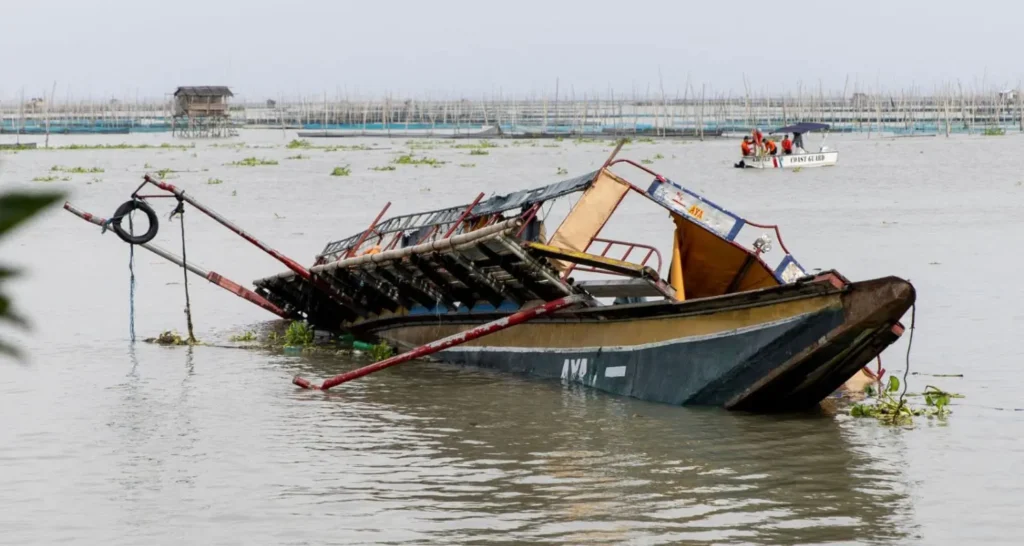
According to reports, the launch was carrying 14 Indian nationals to an offshore tanker when it suddenly overturned. Five people were rescued, while three were confirmed dead and five remain missing. One survivor is undergoing treatment in a hospital in Beira. The accident has shaken both the Indian and maritime communities across Africa.
What Happened?
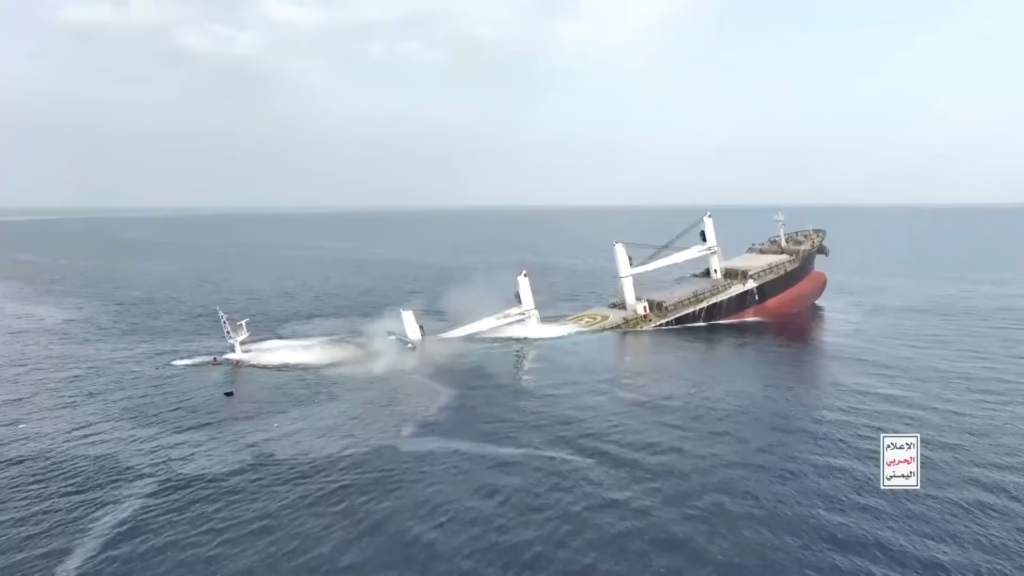
The incident occurred in mid-October 2025, when a small launch carrying crew members attempted to transfer personnel to a larger tanker anchored offshore. The sea reportedly turned rough, and the boat lost stability before capsizing.
Rescue teams, supported by local port authorities and the Indian Mission in Mozambique, immediately began a search and rescue operation. However, despite several hours of effort, five crew members remain unaccounted for.
Possible Causes
Investigations are still ongoing, but experts suggest multiple contributing factors might have caused the tragedy:
- Crew-transfer hazards: Launching in open sea conditions is inherently risky, especially when stability is compromised.
- Overloading or imbalance: A small launch carrying 14 people may have exceeded safe operating capacity.
- Weather and sea conditions: Sudden changes in waves, current, or wind can destabilize smaller vessels.
- Equipment or maintenance failure: The condition of the boat and safety gear is being reviewed.
- Human error: Lack of proper coordination during boarding or transfer may have led to imbalance.
Human and Operational Impact
The loss of three Indian lives and the uncertainty surrounding five missing persons have left families in deep sorrow. The tragedy has once again highlighted the risks faced by seafarers and offshore workers during routine maritime operations.
The accident also underscores the importance of vessel safety inspections, operator training, and adherence to international safety standards. Maritime authorities have called for stronger enforcement of small-craft regulations and better crew-transfer procedures in offshore operations.
Key Safety Lessons for the Maritime Industry
- Risk Assessment Before Transfer: Evaluate weather, sea state, and vessel condition before every transfer.
- Adequate Boat Stability: Never overload small boats. Ensure load distribution is balanced.
- Personal Safety Gear: Every person on board must wear lifejackets and carry safety equipment.
- Emergency Readiness: Conduct drills for man-overboard and capsize scenarios regularly.
- Proper Communication: Maintain contact between the launch, main vessel, and port authorities during transfers.
- Trained Operators: Only qualified personnel should handle launches and transfer boats in offshore conditions.
Why Such Accidents Still Occur
Despite modern training and technology, crew-transfer accidents continue due to:
- Routine complacency in repetitive tasks.
- Poorly maintained launches or outdated safety gear.
- Weak enforcement of local maritime laws.
- Gaps in training or awareness for contracted crew.
Even minor neglect in safety practices can lead to catastrophic outcomes when operating at sea.
Conclusion
The Mozambique boat accident, where three Indians died and five went missing, serves as a stark reminder that no operation at sea is ever routine. Every transfer, inspection, or offshore task demands discipline, preparation, and respect for safety procedures.
For the global maritime community, this tragedy must drive stronger training programs, vessel inspections, and emergency-response systems to prevent future losses. Safety at sea can never be compromised — lives depend on it.
Disclaimer:This article is based on official and media reports available as of October 2025. Investigations are ongoing, and further updates may change details.