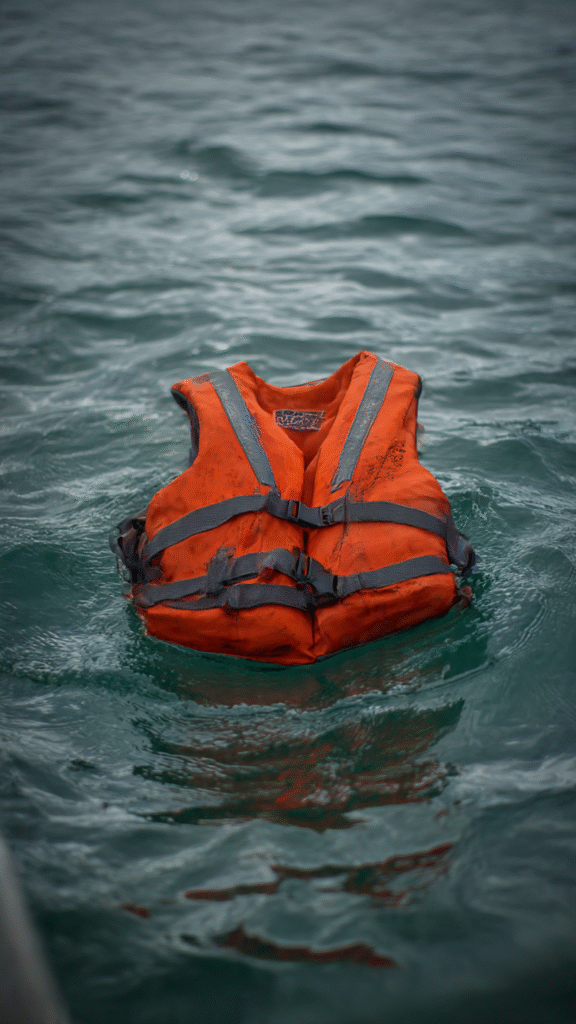
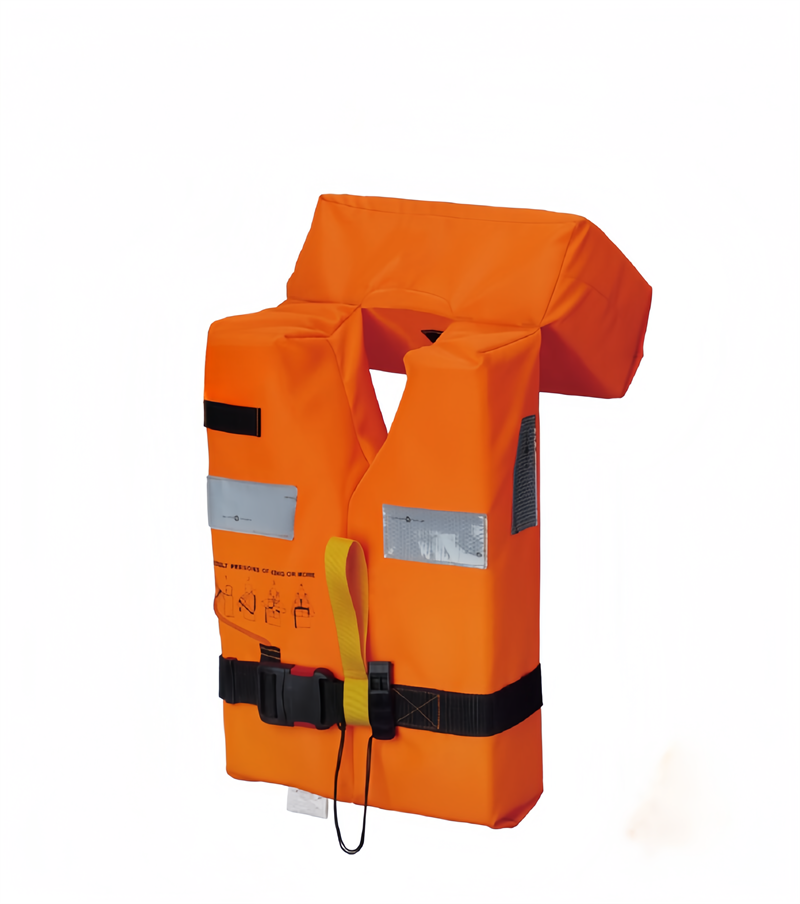
The Life Jacket Onboard Ship is one of the most vital life-saving appliances (LSA) required under the SOLAS (Safety of Life at Sea) Convention. It ensures the safety of every person at sea by providing buoyancy and keeping the wearer’s head above water in emergencies such as abandon-ship situations or accidental falls overboard.
As per SOLAS Chapter III, every vessel must carry life jackets that meet specific performance standards defined by the IMO (International Maritime Organization).
⚓ Purpose of a Life Jacket Onboard Ship
The primary purpose of a life jacket is to keep a person afloat in water and maintain their body position so that the mouth and nose remain clear of the sea surface. It provides enough buoyancy to turn an unconscious person face-up within seconds.
During an emergency, a life jacket ensures survival until rescue operations are completed.
📜 SOLAS Requirements for Life Jackets
According to SOLAS Chapter III, Regulation 7.2 and 10.1, and the LSA Code Section II, life jackets onboard ships must meet the following detailed requirements:
1. Number of Life Jackets
- Every person onboard must have one life jacket in an accessible location near their cabin.
- Additional life jackets must be provided:
- At muster stations.
- Near lifeboats and life rafts.
- For watchkeepers on bridge and engine room.
- For infants and children, properly sized child life jackets must be available in proportion to the number of children carried.
2. Design and Construction
- Life jackets must be made of inherently buoyant material or inflatable type approved by the administration.
- They should not sustain burning or continue melting after exposure to fire for more than 2 seconds.
- The design should allow easy donning within one minute without assistance.
- Each life jacket must turn an unconscious person face-up within five seconds.
- It must support a minimum of 7.5 kg of iron in fresh water for 24 hours.
- Color must be highly visible (orange, red, or yellow) and fitted with retro-reflective tapes for visibility at night.
3. Accessories and Markings
Every SOLAS-approved life jacket must be fitted with:
- Whistle: For attracting attention.
- Life Jacket Light: A waterproof, automatic light that activates on contact with water and burns for at least 8 hours.
- Reflective Tape: For enhanced visibility in searchlights.
- Buddy Line: To link survivors together.
- Markings: Showing ship’s name, manufacturer, type, approval number, and size (Adult/Child/Infant).
4. Performance Standards (as per LSA Code)
The LSA Code, Chapter II, outlines performance standards for life jackets:
- They must lift the mouth of the wearer at least 120 mm above the water.
- They should allow a person to swim and board a survival craft easily.
- The life jacket must not impede movement or rescue actions.
- It should function effectively even when wet or damaged.
- If inflatable, it must inflate within 5 seconds using CO₂ cartridges or manual inflation tubes.
5. Storage of Life Jackets
- Life jackets should be stored in dry, accessible, and clearly marked lockers.
- They must be kept ready for immediate use during emergencies.
- Storage locations must have photoluminescent or illuminated signs showing the life jacket symbol.
- Crew must be able to don and distribute all life jackets within five minutes of an abandon-ship alarm.
🧍♂️ Types of Life Jackets Onboard Ship
- Foam Type (Inherently Buoyant):
Common on cargo ships; made of foam material providing permanent buoyancy. - Inflatable Type:
Found on passenger ships and bridge wings; activated manually or automatically when submerged. - Child and Infant Life Jackets:
Smaller in size and with additional straps to ensure proper fit and buoyancy. - Work or SOLAS-Compliant Life Jackets:
Worn by crew working near water; often combined with harness systems.
🛠️ Maintenance and Inspection of Life Jackets
Regular inspection and maintenance are essential to ensure readiness:
- Inspect every three months or as per the ship’s Safety Management System (SMS).
- Check whistle, light, tapes, and straps for wear or damage.
- Ensure inflation cylinders (for inflatable types) are properly secured and functional.
- Conduct donning drills during abandon-ship exercises.
- Record inspections in the LSA Maintenance Log.
🚨 Crew Training and Familiarization
Every seafarer must:
- Know the location of their assigned life jacket.
- Be able to don it within one minute without help.
- Understand how to assist passengers in donning life jackets during emergencies.
SOLAS also requires muster drills to ensure every person onboard can use a life jacket correctly.
⚠️ Why Life Jackets Are Critical
Statistics show that most drowning victims were not wearing life jackets.
A properly fitted and maintained Life Jacket Onboard Ship significantly improves survival chances.
It not only provides buoyancy but also prevents panic by giving the wearer a sense of security while waiting for rescue.
✅ Conclusion
The Life Jacket Onboard Ship as per SOLAS is a mandatory life-saving appliance that every ship must carry and maintain in perfect condition. By following SOLAS Chapter III and LSA Code standards, seafarers ensure that they are always ready for emergencies. Remember — the life jacket is not just equipment; it’s a lifeline at sea.
⚠️ Disclaimer:This article is for educational and informational purposes only. Always follow the latest SOLAS and IMO regulations for official compliance.