Introduction
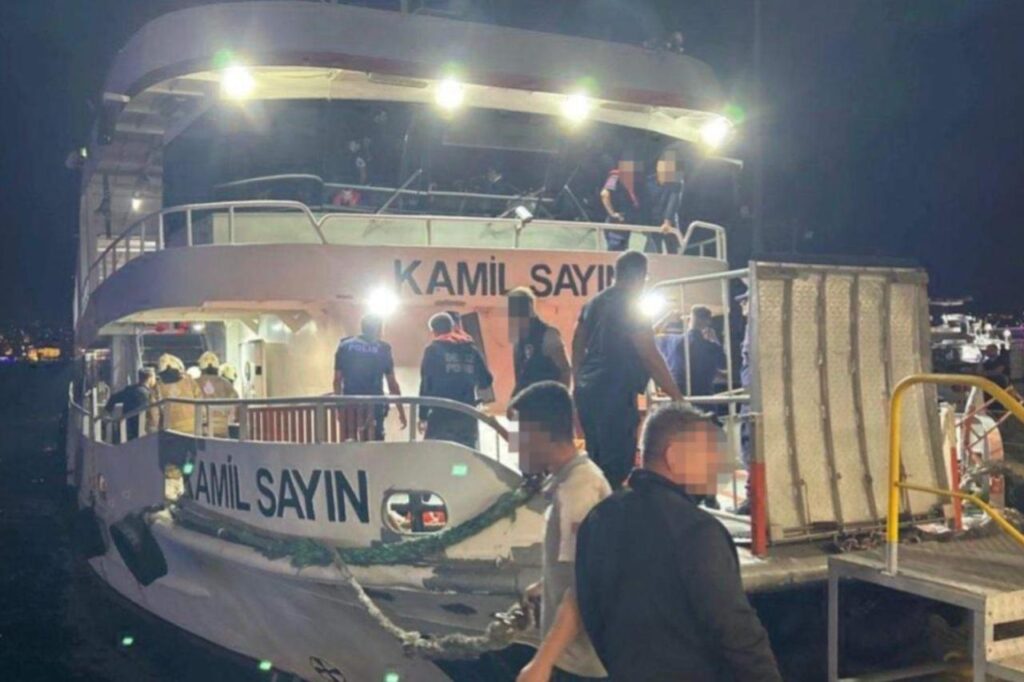
On 3 October 2025, a passenger ferry collided with a cargo vessel in the Bosphorus Strait, Istanbul, Turkey. The accident left 12 passengers injured, though none critically. The collision has raised questions about navigation safety in one of the world’s busiest waterways, highlighting the importance of maritime regulations and vigilance in congested channels.
This blog explains the incident, its impact, probable causes, and lessons for safer maritime operations.
Incident Overview
Details of the Collision
The ferry, carrying approximately 80 passengers, was traveling from Kadıköy to Eminönü when it collided with a cargo ship transporting general goods. The collision occurred near the narrowest section of the Bosphorus, where heavy traffic and limited maneuvering space make navigation challenging.
The ferry sustained moderate damage, including dented hull sections and minor structural issues. The cargo vessel experienced slight damage to its bow.
Injuries and Rescue Efforts
Local maritime authorities, coast guard, and emergency services responded promptly. Twelve passengers received medical treatment for minor injuries, including bruises and cuts. Others were evacuated safely, and no fatalities occurred. The quick response minimized further risk and ensured passenger safety.
Probable Causes
- Heavy Traffic Conditions
The Bosphorus Strait sees constant maritime traffic, including ferries, cargo ships, and private vessels. Congestion may have contributed to misjudgment or delayed maneuvering. - Limited Navigation Space
Certain sections of the strait are narrow, reducing the time available for evasive actions. - Human Error
Preliminary reports suggest that a combination of miscommunication and delayed reaction between the ferry and cargo vessel crews could have led to the collision. - Environmental Factors
Strong currents, wind, and limited visibility may have made steering more difficult at the time of the incident.
Impact
Passenger Safety
All injured passengers were treated and discharged from hospitals. However, the incident caused panic among passengers and highlighted the need for improved ferry safety measures.
Vessel and Operational Disruption
The ferry temporarily stopped service for repairs and inspection. Cargo operations in the Bosphorus experienced minor delays, as maritime authorities temporarily regulated traffic in the area.
Economic and Regulatory Concerns
Collisions in busy straits like the Bosphorus affect trade, ferry schedules, and can result in compensation claims. Authorities may increase safety inspections and enforce stricter regulations on vessel speed and navigation.
Lessons Learned and Recommendations
- Enhanced Traffic Management
Authorities should use real-time monitoring and scheduling to avoid vessel congestion in narrow waterways. - Crew Training
Regular safety drills and navigational training can reduce human error during high-traffic situations. - Communication Protocols
Clear communication between vessels, including automatic identification systems (AIS), can prevent collisions. - Emergency Preparedness
Ferries should ensure life jackets, medical kits, and emergency evacuation procedures are well-practiced. - Infrastructure Improvements
Implementing additional signaling and designated lanes for cargo and passenger vessels may reduce accidents in congested areas.
Conclusion
The Ferry Collides with Cargo Vessel in the Bosphorus Strait; 12 Passengers Injured incident demonstrates how even minor lapses in navigation can have significant consequences in busy waterways. Thanks to prompt response, injuries were limited, and further damage was avoided. Moving forward, enhanced traffic management, crew training, and communication will be key to ensuring passenger safety and smooth maritime operations in the Bosphorus.
Disclaimer
This article is based on verified information available at the time of writing. It is intended for informational purposes only and is not affiliated with any vessel operators or maritime authorities.