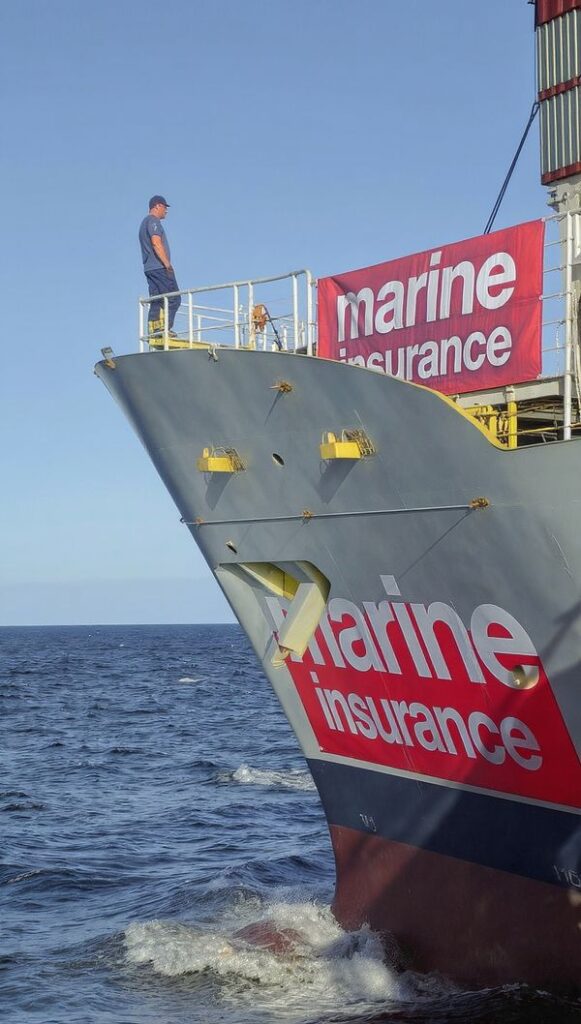
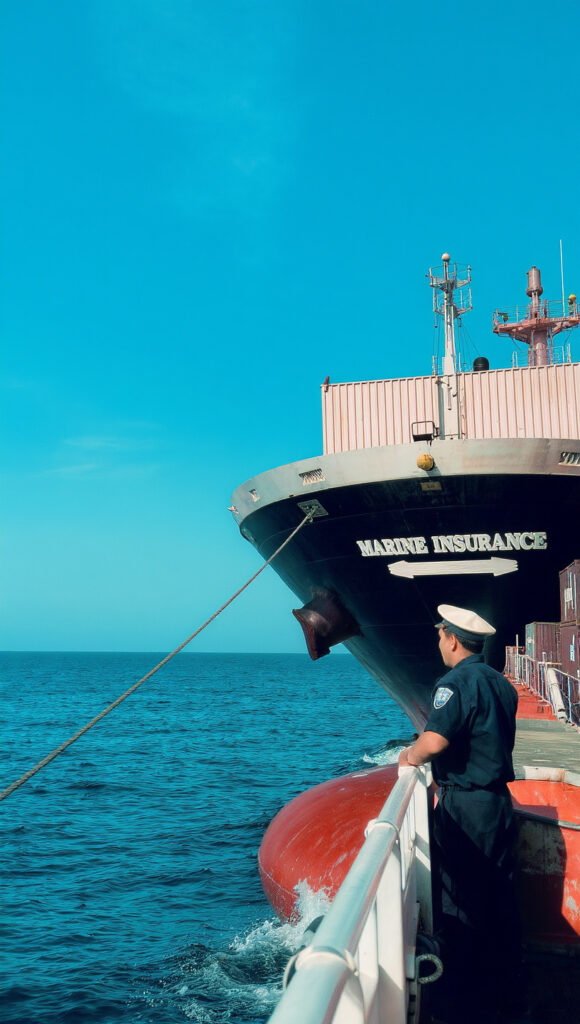
Marine insurance is a crucial pillar of global trade and maritime operations. Every day, goods worth billions are transported across oceans, rivers, and air routes. However, this movement is never risk-free. From natural disasters to piracy, many uncertainties can threaten the safety of ships, cargo, and freight. Marine insurance plays a vital role in protecting businesses and individuals from such losses.
If you’ve been wondering what marine insurance is and why it matters, this blog will walk you through its meaning, importance, advantages, types, and scope.
What is Marine Insurance?
Marine Insurance is a contract between an insurer and a policyholder that provides financial protection against loss or damage to ships, cargo, terminals, and freight during transit. The coverage is not limited to sea voyages; it also extends to air and inland waterways.
Typical risks covered under marine insurance include:
- Natural disasters (storms, cyclones, earthquakes)
- Accidents and collisions
- Piracy and theft
- Fire, explosions, and equipment failure
- War or civil unrest (in special policies)
Why is Marine Insurance Important?
- Risk Mitigation
The shipping industry faces unpredictable risks such as storms, piracy, and machinery breakdowns. Insurance helps reduce the financial burden of these events. - Legal Compliance
Many international maritime laws require vessels and cargo owners to carry valid insurance before entering certain ports or trading zones. - Business Continuity
By covering sudden losses, insurance ensures uninterrupted operations for exporters, importers, and shipping companies.
Advantages of Marine Insurance
- Protection Against Losses
Covers total or partial loss of vessels, cargo, and freight charges. This protection is essential for businesses that depend on timely delivery of goods. - Customisation Options
Policies can be tailored to specific needs. For example:- Adding war risk coverage for conflict zones.
- Insuring high-value items or specialised machinery.
- Covering liabilities for environmental pollution or collisions.
- Covers General Average
When a ship’s cargo is deliberately sacrificed to save the vessel, insurance covers the policyholder’s share of the loss. - Peace of Mind
With insured assets, companies can focus on operations and growth rather than worrying about unexpected risks. - Encourages Safety Measures
Since businesses know their risks, they adopt better safety and operational standards, which reduces accidents in the long run.
Types of Marine Insurance
- Hull Insurance
- Covers the ship’s structure, machinery, and equipment.
- Protects shipowners against collisions, accidents, and natural disasters.
- Cargo Insurance
- Protects goods transported by sea, air, or inland waterways.
- Covers theft, damage, or loss during transit.
- Often purchased by exporters, importers, or freight operators.
- Freight Insurance
- Protects shipping companies from loss of freight charges if goods are lost or damaged.
- Liability Insurance
- Covers third-party claims, such as damage to another vessel, crew injuries, or pollution.
- Port and Terminal Insurance
- Covers equipment, assets, and liabilities of port or terminal operators.
Scope of Marine Insurance
The scope of marine insurance is wide, covering nearly all aspects of maritime trade:
- Goods in Transit
- International cargo (import/export)
- Domestic transit via inland waterways
- Air transit for international shipping
- Protection of Ships
- Hull and machinery insurance
- Collision liability
- Machinery breakdowns
- Liability Coverage
- Third-party liabilities
- Environmental pollution claims (oil spills, hazardous material release)
- Passenger and crew claims
- Extraordinary Risks
- War risk insurance for losses due to war, terrorism, or unrest.
- Piracy coverage, protecting against hijackings or ransom losses.
Conclusion
Marine Insurance is more than just a legal formality—it is a lifeline for global trade. By providing protection against unpredictable maritime risks, it ensures financial stability and business continuity for shipowners, exporters, importers, and traders.
Whether you are managing a fleet, shipping cargo, or operating a port, understanding marine insurance is essential for protecting your investments.
✅ Disclaimer:
This blog is for educational purposes only. Readers should consult certified insurance providers or maritime authorities for official guidance.
Pingback: CargoShip with Dutch flag was attacked near Aden in Yemen - Jhazi Bhaiya G