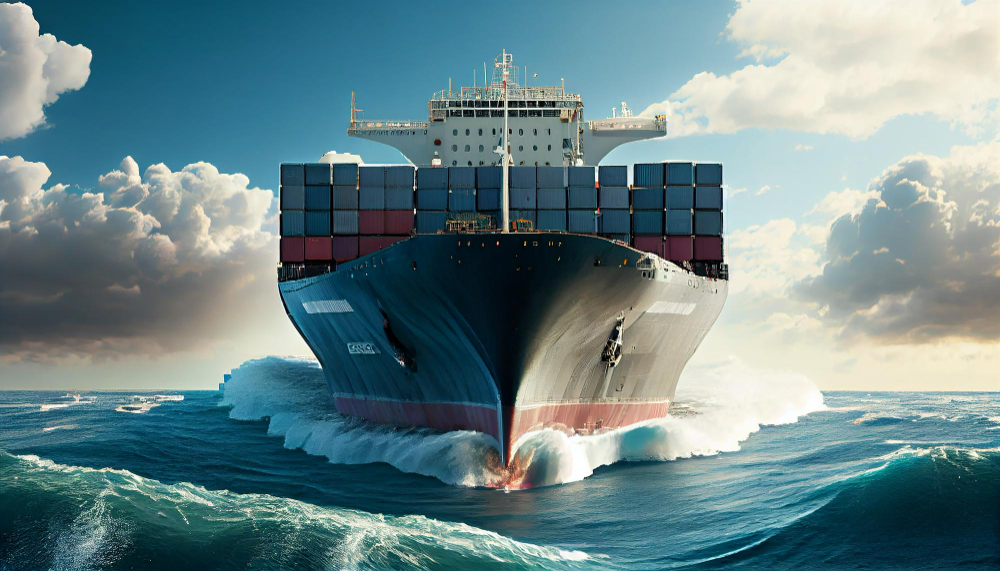
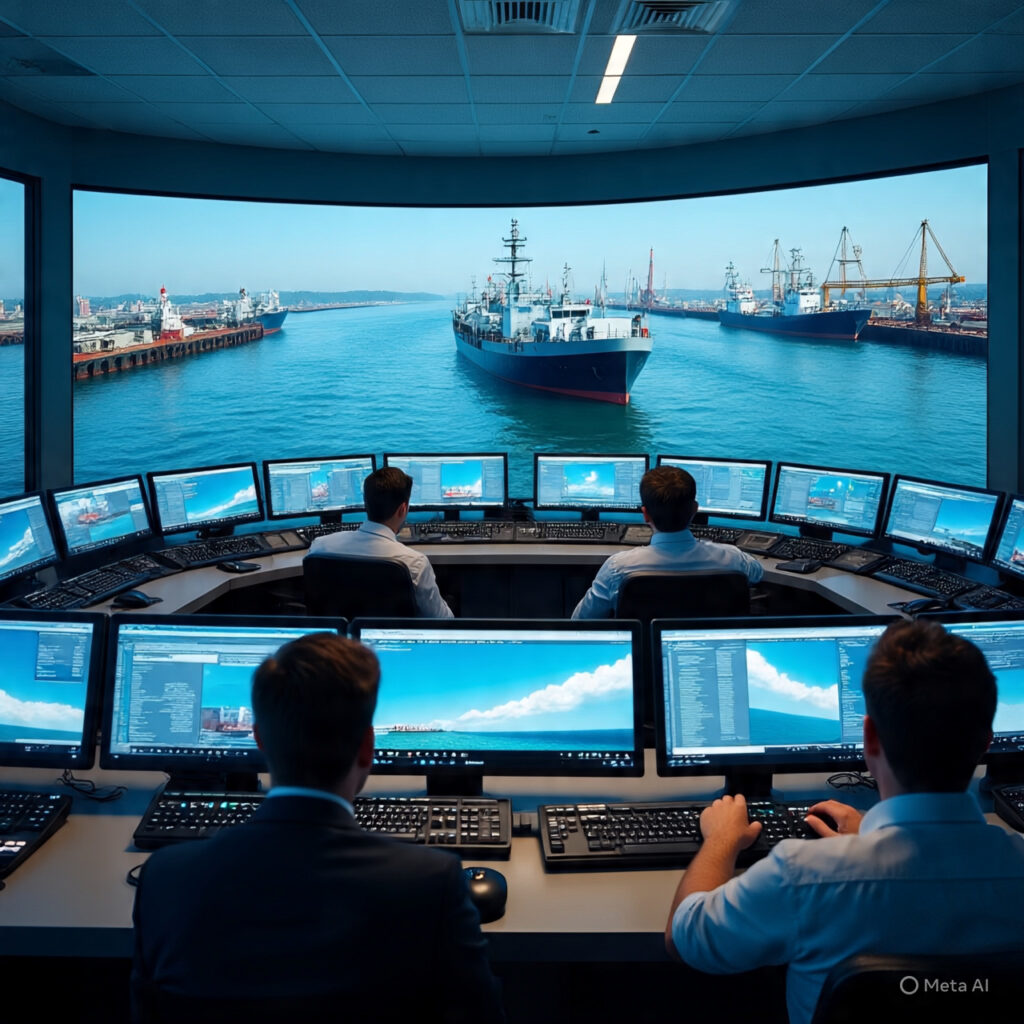
Shipping lanes across the world are busier than ever. From massive container ships to fishing vessels and passenger ferries, thousands of ships move through critical waterways every day. With such heavy traffic, safety, efficiency, and environmental protection become essential. That is where Vessel Traffic Services (VTS) come in.

Understanding Vessel Traffic Services (VTS)
Vessel Traffic Services (VTS) are shore-based systems that monitor and manage ship movements in busy ports, harbors, and coastal areas. They work like air traffic control for the sea, providing real-time information, advice, and navigation assistance to vessels.
The main goal of VTS is to enhance maritime safety, protect the environment, and ensure efficient traffic flow in areas where ship congestion or risks are high.
Functions of Vessel Traffic Services
- Information Service (INS):
VTS provides vessels with essential information such as traffic reports, weather updates, navigational hazards, and the condition of port facilities. - Navigational Assistance Service (NAS):
In case of difficult weather, reduced visibility, or emergencies, VTS can guide ships to maneuver safely using radar, AIS (Automatic Identification System), and communication systems. - Traffic Organization Service (TOS):
VTS helps regulate ship movements by organizing traffic flows, scheduling arrivals and departures, and preventing congestion in critical channels and ports.
Key Components of a VTS System
- Radar and AIS Systems: For real-time tracking of ships.
- VHF Communication: To maintain continuous contact with vessels.
- CCTV Surveillance: To monitor port and coastal areas.
- Computerized Control Centers: To process data and provide guidance to ships.
- Trained VTS Operators: Professionals responsible for monitoring and advising vessels.
Why are Vessel Traffic Services Important?
- Maritime Safety: Prevents collisions, groundings, and accidents in busy waterways.
- Environmental Protection: Reduces risks of oil spills and marine pollution by preventing accidents.
- Efficiency: Improves traffic flow and port operations, reducing waiting times for vessels.
- Security: Helps detect suspicious ship movements and supports maritime security operations.
- Emergency Response: Assists in coordinating rescue efforts during distress situations at sea.
International Regulation and Standards
The International Maritime Organization (IMO) has set guidelines for VTS through SOLAS (Safety of Life at Sea) Chapter V. These standards define the responsibilities of coastal states and ensure VTS centers follow common practices worldwide.
Additionally, the IALA (International Association of Marine Aids to Navigation and Lighthouse Authorities) provides technical guidance for VTS design, operation, and training.
Examples of VTS in Action
- Singapore Strait VTS: One of the busiest in the world, handling more than 1,000 vessels daily.
- English Channel VTS: Monitors Europe’s most congested sea route.
- US Coast Guard VTS: Active in ports such as Houston, New York, and San Francisco.
These systems demonstrate how VTS plays a vital role in reducing risks in complex and high-density maritime regions.
Conclusion
Vessel Traffic Services (VTS) are the backbone of safe and efficient navigation in busy waters. By monitoring vessel movements, providing guidance, and organizing traffic, VTS protects lives, property, and the environment. As shipping traffic continues to grow, the importance of VTS in ensuring maritime safety will only increase.
Disclaimer:
This blog is for informational purposes only. Readers should refer to IMO and IALA guidelines for official VTS regulations and standards.