
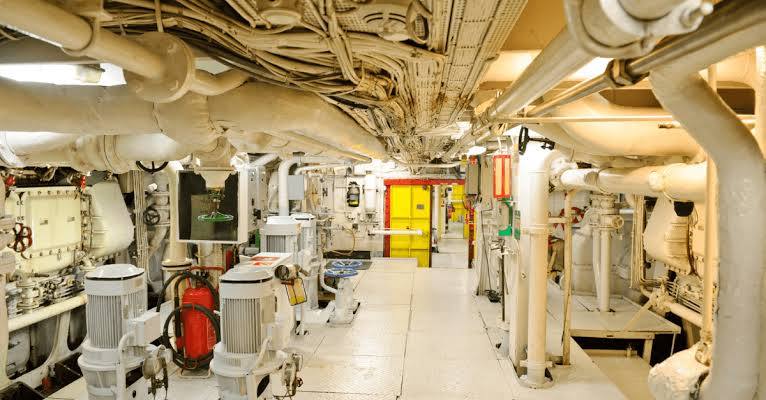
Piracy remains a real threat to merchant shipping in certain regions. The Citadel Anti-Piracy Method on Ships — a hardened safe room where crew can shelter if pirates board — is a simple but powerful last-resort defence that has saved lives and preserved vessels. This blog explains the citadel method in clear, practical terms: what a citadel is, how it’s equipped, how crews should use it, its advantages and limitations, and best practices for implementation.

What is a citadel?
A citadel is a specially designed, reinforced compartment on a ship where the crew can retreat during a piracy attack. It is intended as a secure holding area from which the crew can maintain control of the ship’s essential systems (or at least communications), wait for help, and deny pirates access to the crew. Think of it as a modern-day lifeboat inside the ship: secure, isolated, and equipped to support survival and communication until rescue arrives.
Why use a citadel?
- Preserve life: The primary goal is to keep the crew safe without confronting armed attackers.
- Deny access: By preventing pirates from forcing crew to pilot the ship, citadels help stop hijackings and unlawful diversion.
- Buy time: They provide time for naval forces or other responders to reach the vessel.
- Reduce escalation: Using a citadel reduces the incentive for violent resistance that could endanger lives.
Citadels became widely discussed after a series of high-profile piracy incidents (notably off the Horn of Africa and in parts of West Africa). They complement, but do not replace, other anti-piracy measures such as route planning, lookouts, non-lethal deterrents, and armed security where lawful and appropriate.
Typical citadel features
A well-designed citadel usually includes the following:
- Reinforced structure and door: Heavy duty, tamper-resistant door and internal walls to delay or prevent forced entry.
- Independent communications: Dedicated VHF and satellite phones, and modem links if possible, so the crew can call for help and provide live updates (position, status, injuries).
- Control access to ship systems: Ability to isolate or secure bridge controls, engine controls, and navigation systems so that attackers cannot easily take command of the vessel.
- Battery/UPS power and ventilation: Independent power supply and ventilation to keep the citadel habitable for hours or longer.
- CCTV feed: Cameras that allow the crew to monitor areas outside the citadel without exposing themselves.
- Sanitary and emergency supplies: Water, rations, first-aid kit, torches, blankets, and other survival items for the expected holdout time.
- Fire suppression and alarms: Means to detect smoke or fire and, where possible, suppress it without leaving the safety of the citadel.
- Documentation and procedures: A clearly posted checklist and plan so the entire crew knows their roles.
How to use a citadel — a practical sequence
- Early detection & reporting: Good lookouts and radar/ais monitoring to detect suspicious skiffs early. Immediately notify company and nearby authorities.
- Activate evasive measures: Increase speed if safe, change course, and use other non-lethal deterrents (water cannons, acoustic devices, lighting) to delay boarding.
- If boarded or overrun: The Master decides to order the crew to the citadel. Command and designated crew move quickly and quietly to the citadel with essential items.
- Seal and secure: Lock the door, isolate controls as designed, turn on independent comms, and start the distress procedures (Securite/Mayday, MMSI alerts, LRIT/SafeSeaNet if available).
- Maintain communications: Keep contact with the company, authorities, and naval assets. Provide updates on crew condition and ship position.
- Wait for assistance: The crew remains in the citadel until relieved or given an all-clear by authorized responders.
Advantages of the citadel method
- Life first: Protects crew from direct confrontation with armed attackers.
- Prevents forced navigation: Stopping pirates from accessing bridge/engine controls removes incentive for hijacking.
- Legally defensible: Non-violent defence that aligns with many company policies and national regulations.
- Low cost, high impact: Compared with armed security, a citadel is often less expensive and simpler to maintain.
Limitations and risks
- Not a silver bullet: Citadels are effective only if pirates cannot breach them and if help can reasonably arrive within the crew’s survival window.
- Time to rescue: In remote areas, naval response times can be long. Citadels must therefore be capable of sustaining the crew for extended periods.
- Potential for escalation: Pirates could attempt to force the ship’s systems (e.g., cut power, attempt to flood compartments) or use improvised methods to reach the citadel.
- Maintenance and training: A citadel only works when properly designed, regularly tested, and correctly used under stress.
- Regulatory and insurance considerations: Shipowners should check flag state and insurance requirements; some insurers and flags have specific rules about citadel design and documentation.
Best practices for shipowners and masters
- Design to standard: Follow industry guidance (e.g., BIMCO, IMB, and flag state recommendations) when planning and installing citadels.
- Pre-planning: Decide citadel location, escape routes, and control isolation methods before entering high-risk areas.
- Training and drills: Regular, realistic drills for all crew so everyone knows the route, role, and checklist under stress.
- Redundancy: Provide multiple, independent comms and power sources; test them frequently.
- Clear procedures: Maintain a written anti-piracy plan that integrates citadel use with reporting, evasive actions, and post-incident debriefs.
- Liaise with authorities: Ensure company and master know how to contact regional naval coordinators and the nearest coastguard.
- Record keeping: Log drills, maintenance, and equipment tests to support insurance and regulatory inspections.
Realities at sea — judgement matters
A citadel is a last-resort measure, not a first option. The Master must constantly judge: can evasive action prevent boarding? Is the citadel accessible to the entire crew quickly? Is help likely to arrive within a safe window? Those practical decisions—backed by training, maintenance, and good communication—determine whether a citadel strategy will save lives.
Conclusion
The citadel anti-piracy method is a straightforward, effective survival tool when used correctly. It protects lives, reduces the risk of hijack, and complements other anti-piracy measures. However, like all safety systems at sea, its success depends on good design, regular maintenance, realistic training, and clear procedures. Ships operating in high-risk waters should treat the citadel not as an afterthought, but as an integral part of their safety and security planning.
Disclaimer:
This blog provides general information and not legal advice. Shipowners and masters must follow flag-state rules, company policy, and regional guidance when planning and using citadels.



Pingback: Deepest Oceans in the World - Jhazi Bhaiya G