BLOGS
Welcome to our Blog Feed, your trusted space for fresh updates, informative articles, and meaningful insights from the maritime world. Here, we share the latest shipping news, marine safety guides, seafarer awareness topics, regulatory updates, and industry trends that matter to you. Whether you’re a seafarer, a student, a maritime professional, or someone who loves the ocean, this feed brings you authentic and well-researched content. Stay connected, stay updated, and explore a wide range of blogs crafted to inform, educate, and inspire everyone in the shipping and marine community.
- Ex-Merchant Navy Officer Arrested In Cyber Slavery Racket Sending Indians To Cambodia And Thailand
 Cyber Slavery Racket Exposed In India A major cyber slavery racket has shocked India after police arrested an ex-merchant navy officer for allegedly sending Indians to Cambodia and Thailand through fake job offers. The accused reportedly trapped youngsters in cyber scam centres and forced them to commit online fraud. Police identified the accused as Nagesh… Read more: Ex-Merchant Navy Officer Arrested In Cyber Slavery Racket Sending Indians To Cambodia And Thailand
 - Indian Merchant Navy Officer Manish Dwivedi Goes Missing After May 7 Disappearance.
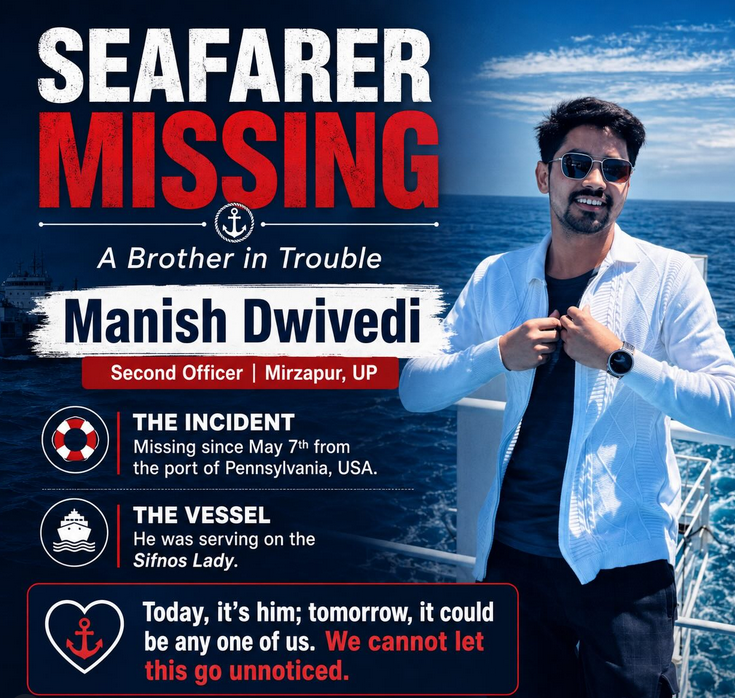 Indian Merchant Navy officer Manish Dwivedi has gone missing after he was last seen on May 7, 2026, at a port in the United States. The case has raised concern among his family, friends, and the maritime community. Manish Dwivedi belongs to Mirzapur district in Uttar Pradesh. He worked as a Second Officer on the… Read more: Indian Merchant Navy Officer Manish Dwivedi Goes Missing After May 7 Disappearance.
 - Merchant Navy Officer From Rajasthan On Vessel Seized By Iran
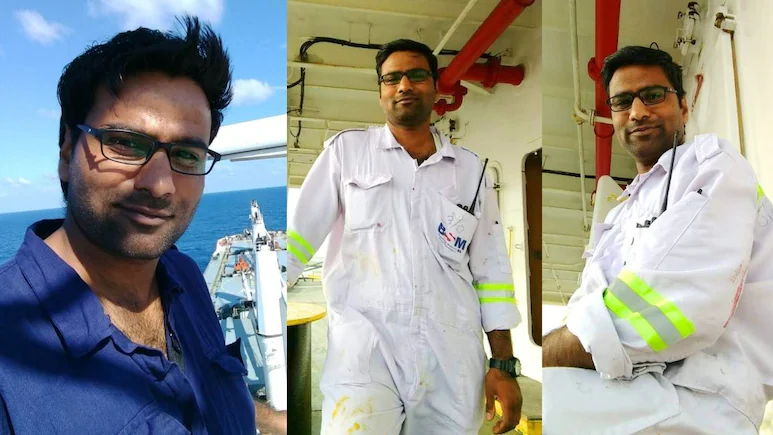 Merchant Navy Officer From Rajasthan On Vessel Seized By Iran became a major headline after Iranian forces reportedly intercepted an India-bound container vessel carrying multinational crew members. A Merchant Navy officer from Rajasthan was also onboard the ship. The incident raised serious concerns across India’s maritime sector and renewed fears about the safety of commercial… Read more: Merchant Navy Officer From Rajasthan On Vessel Seized By Iran
 - Two Indian Tankers Shot By Iran Navy
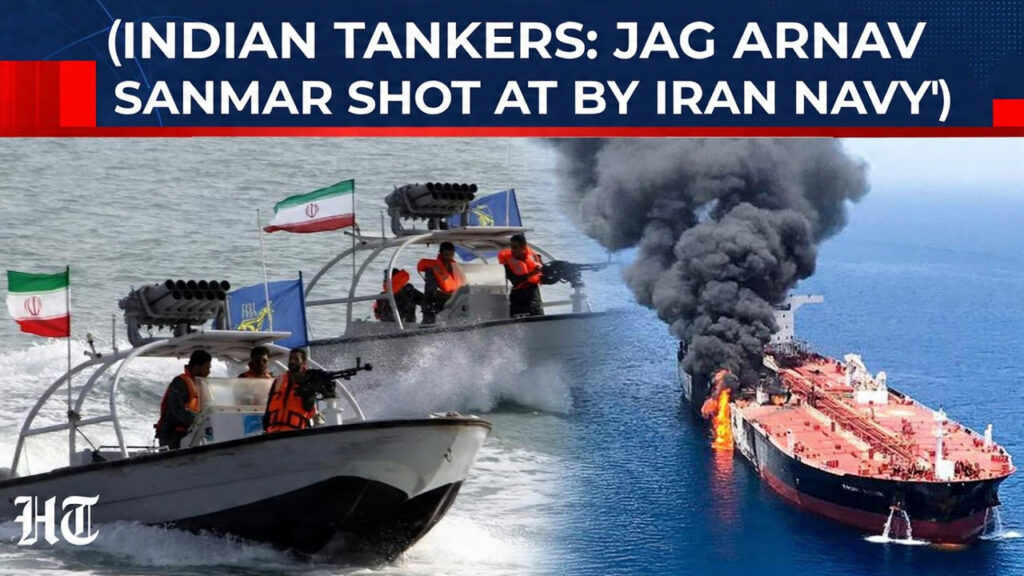 Tensions in the Middle East escalated sharply after Two Indian Tankers Shot By Iran Navy in the strategic Strait of Hormuz. The two Indian-linked vessels — Jag Arnav and Sanmar Herald — reportedly came under gunfire from Iranian naval forces while transiting the narrow waterway. The incident has triggered global concern over maritime security and… Read more: Two Indian Tankers Shot By Iran Navy
 - Indian Captain Killed, Iran Attacks Oil Tanker in Oman
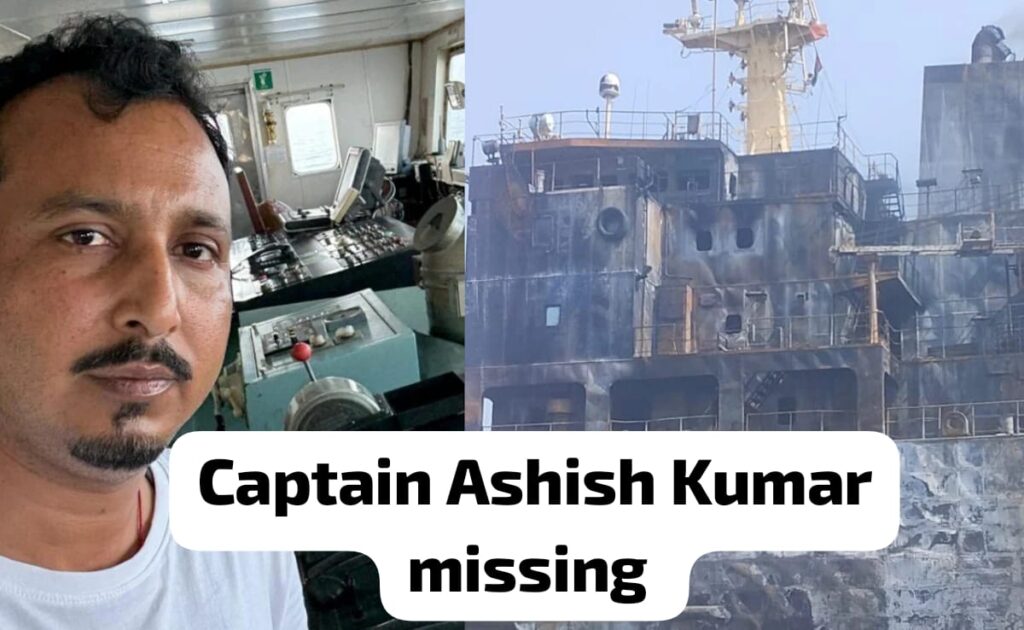 Introduction Indian Captain Killed, Iran Attacks Oil Tanker in Oman has become one of the most shocking maritime incidents during the ongoing tensions in the Middle East. The oil tanker MT Skylight was attacked near the coast of Oman, close to the strategic Strait of Hormuz. The attack resulted in the tragic death of Captain… Read more: Indian Captain Killed, Iran Attacks Oil Tanker in Oman
 - Cargo Ship Mayuree Naree Attacked in the Strait of Hormuz.
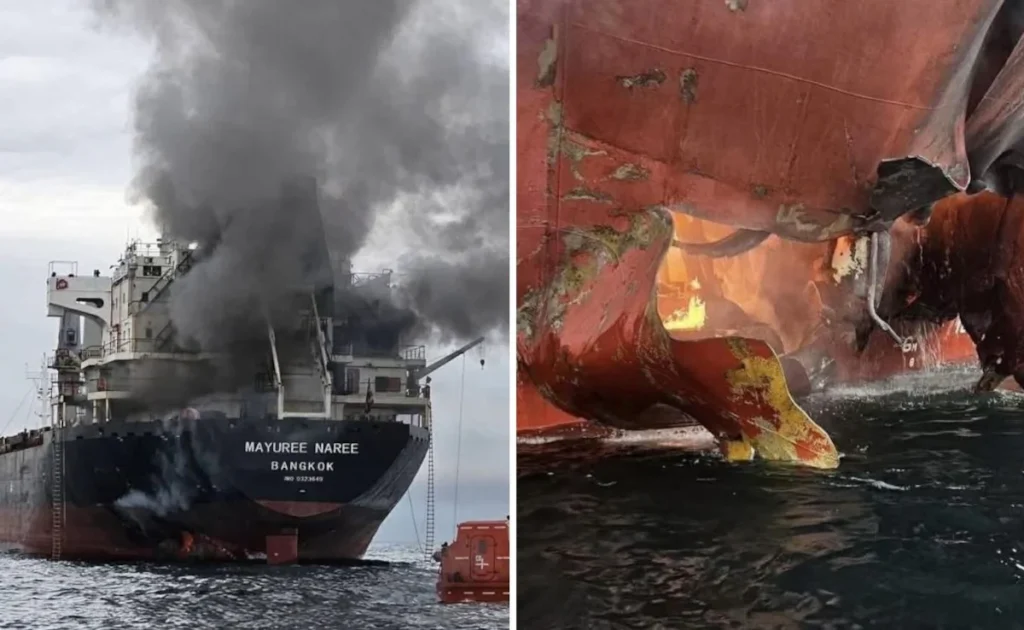 Introduction Cargo Ship Mayuree Naree Attacked in the Strait of Hormuz quickly became a major maritime security incident in March 2026. The Thai-flagged bulk carrier MV Mayuree Naree came under attack while sailing through the strategic Strait of Hormuz. As a result, global attention shifted toward the safety of commercial shipping in the region. Moreover,… Read more: Cargo Ship Mayuree Naree Attacked in the Strait of Hormuz.
 - Strait of Hormuz Crisis
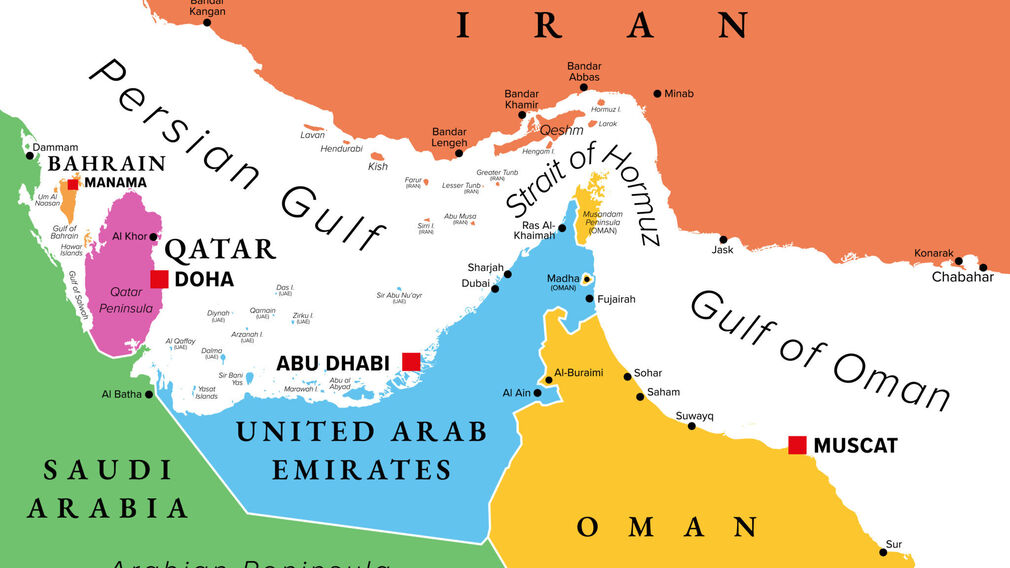 Introduction The Strait of Hormuz, one of the most critical maritime chokepoints in the world, has become the center of global attention after the escalation of the Iran–Israel War 2026. This growing conflict has triggered what many analysts are calling the Strait of Hormuz Crisis, raising serious concerns about global energy security and maritime trade.… Read more: Strait of Hormuz Crisis
 - Happy New Year at Sea
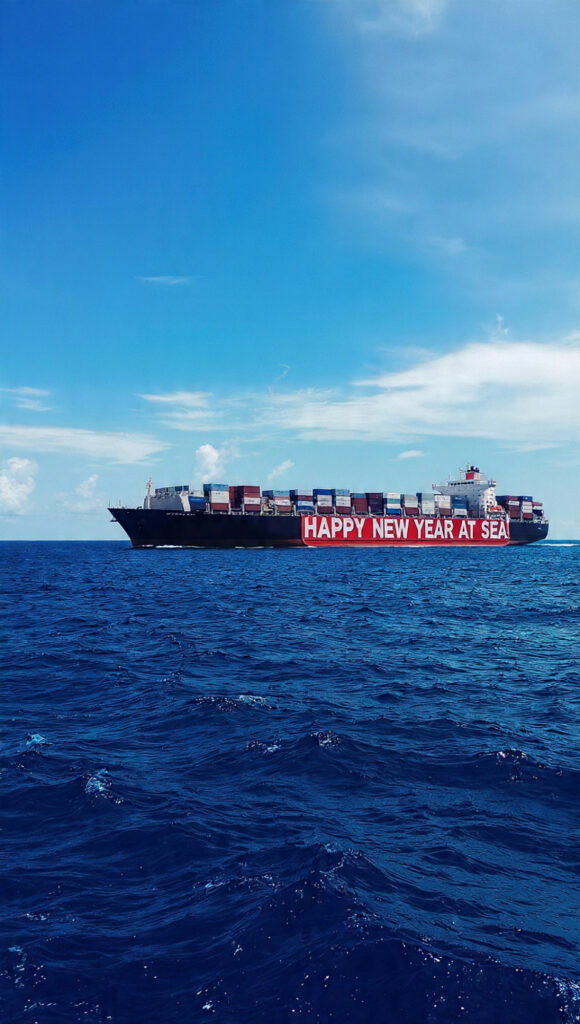 Celebrating a Happy New Year at sea is a unique experience that only seafarers truly understand. While the world on shore welcomes the new year with fireworks, family gatherings, and celebrations, thousands of sailors greet the new year from the deck of a ship, surrounded by endless water and distant stars. Yet, despite the isolation,… Read more: Happy New Year at Sea
 - ARPA (Automatic Radar Plotting Aid)
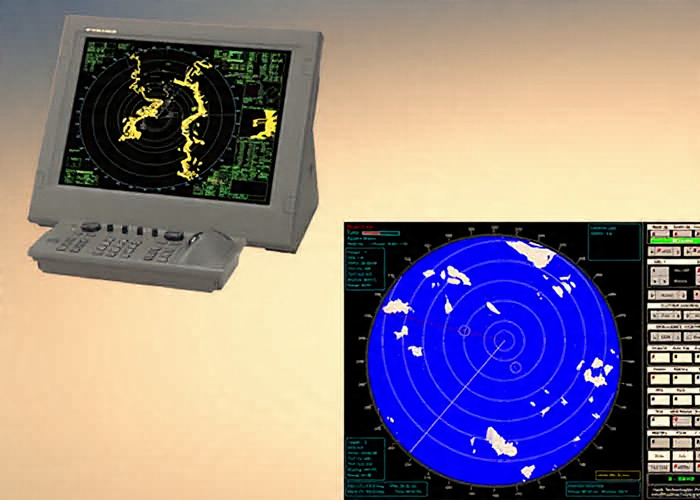 Safe navigation at sea depends heavily on the ability to detect and avoid other vessels. To support navigators, modern ships use ARPA (Automatic Radar Plotting Aid). ARPA is an advanced radar-based system that automatically tracks targets and helps officers assess collision risks. Understanding how ARPA works and why it is important is essential for every… Read more: ARPA (Automatic Radar Plotting Aid)
 - Performance Standards of ECDIS
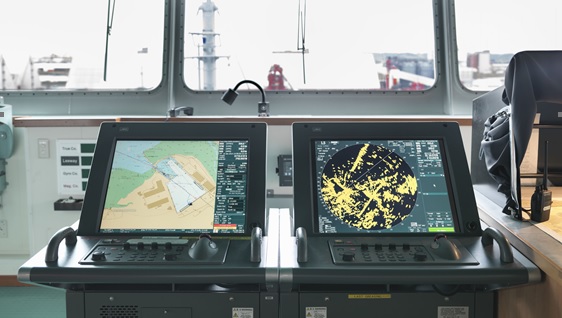 Performance Standards of ECDIS 1. Use of Official Electronic Navigational Charts (ENCs) ECDIS must use official ENCs approved by hydrographic authorities. 🔹 Simple meaning:Only government-approved digital charts can be used for navigation. 2. Accurate Ship Position Display ECDIS must show the ship’s position accurately using GPS or other sensors. 🔹 Simple meaning:The ship’s location on… Read more: Performance Standards of ECDIS
 - Performance Standards of AIS
 The Automatic Identification System (AIS) is an important navigational safety tool used on ships to exchange information automatically. It helps vessels identify each other, avoid collisions, and improve situational awareness. To ensure that AIS works correctly on all ships worldwide, the International Maritime Organization (IMO) has defined specific performance standards. Understanding the performance standard of… Read more: Performance Standards of AIS
 - STW and SOG at Sea
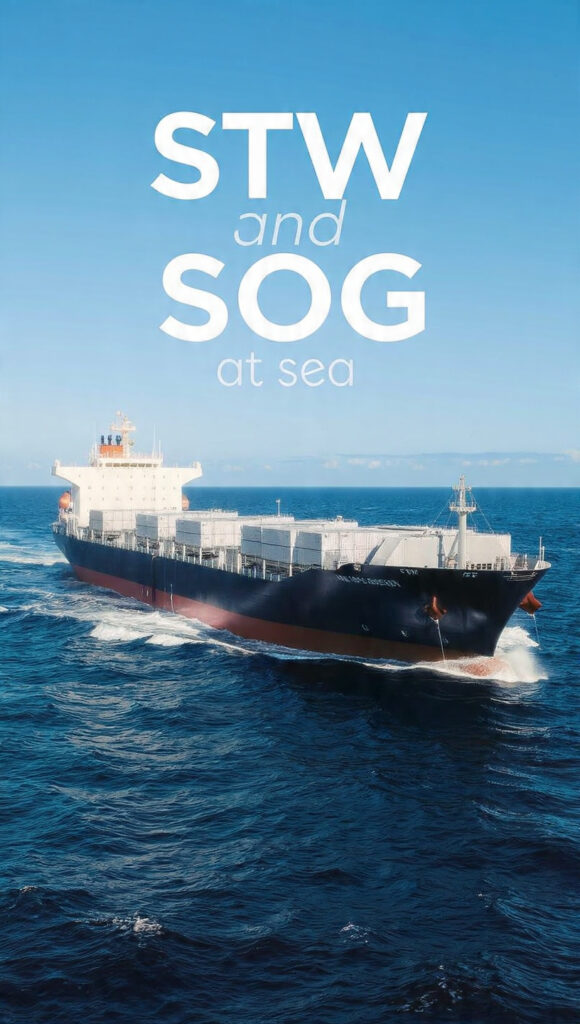 Accurate speed information is vital for safe ship navigation and efficient voyage planning. At sea, officers commonly use two speed values: STW (Speed Through Water) and SOG (Speed Over Ground). Although both indicate ship speed, they measure movement in different ways. Therefore, understanding STW and SOG at sea is essential for navigators, engineers, and maritime… Read more: STW and SOG at Sea
 - ITF Condemns Black Sea Vessel Attacks
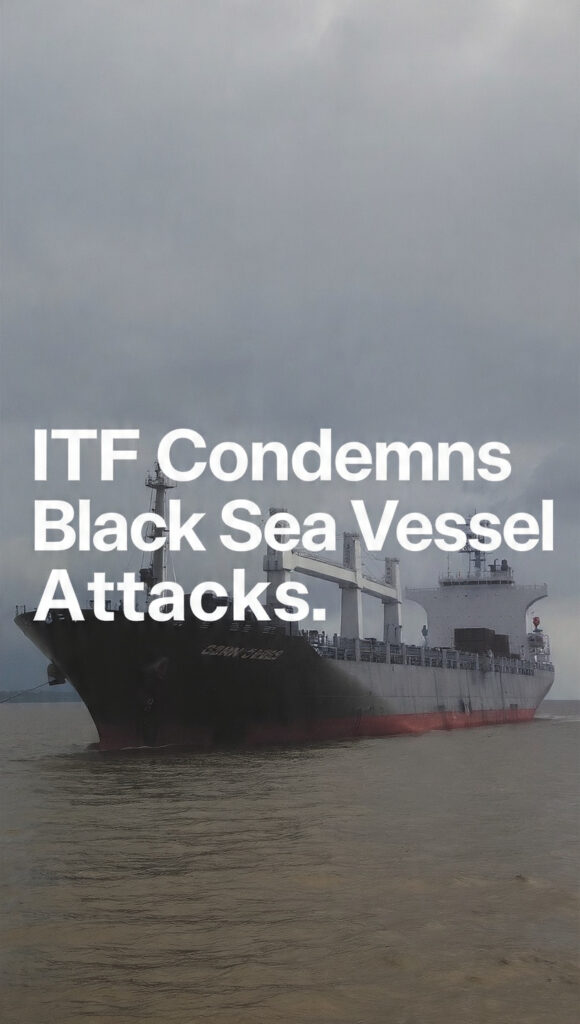 800 × 496 The International Transport Workers’ Federation (ITF Condemns Black Sea Vessel Attacks) and has issued a strong warning over the growing dangers faced by civilian seafarers in the region. Recently, attacks on commercial vessels operating in the Black Sea have intensified. As a result, seafarers now face serious safety risks while performing their… Read more: ITF Condemns Black Sea Vessel Attacks
 - Gyro Compass on Ships
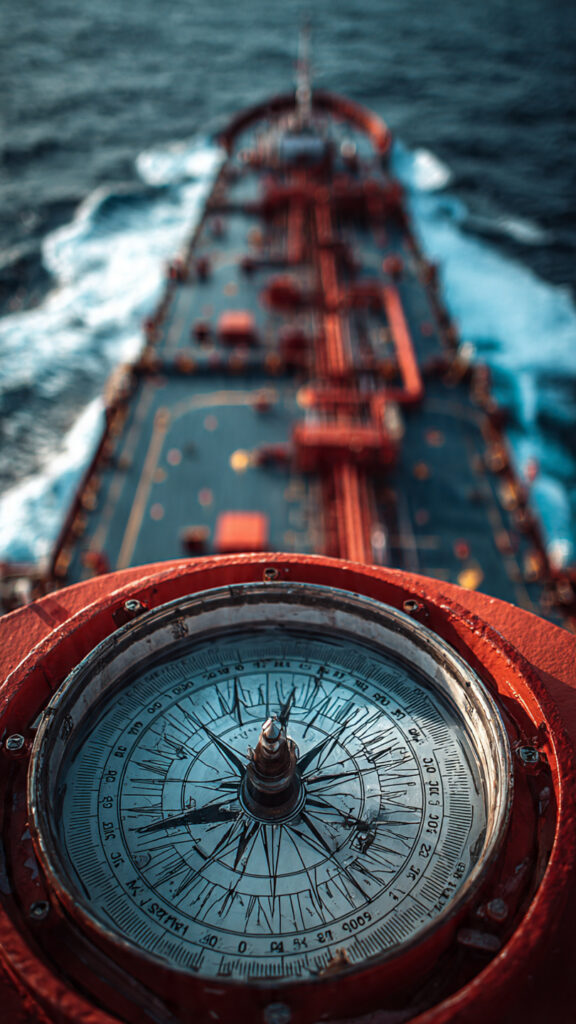 Navigation at sea demands accuracy, reliability, and continuous performance. Among the many navigational instruments used on modern ships, the gyro compass stands out as one of the most essential. It provides a stable and true directional reference, helping ships maintain safe courses even in challenging conditions. In this guide, we will explore everything you need… Read more: Gyro Compass on Ships
 - Difference Between Consignor & Consignee in Shipping
 Understanding the Difference Between Consignor & Consignee in Shipping is essential for anyone involved in logistics, freight transport, or international trade. These two terms may sound similar, but their roles, responsibilities, and legal importance in the shipping process are completely different. Who is a Consignor? A Consignor is the sender or shipper of the goods.This… Read more: Difference Between Consignor & Consignee in Shipping
 - What is Ocean Freight
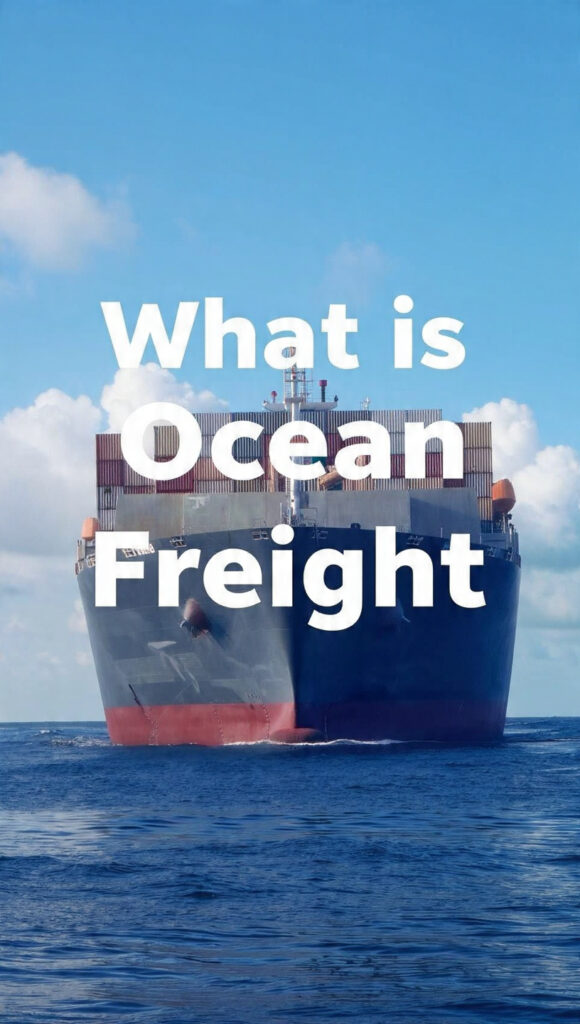 Global trade relies heavily on sea transport, and understanding what is ocean freight helps you see how goods move across continents. Ocean freight remains the backbone of international logistics because it allows businesses to transport large volumes of cargo economically and efficiently. As a result, companies of all sizes prefer it for long-distance trading. In… Read more: What is Ocean Freight
 - What is a Safety Committee on Ships
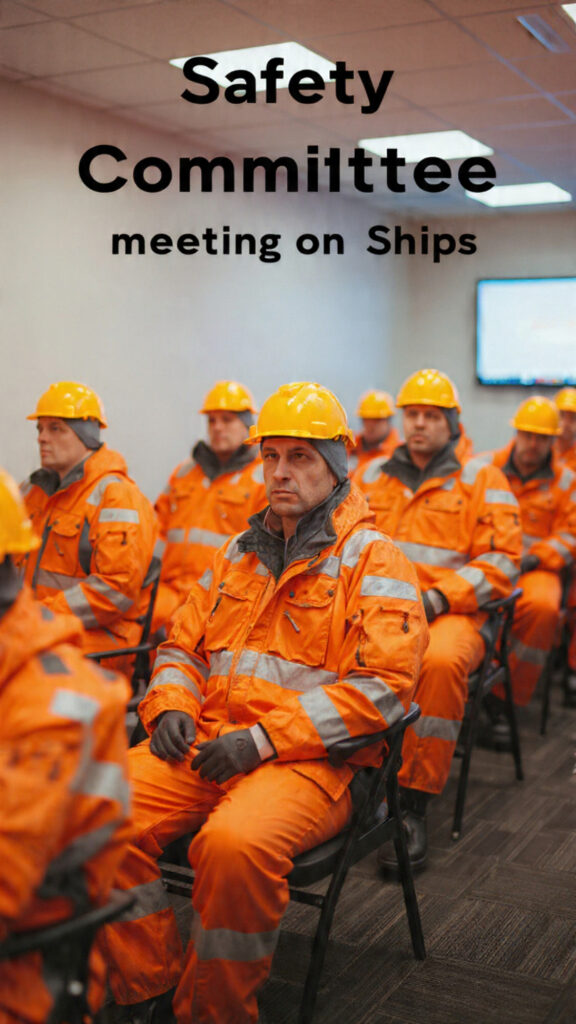 Shipping is a demanding industry where safety must always come first, both for the crew and the vessel. Understanding What is a Safety Committee on Ships is essential because this team plays a major role in maintaining safety standards, preventing accidents, and promoting a strong safety culture onboard. The Safety Committee ensures that risks are… Read more: What is a Safety Committee on Ships
 - Maritime Lawyer: Job Description
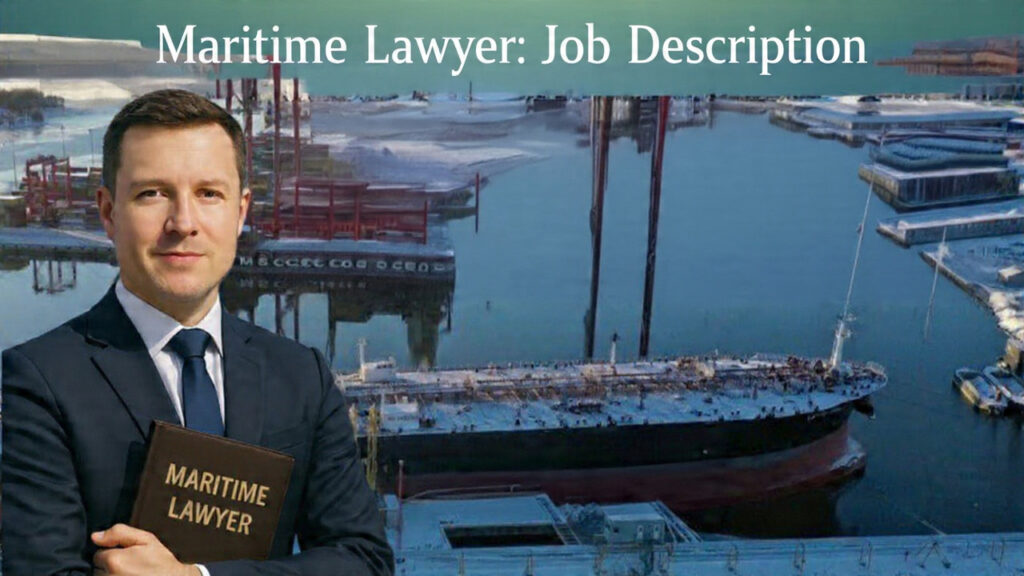 The maritime industry handles global trade daily, creating legal challenges that require expert guidance. A Maritime Lawyer: Job Description focuses on explaining the vital role these legal professionals play in resolving disputes related to shipping, seafarers’ rights, marine accidents, and international regulations. Their expertise ensures smooth maritime operations and protects the interests of shipowners, cargo… Read more: Maritime Lawyer: Job Description
 - Difference Between Salvage, Towage & Pilotage
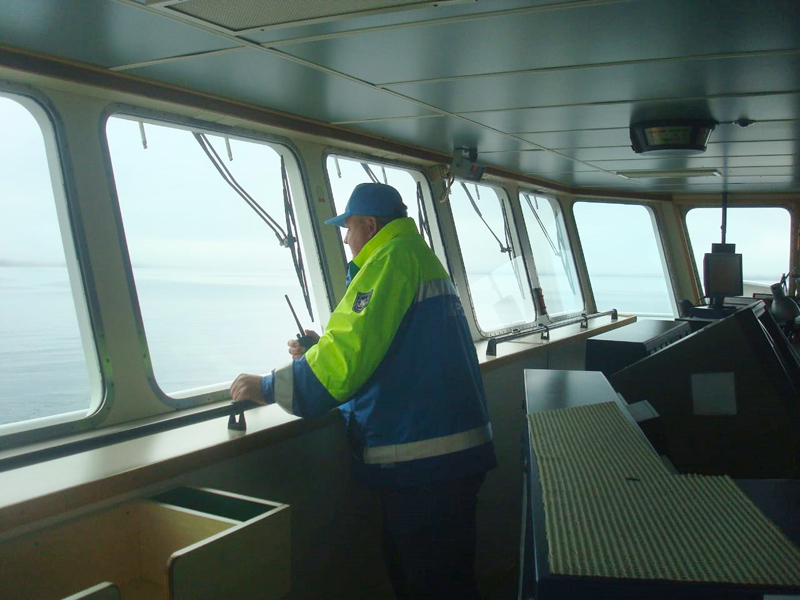 The maritime world is full of technical terms, and three concepts that often confuse students and even new seafarers what are the difference Salvage, Towage, and Pilotage. While all three involve assisting ships, each service has a distinct purpose, legal meaning, and operational procedure. Understanding these differences is essential for anyone working in or studying… Read more: Difference Between Salvage, Towage & Pilotage
 - Tips to Prepare for the BSc Nautical Science Entrance Exam
 Are you preparing for the BSc Nautical Science Entrance Exam and feeling overwhelmed by the wide syllabus? Don’t worry—this is common among students. Managing subjects like Physics, Chemistry, Maths, English, GK, and Aptitude can feel challenging. That’s why following the right Tips to Prepare for the BSc Nautical Science Entrance Exam becomes essential. With the… Read more: Tips to Prepare for the BSc Nautical Science Entrance Exam