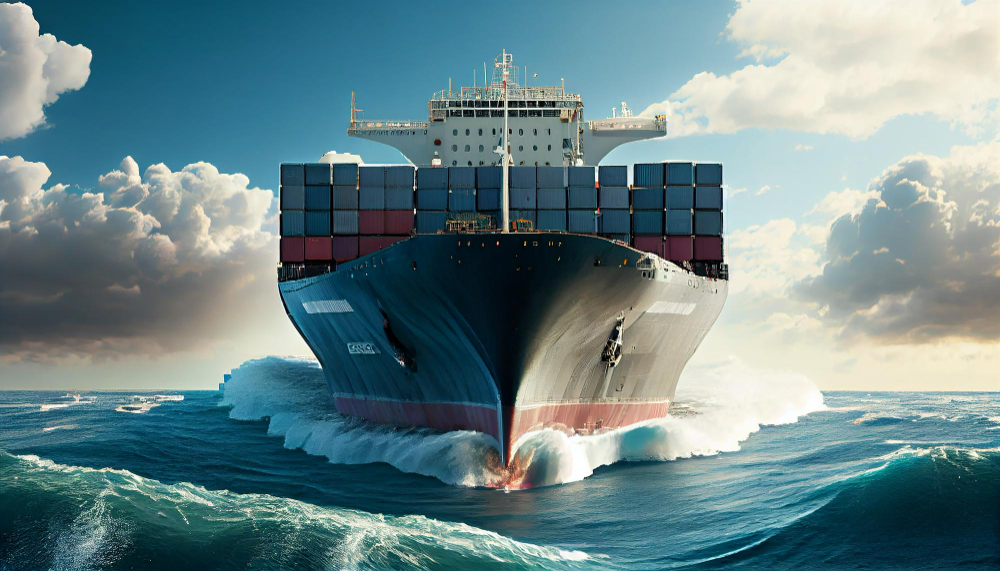
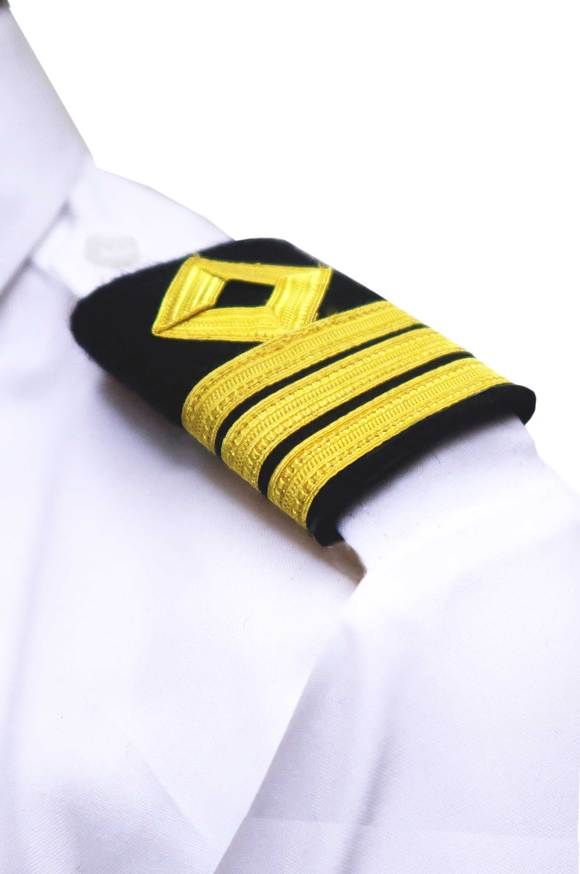
The Chief Officer (also known as the First Mate or Chief Mate) is the second-in-command after the Captain and plays a key role in running a ship safely and efficiently. While the Captain has overall authority, it is the Chief Officer who ensures that day-to-day operations are executed properly. The duties of a Chief Officer onboard a ship cover cargo management, crew supervision, navigation, safety, and maintenance, making this role one of the most crucial onboard.
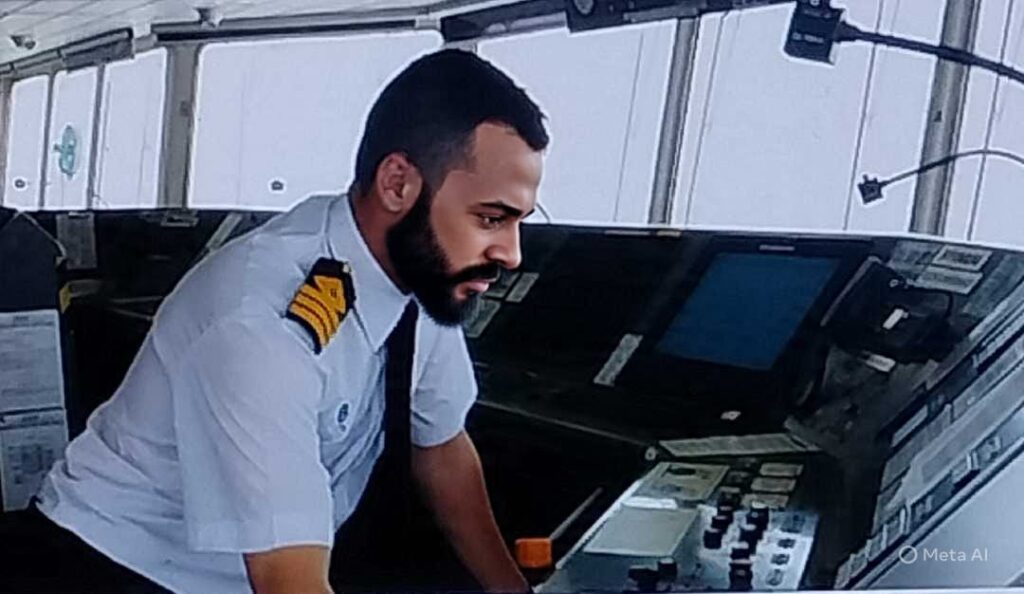
1. Second-in-Command
- The Chief Officer acts as the right hand of the Captain.
- In the Captain’s absence, the Chief Officer takes full command of the ship.
- Assists the Captain in implementing company policies, safety standards, and international regulations.
2. Cargo Operations
One of the primary duties of a Chief Officer onboard a ship is cargo management.
- Prepares cargo plans before loading and unloading.
- Ensures proper stowage, securing, and segregation of cargo to maintain ship stability.
- Monitors loading/unloading operations in port to prevent damage or imbalance.
- Maintains cargo documentation and communicates with port authorities, surveyors, and agents.
3. Deck Crew Management
- Leads and supervises all deck crew (Bosun, ABs, OS, cadets).
- Allocates daily work schedules for deck maintenance, cleaning, and watchkeeping.
- Ensures proper training, discipline, and welfare of the deck team.
- Acts as a mentor for junior officers and cadets.
4. Navigation Duties
- Usually stands 4-8 watch (from 0400–0800 and 1600–2000) on the ship’s bridge.
- Responsible for safe navigation during their watch.
- Monitors charts, radar, AIS, and weather reports.
- Prepares and updates passage plans under the Captain’s supervision.
5. Safety and Emergency Duties
- Serves as the Ship’s Safety Officer.
- Ensures that all safety equipment (lifeboats, lifejackets, fire extinguishers) is in working condition.
- Conducts safety drills (fire, man overboard, abandon ship) with the crew.
- Maintains Safety Management System (SMS) records and ensures compliance with SOLAS and ISM Code.
6. Ship’s Maintenance
- Oversees deck maintenance work like painting, rust removal, lubrication, and repair of deck machinery.
- Ensures mooring equipment, cargo cranes, winches, and hatch covers are operational.
- Coordinates with the ship’s engineer for any repairs that require engine department support.
7. Ballast and Stability Management
- Manages ballast water operations to maintain stability, draft, and trim of the vessel.
- Keeps stability calculations updated, especially during cargo loading/unloading.
- Ensures compliance with international ballast water regulations.
8. Safety Documentation and Records
- Maintains logbooks, checklists, safety records, and cargo documentation.
- Reports safety issues, near-misses, or incidents to the Captain and company.
- Prepares reports for port state inspections and audits.
9. Communication and Coordination
- Acts as a bridge between the Captain and deck crew.
- Maintains communication with cargo surveyors, terminal operators, and port officials.
- Coordinates with the Chief Engineer regarding fuel consumption, stability, and ballasting.
10. Environmental Responsibility
- Ensures compliance with MARPOL regulations to prevent pollution.
- Supervises waste management, garbage segregation, and oil record book entries.
- Implements eco-friendly practices onboard under company policy.
Conclusion
The duties of a Chief Officer onboard a ship are vast and critical for smooth operations at sea. From supervising cargo handling and ensuring ship stability to leading the crew and maintaining safety standards, the Chief Officer plays a central role in the ship’s daily functioning. Their leadership, technical knowledge, and decision-making skills directly impact the safety of the vessel, crew, cargo, and the marine environment.