

To build a career as a marine surveyor, one needs a strong maritime background, usually as a deck officer, marine engineer, or naval architect. The process involves gaining sea experience, completing specialized marine surveying courses, and developing skills like attention to detail, problem-solving, and report writing. Professionals can either join established companies for a stable career path or work independently as freelancers. With the right training and certifications, the transition from ship to shore becomes smooth, offering rewarding opportunities in the global shipping industry.
Now, let’s explore in detail about marine surveyors in this blog.
1. What is a Marine Surveyor?
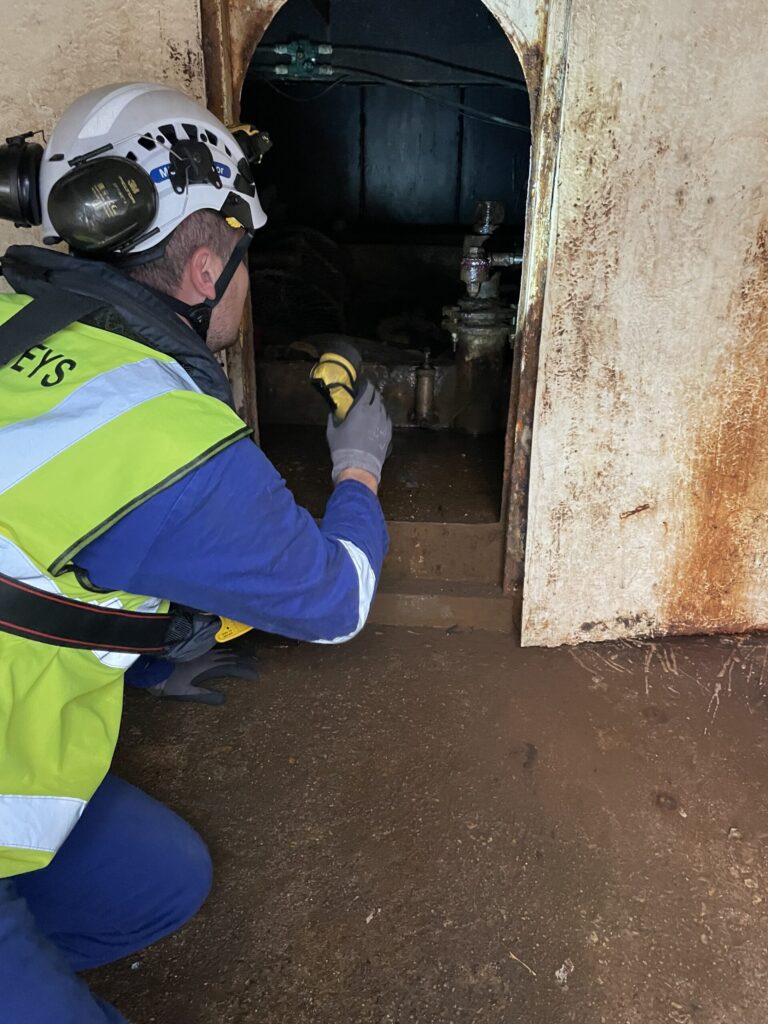
- A Marine Surveyor is an expert who checks ships, cargo, and other marine activities to make sure they are safe, legal, and of good quality.
- They usually work for classification societies, government bodies, insurance companies, or as independent consultants.
- Their job is to prevent accidents, ensure safety, and confirm that ships follow international rules.
- By doing inspections and reports, they help shipowners, insurers, and the industry run smoothly and safely.
2. Types of Marine Surveyors
2.1 Cargo Surveyor
- Checks cargo loading, stowage, and unloading.
- Ensures cargo is handled safely and as per regulations.
2.2 Hull Surveyor
- Inspects the ship’s hull for cracks, corrosion, or damage.
- Confirms the ship is seaworthy.
2.3 Marine Warranty Surveyor
- Gives independent approval for high-risk or expensive marine projects.
- Makes sure all equipment and procedures meet set standards.
2.4 Classification Society Surveyor
- Works for a classification society that sets shipbuilding and maintenance rules.
- Inspects new ships and existing vessels for compliance.
2.5 Owner’s Surveyor (Owner-Side Inspector)
- Represents the shipowner during surveys.
- Ensures the ship follows rules and contract requirements.
3. How to Become a Marine Surveyor
Switching from deck officer to surveyor opens many career paths. You can choose based on your goals:
3.1 Working in a Company
- Joining a survey company provides stable income and structured work.
- Companies work with shipowners, insurers, and ports on a variety of projects.
- You usually start at a junior level and can grow into senior or managerial roles.
- This gives wide exposure and the chance to specialize in a particular survey field.
3.2 Freelancing
- Freelance surveyors work independently, choosing their own projects.
- They can work with global clients and enjoy flexibility.
- Freelancing offers freedom but requires self-discipline and business skills.
- It’s ideal for those who prefer independence and variety.
4. Skills Needed to Become a Marine Surveyor
4.1 Navigation Knowledge
- Deck officers already know ship handling, safety rules, and cargo movement.
- This background is very useful for surveying.
4.2 Attention to Detail
- Inspections require spotting even small issues.
- Familiarity with safety rules helps ensure accurate surveys.
4.3 Communication Skills
- Surveyors prepare detailed reports for clients and authorities.
- Good speaking and writing skills are important.
4.4 Problem-Solving
- Surveys often bring unexpected problems.
- Quick decision-making and risk assessment are vital.
4.5 Regulatory Knowledge
- Knowing IMO, SOLAS, and classification rules is key to this job.
4.6 Leadership
- Deck officers with experience leading teams can apply the same skills in surveying, especially in senior roles.
5. Marine Surveyor Courses
5.1 Specialized Surveying Courses
- IIMS (International Institute of Marine Surveying) offers diplomas in cargo, hull, and warranty surveying.
5.2 Risk Management Courses
- Certified Marine Risk Professional (CMRP) helps in roles like warranty surveying where risk is high.
5.3 Cargo Handling & Stowage
- Lloyd’s Maritime Academy provides courses on safe cargo handling and stowage.
5.4 Project Management
- PMP Certification is useful when handling complex survey projects.
6. Marine Surveyor Salary
6.1 Freelance
- Daily rates can be $500–$800 or more depending on skills and project type.
- Annual income varies but experienced freelancers can earn six figures.
6.2 Company Jobs
- Daily rates usually $400–$600 depending on company and experience.
- Annual salaries start around $20,000–$40,000 and can reach $70,000+ for senior positions.
7. How to Find Surveyor Jobs
7.1 Maritime Job Portals
- Make a detailed profile and upload your resume.
- Job sites: MarineLink, Sea Career, Martide, and also general sites like Indeed, LinkedIn.
7.2 LinkedIn
- A strong LinkedIn profile boosts visibility.
- Highlight skills, certifications, and experience.
- Stay active by posting, engaging, and connecting with industry people.
7.3 Recruitment Agencies
- Register with agencies like Spinnaker Global and Faststream.
- Keep in touch for updates on openings.
8. Conclusion
Becoming a marine surveyor is a great career choice for deck officers and seafarers who want to move ashore. With the right mix of sea experience, surveying knowledge, and certifications, you can build a stable career in a company or enjoy the freedom of freelancing. Either way, it offers growth, respect, and long-term opportunities in the maritime industry.
Disclaimer: The views shared in this article are only the author’s and may not reflect the views of others. We do not guarantee the accuracy of the information and are not responsible for any errors. Data, images, or visuals are taken from public sources and may not be verified by official bodies. Reviews or comments on our blogs are personal opinions of individuals and do not represent our official views. We are not liable for any loss or damage caused by relying on this content.