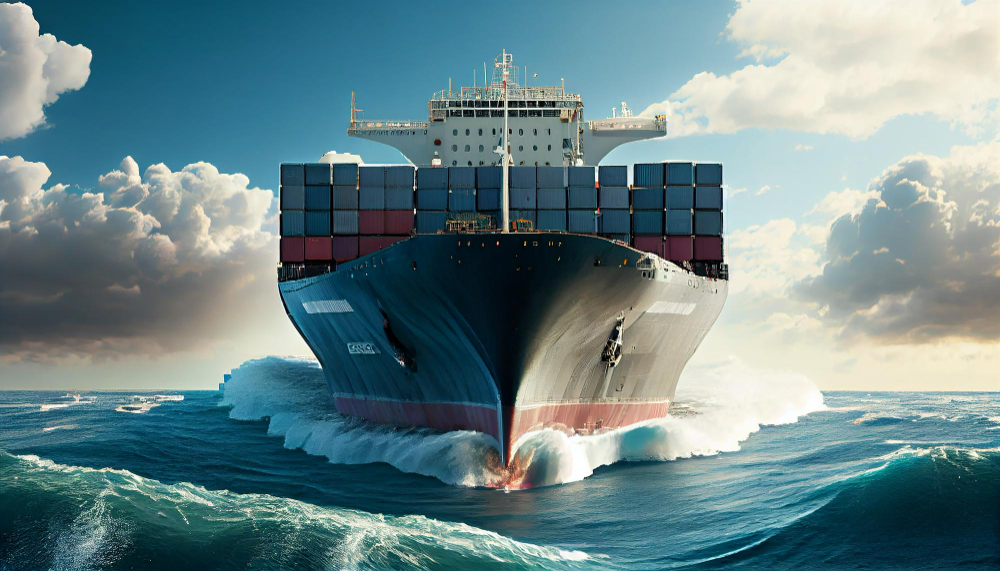
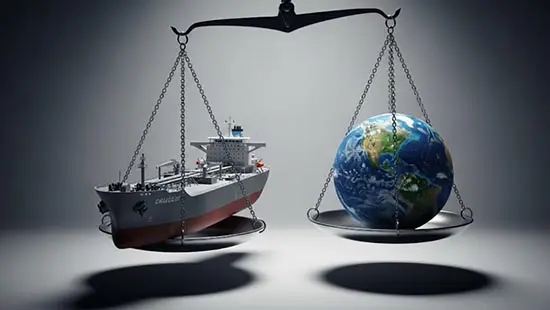
Maritime law — also known as admiralty law — is the legal framework that governs activities, disputes, and conduct on the world’s oceans and navigable waters. Maritime Law: The Backbone of Global Shipping is essential because the importance of maritime law in global trade is undeniable — from ensuring the safety of merchant ships to settling cargo disputes, it plays a vital role in keeping international commerce smooth, safe, and fair.
Why Maritime Law Matters
Over 90% of global trade moves by sea. Without a clear set of rules to regulate shipping, ports, seafarers, and maritime commerce, disputes would be common and trade could grind to a halt. Maritime law ensures:
- Safety at sea — by enforcing vessel standards, crew qualifications, and navigational rules
- Fair trade — by resolving cargo disputes and protecting contractual rights
- Environmental protection — by regulating waste disposal, oil spills, and pollution control
- Security — by combating piracy, illegal fishing, and smuggling
Key Areas Covered Under Maritime Law
- Shipping and Navigation Regulations
Maritime law outlines the standards ships must meet before sailing — including safety equipment, crew training, and navigational procedures under conventions like SOLAS (Safety of Life at Sea). - Cargo and Commercial Disputes
Issues like damaged goods, delivery delays, or lost cargo are resolved through maritime contracts and the Hague-Visby Rules. These rules balance the rights and responsibilities of shipowners and cargo owners. - Maritime Contracts
Includes charter parties (leasing ships), bills of lading (cargo receipts and contracts), and marine insurance agreements. - Marine Pollution and Environmental Laws
Governed by treaties like MARPOL (International Convention for the Prevention of Pollution from Ships), these laws prevent oil spills, manage ballast water, and protect marine ecosystems. - Collisions and Salvage
Maritime law determines liability when ships collide, and it sets rules for salvage operations — including rewards for rescuing ships, cargo, or lives at sea. - Seafarers’ Rights and Employment
The Maritime Labour Convention (MLC) ensures fair wages, safe working conditions, medical care, and rest hours for sailors. - Piracy and Maritime Security
Maritime law supports anti-piracy operations and legal prosecution of offenders, working alongside naval enforcement.
International Conventions Governing Maritime Law
Some of the most important global agreements include:
- United Nations Convention on the Law of the Sea (UNCLOS) — Defines territorial waters, exclusive economic zones (EEZ), and rights of passage.
- SOLAS — Sets safety standards for ships and crew.
- MARPOL — Regulates ship pollution.
- STCW (Standards of Training, Certification, and Watchkeeping) — Sets global crew competency standards.
- Hague-Visby Rules — Governs the carriage of goods by sea.
Maritime Law in India
India’s maritime legal framework is a blend of international conventions and national laws, including:
- The Merchant Shipping Act, 1958 — Governs ship registration, safety, and crew conditions.
- The Indian Ports Act, 1908 — Regulates port operations.
- Coastal Regulation Zone (CRZ) Rules — Protect India’s coastal environment.
Indian courts, particularly the High Courts of coastal states, have admiralty jurisdiction to handle maritime disputes involving Indian and foreign ships.
Modern Challenges in Maritime Law
Piracy in high-risk zones like the Gulf of Aden and the Somali coast continues to threaten international shipping lanes.
Furthermore, drone and cyber threats are increasingly targeting ships’ navigation and cargo systems, making digital security a top priority.
In addition, environmental damage from oil spills and plastic pollution poses long-term risks to marine ecosystems.
Moreover, disputes over territorial waters in areas like the South China Sea have heightened geopolitical tensions.
Finally, human rights issues remain a concern, particularly for abandoned seafarers or crews stuck in prolonged legal disputes.
Conclusion
Maritime law is the invisible but essential guardian of global shipping. It not only balances the rights of nations, shipowners, cargo handlers, and seafarers, but also ensures safety, security, and sustainability at sea. As a result, it plays a pivotal role in keeping maritime commerce stable and fair. While maritime trade continues to evolve with new technologies and challenges, maritime law will therefore adapt — steering the course for fair and safe navigation across the world’s oceans.https://jhazibhaiyaji.com/why-to-join-merchant-navy/