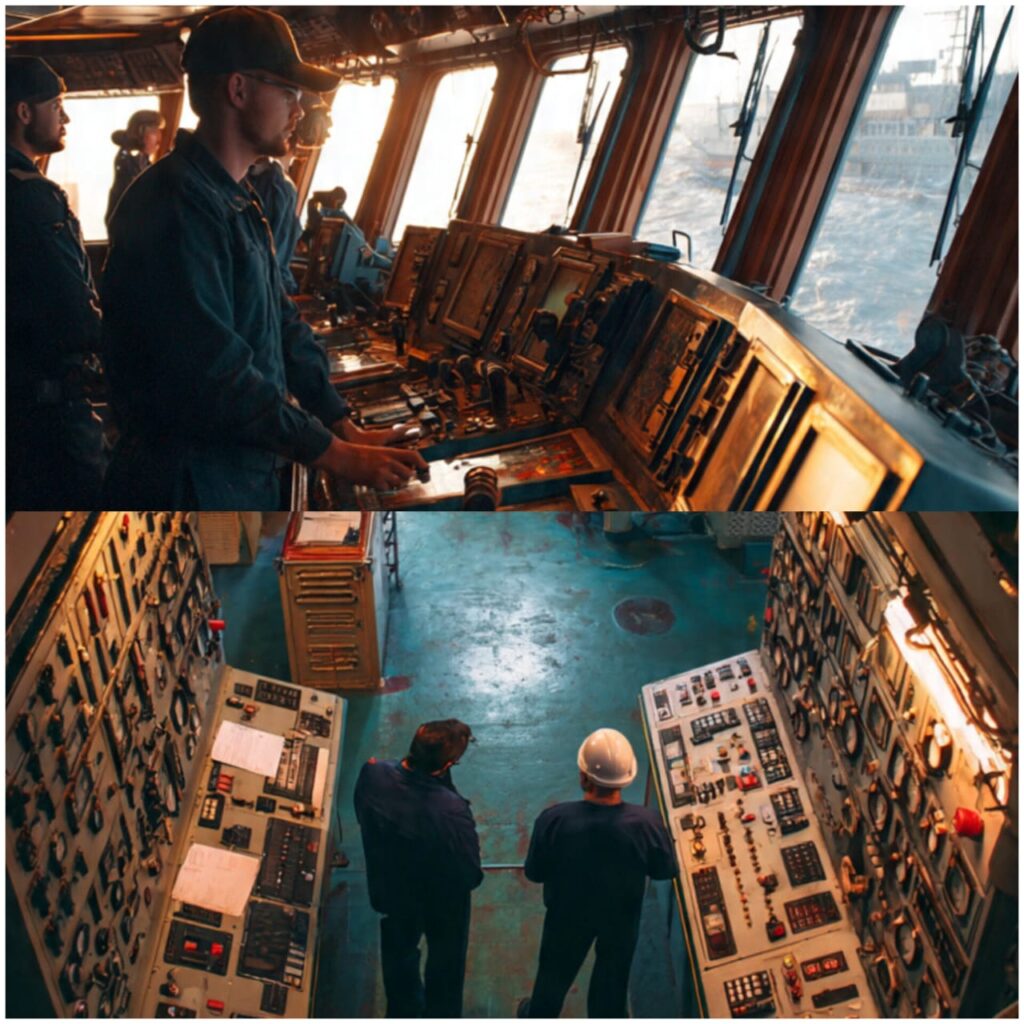
Nautical Science vs Marine Engineering Explained**
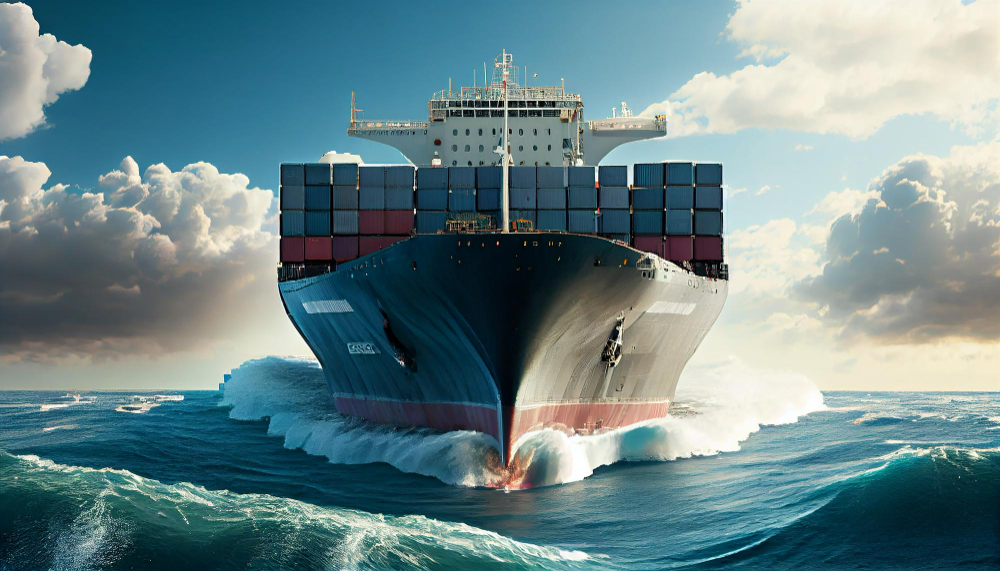
The debate of Nautical Science vs Marine Engineering has existed for decades, and for good reason. Both fields form the backbone of the maritime industry. Each focuses on completely different aspects of ship operations, yet both are essential for a vessel’s safety, functionality, and success at sea.
If you find yourself confused about which course offers better scope or suits your strengths, this guide will help you understand the clear differences, career paths, skills required, and training involved, so you can make the right choice for your future.
Key Differences Between Nautical Science and Marine Engineering
1. Scope and Curriculum
Nautical Science
Nautical Science focuses on the navigation and command aspects of a ship. Students learn:
- Ship navigation, chartwork, COLREGs and passage planning
- Meteorology, oceanography and environmental science
- Ship stability, cargo operations and seamanship
- Bridge watchkeeping, communication systems and international maritime laws
- Leadership, safety management and emergency operations
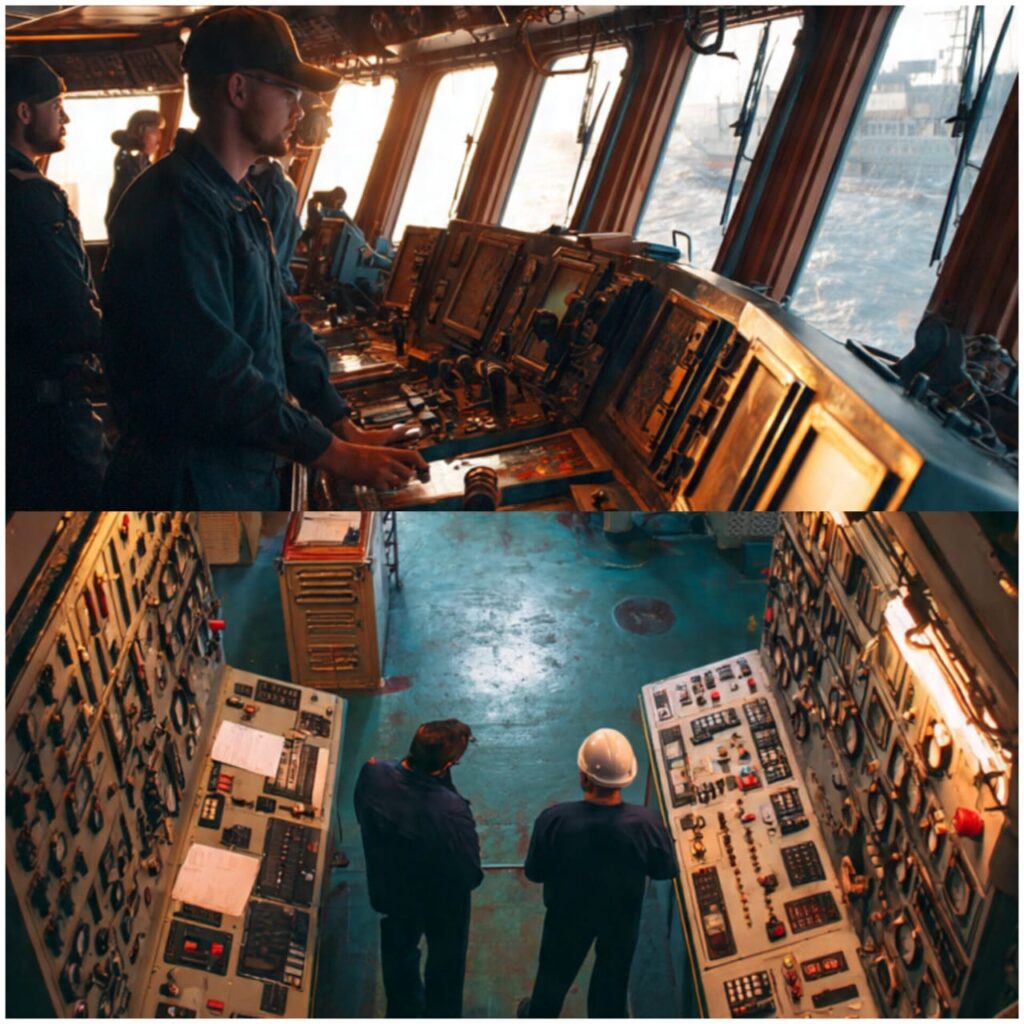
It prepares you to work on the bridge, where you manage the ship’s movement, safety, and cargo operations.
Marine Engineering
Marine Engineering focuses on the technical and mechanical operations of the ship. Students study:
- Operation and maintenance of engines, generators, boilers and auxiliary machinery
- Thermodynamics, mechanics, electrical systems and control engineering
- Ship construction, propulsion systems and machine design
- Refrigeration, hydraulics and automation
- Engine room resource management and system troubleshooting
It prepares you to work in the engine room, ensuring that every technical system functions smoothly.
2. Skills Required
Nautical Science
Ideal for those who have:
- Strong decision-making and analytical skills
- Good leadership qualities and communication abilities
- Expertise in navigation, safety and cargo handling
- Ability to stay calm and make quick judgments
- Understanding of maritime regulations and onboard emergency response
Marine Engineering
Best suited for students who have:
- Strong problem-solving and technical aptitude
- Interest in machinery, engines and automation
- Ability to analyze, repair and optimize mechanical systems
- Good mathematical and engineering foundations
- Hands-on interest in maintaining complex equipment
3. Work Environment
Nautical Science
Deck officers primarily:
- Work on the bridge
- Plan voyages and maintain safe navigation
- Interact with port authorities and manage cargo
- Handle ship security, stability and documentation
Their work is operational, administrative and safety-focused.
Marine Engineering
Engineers:
- Work inside the engine room
- Maintain and monitor all machinery
- Oversee propulsion, power systems and equipment repairs
- Ensure technical efficiency and fuel optimization
Their roles are mechanical, technical and maintenance-driven.
4. Career Progression
Nautical Science Career Path
- Deck Cadet
- Third Officer
- Second Officer
- Chief Officer
- Captain (Master Mariner)
Career growth emphasizes leadership, navigation, ship management and operational decision-making.
Marine Engineering Career Path
- Trainee Marine Engineer
- Fourth Engineer
- Third Engineer
- Second Engineer
- Chief Engineer
Career growth focuses on technical expertise, machinery management and engineering leadership.
5. Certifications and Requirements
Nautical Science
Students must complete:
- STCW courses
- Radar, ARPA, ECDIS and BRM training
- GMDSS certification
- Officer of the Watch (OOW – Deck) exam
Marine Engineering
Students must complete:
- STCW safety courses
- Engine room simulator training
- Workshops and onboard training
- MEO Class IV exam for an Officer of the Engine Room
Training, Facilities and Opportunities (General Overview)
Many maritime institutions worldwide offer strong training for both fields.
A good institute should provide:
For Nautical Science
- Bridge and navigation simulators
- ECDIS and radar labs
- Cargo-handling practical training
- Ship stability and meteorology workshops
- Certification exam guidance
For Marine Engineering
- Full mission engine room simulators
- Heavy machinery labs and workshops
- Training on ship power systems and control engineering
- Welding, fitting and machine-shop practice
- Internship and placement assistance
Look for institutes with industry tie-ups, good placement records and modern simulation facilities.
Which Course Should You Choose?
Choose Nautical Science if:
- You love navigation, routes and ship handling
- You enjoy leadership roles
- You prefer working on the bridge with responsibility for navigation and safety
- You want to become a Captain someday
Choose Marine Engineering if:
- You enjoy mechanics, engines and solving technical problems
- You want to work with machinery and propulsion systems
- You prefer a hands-on engineering career
- You want to advance toward becoming a Chief Engineer
Conclusion
The Nautical Science vs Marine Engineering debate has no single winner because both offer excellent career opportunities. Deck officers command the ship, while engineers keep the vessel running. Both roles are equally respected, essential and financially rewarding.
Disclaimer:This blog provides general educational information about the differences between Nautical Science and Marine Engineering. Course details, training methods and career paths may vary depending on the institute and shipping company. Readers should verify specific requirements through official maritime authorities, approved training institutes and regulatory bodies before making any academic or career decisions.