The Merchant Navy is a vital part of global trade and transport. It includes many types of ships that carry goods, oil, gas, and even people across the world’s oceans. Each ship in the Merchant Navy is designed for a special purpose—some carry containers, some carry fuel, while others carry heavy machines or vehicles. In this blog, we will explore the different types of ships in the Merchant Navy, how they work, and what role they play in keeping international trade running smoothly.
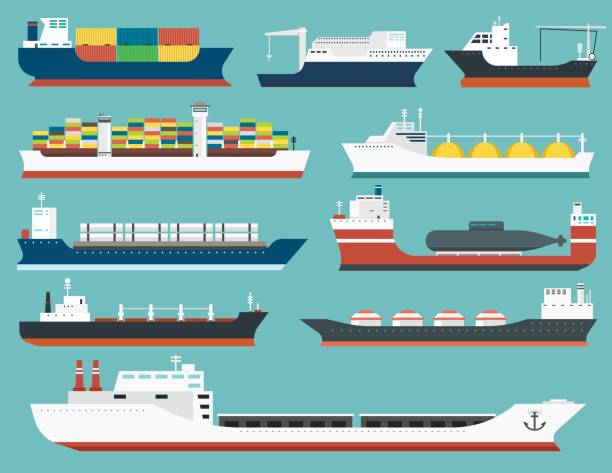
Types of Merchant Navy Ships
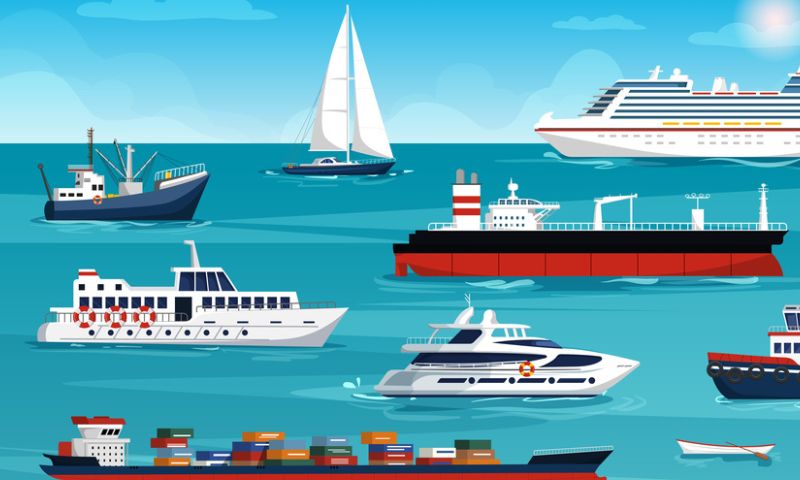
The Merchant Navy uses many different types of ships for different jobs. These ships help carry goods, oil, gas, cars, and even people across the sea. In this blog, we have listed some of the main types of ships used in the merchant navy.
1. Cargo Ships (General Cargo Vessels)
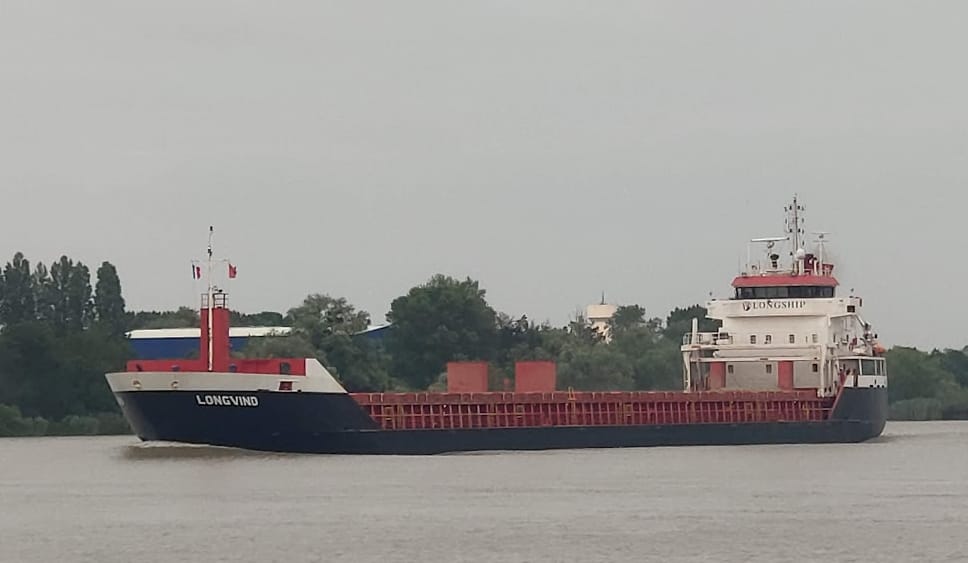
General cargo ships are versatile vessels used to transport packaged items such as machinery, electronics, food products, and textiles. These ships may carry different types of cargo in various forms and are often equipped with their own cranes to operate at ports with limited infrastructure.
2. Tankers
Tankers are designed specifically to transport liquid cargo in bulk.
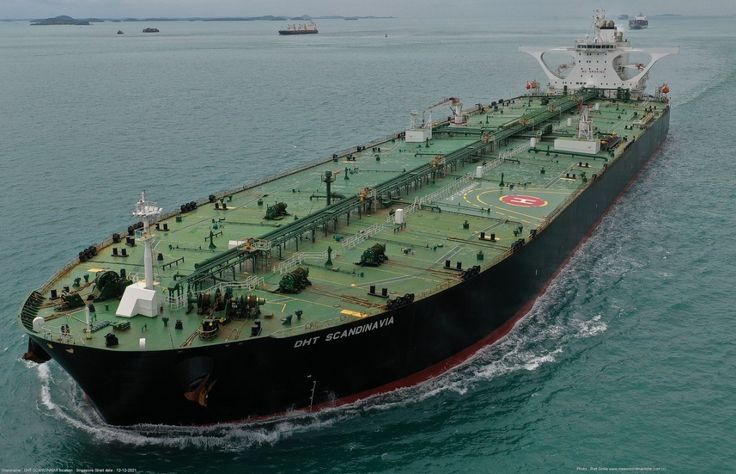
i)Oil Tankers carry crude oil and petroleum products.
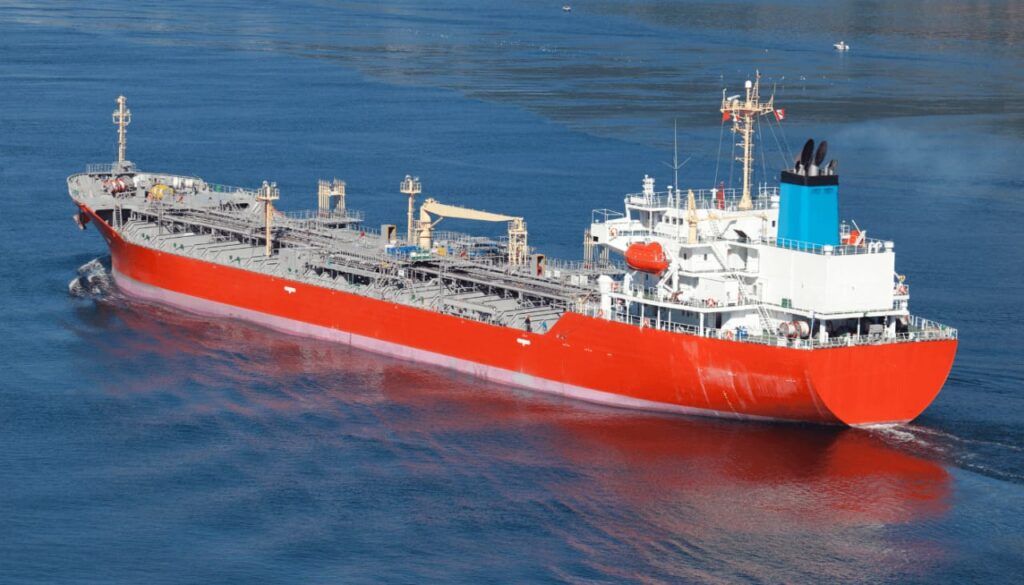
ii)Chemical Tankers handle hazardous or corrosive chemicals with strict safety measures.
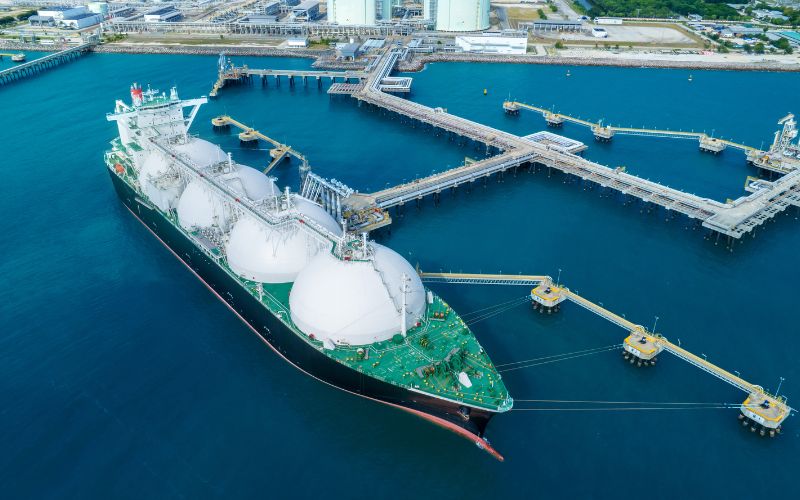
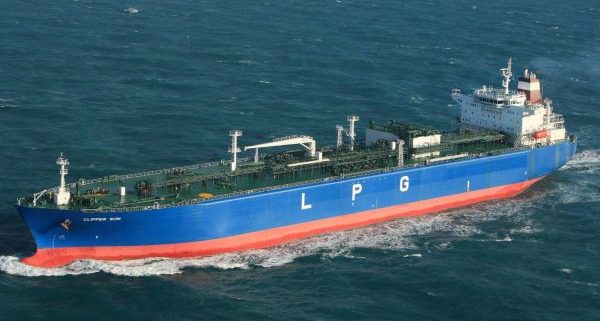
iii)LPG/LNG Tankers carry liquefied gases at high pressure or very low temperatures in specialized insulated tanks.
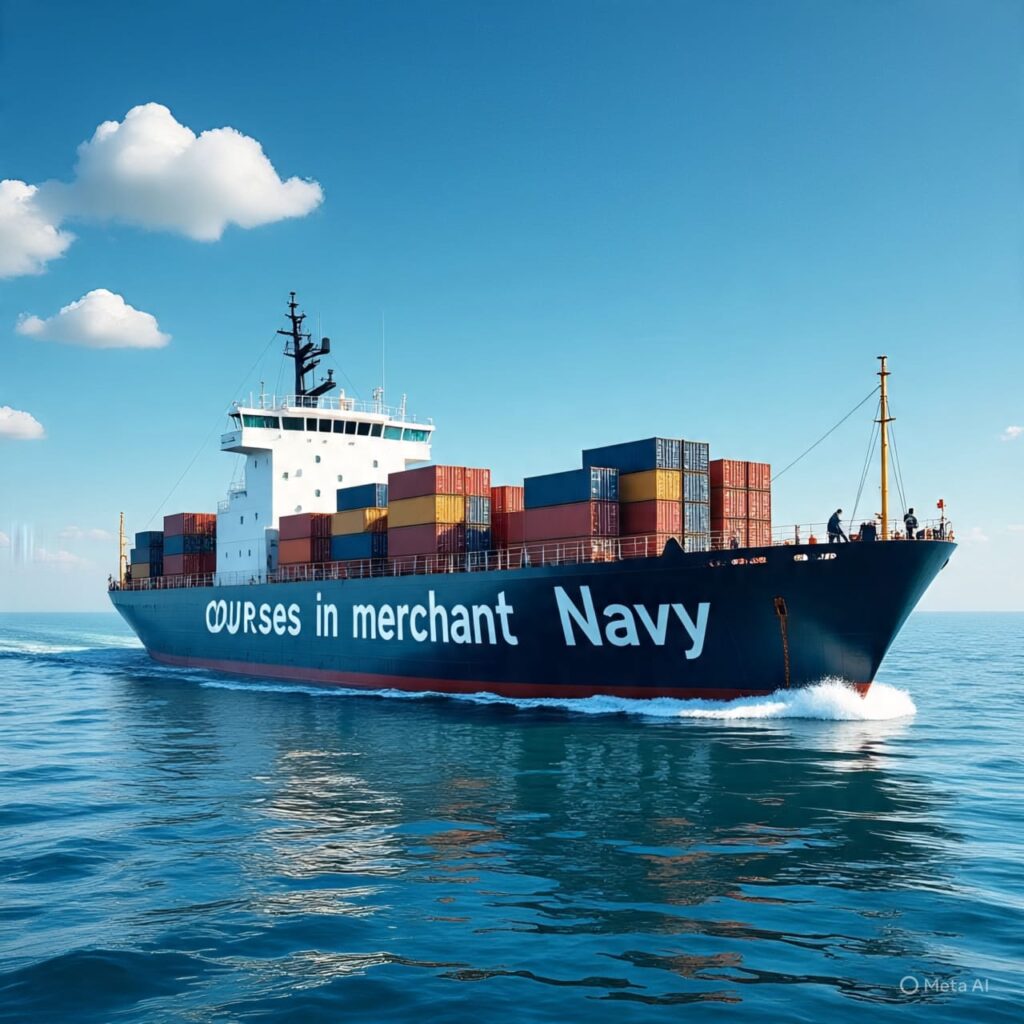
3. Container Ships
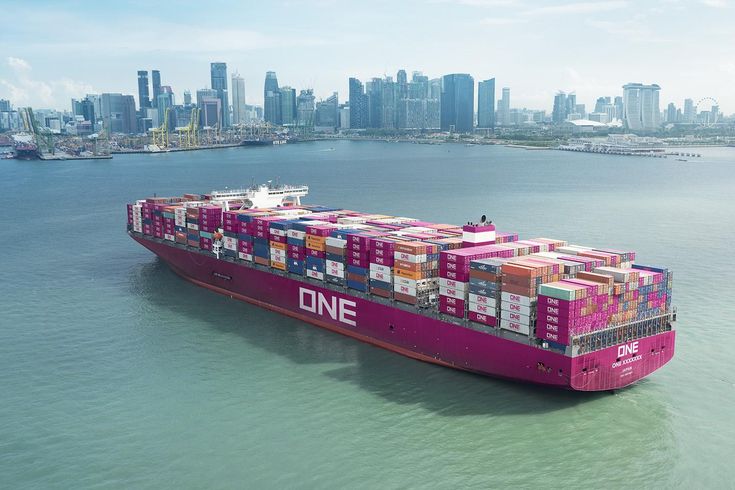
Container ships are the backbone of global trade, transporting thousands of containers (TEUs) filled with everything from clothes to electronics. The standardized container system allows for quick loading/unloading and easy tracking, making them highly efficient and widely used.
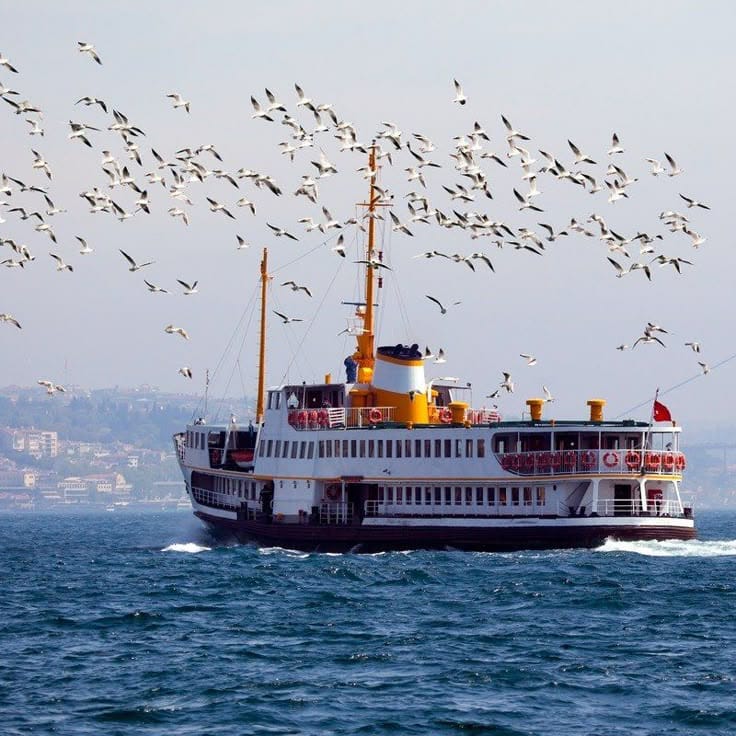
4. Passenger Ships
Passenger vessels include:
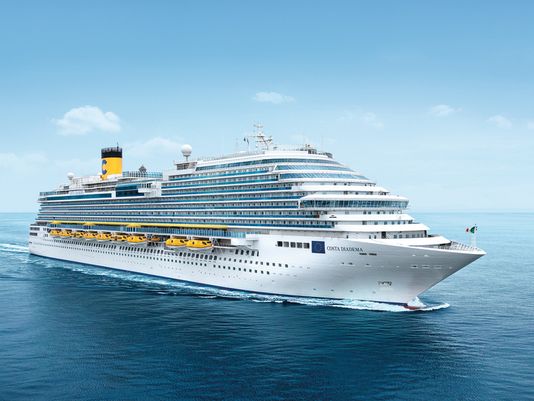
i)Cruise Ships, which are luxurious floating resorts offering leisure voyages with accommodations, entertainment, and dining.
ii)Ferries, which operate on shorter routes, often carrying both passengers and vehicles across seas or rivers on a daily basis.
5. Bulk Carriers
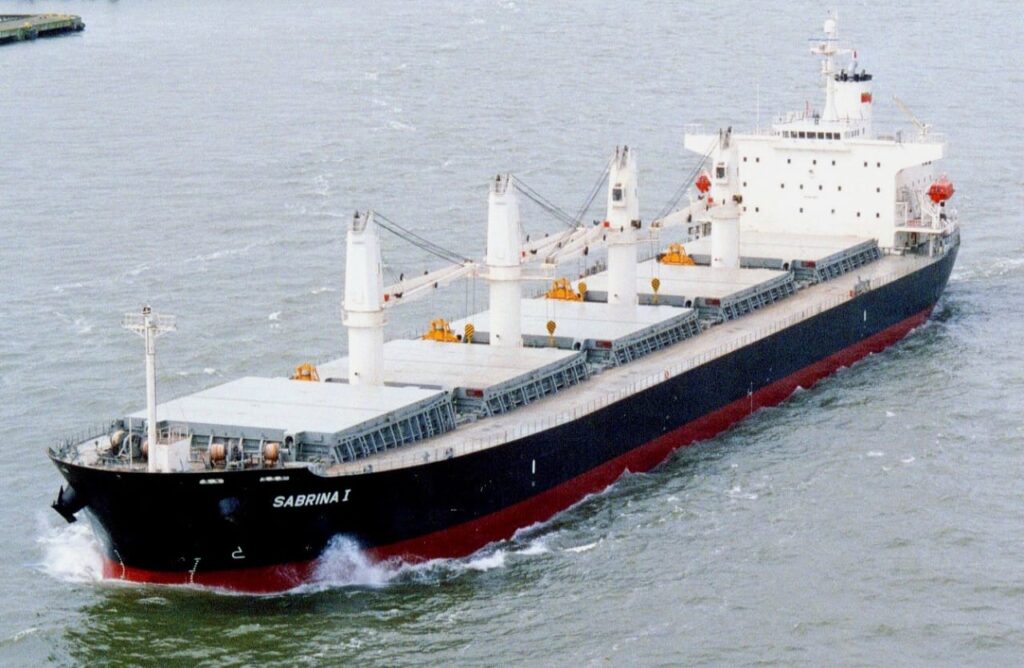
These ships are built to move large quantities of loose goods like coal, iron ore, grain, or cement. Their massive cargo holds and open deck spaces allow efficient loading via conveyor belts or cranes. Bulk carriers are essential to industries like mining and agriculture.
6. Reefer Ships (Refrigerated Ships)
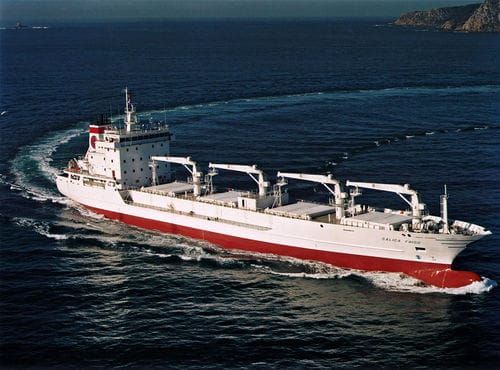
Reefer ships are temperature-controlled vessels used to transport perishable goods like fruits, vegetables, meat, fish, dairy, and pharmaceuticals. These ships ensure products remain fresh even during long voyages, thanks to advanced refrigeration systems.
7. Ro-Ro Ships (Roll-on/Roll-off)
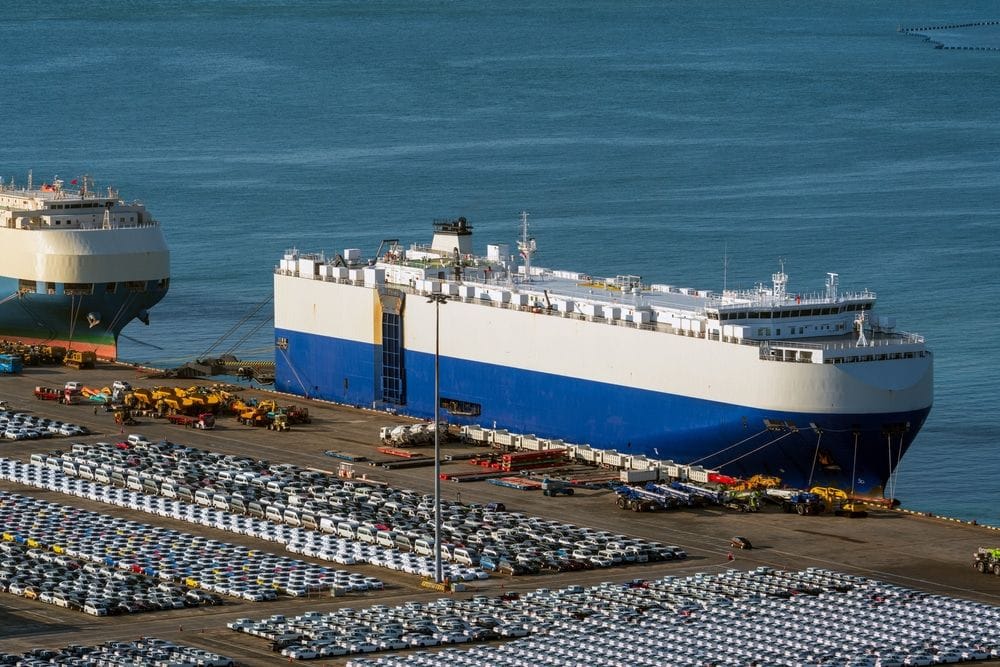
Ro-Ro vessels are specially designed for carrying wheeled cargo—cars, trucks, buses, and even trains. Instead of cranes, they use built-in ramps so vehicles can drive on and off, making loading fast and damage-free.
8. Offshore Vessels
Offshore support vessels are vital for servicing oil rigs and deep-sea exploration. Types include:
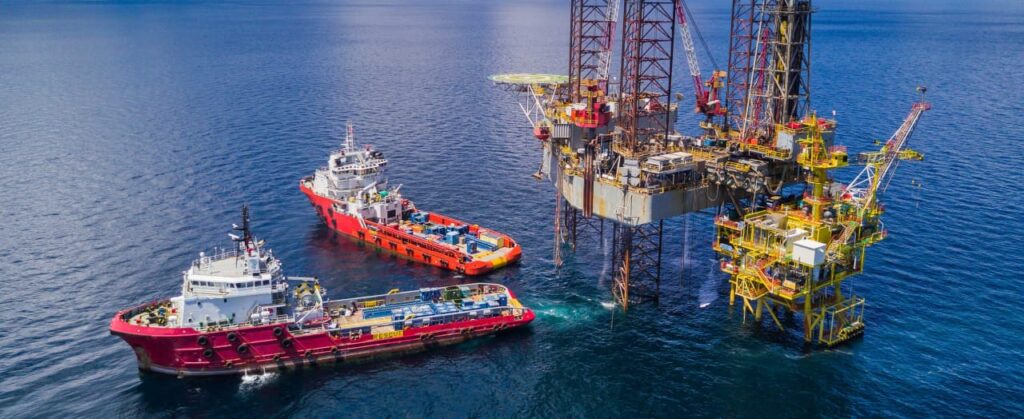
- Platform Supply Vessels (PSVs) for transporting goods and equipment,
- Anchor Handling Tug Supply (AHTS) vessels for positioning oil platforms, and
- Construction vessels for laying pipes and underwater cables.
9. Dredgers
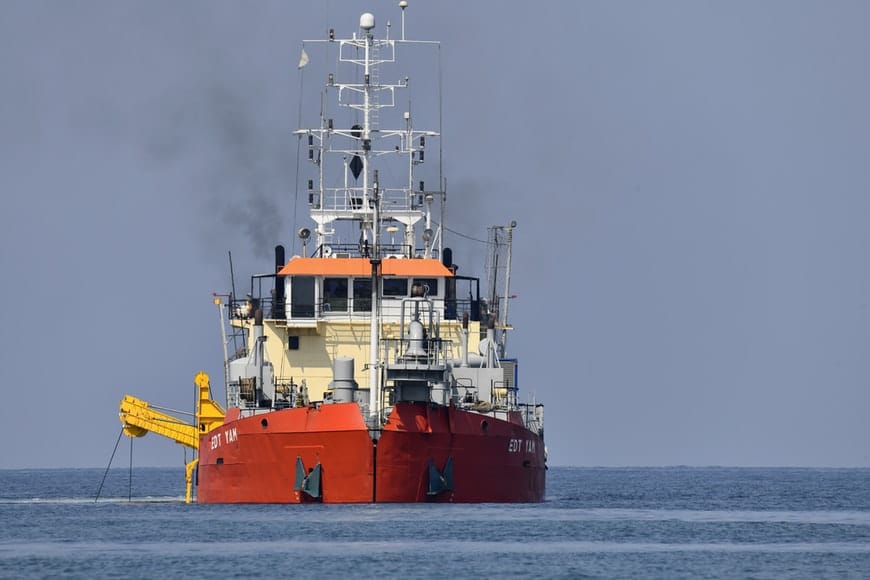
Dredgers remove sediment and debris from the seabed to maintain navigable waterways and ports. They are used in harbor deepening, beach nourishment, and environmental cleanup. Types include cutter suction, trailing suction, and hopper dredgers.
10. Tugs & Service Vessels
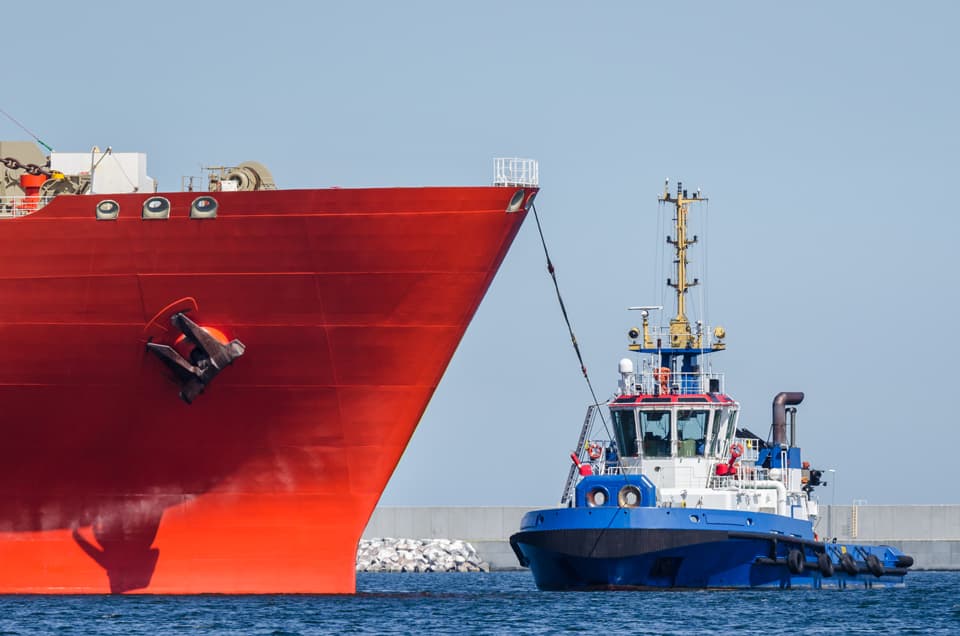
Tugboats are small but powerful vessels used to tow or push larger ships in crowded or narrow harbors. Service vessels also support firefighting, pollution control, maintenance, and rescue operations, playing a crucial role in maritime safety.
✅ Conclusion
The Merchant Navy operates a wide variety of ships, each designed for specific roles and cargo types—from massive oil tankers and container ships to specialized reefer vessels and offshore supply ships. Understanding these ship types not only helps aspiring seafarers choose the right career path but also gives a deeper appreciation of how global trade and marine logistics function. Whether transporting goods, passengers, or supporting offshore operations, each vessel plays a vital role in keeping the world connected through sea routes.
⚠️ Disclaimer
The information provided in this blog is for general knowledge and educational purposes only. While efforts have been made to ensure accuracy, specifications and classifications of ships may vary by company, region, and technological developments. Readers are advised to consult official maritime authorities or shipping companies for the most updated and professional guidance.