Introduction: Sailing into Autonomy
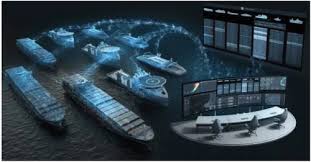
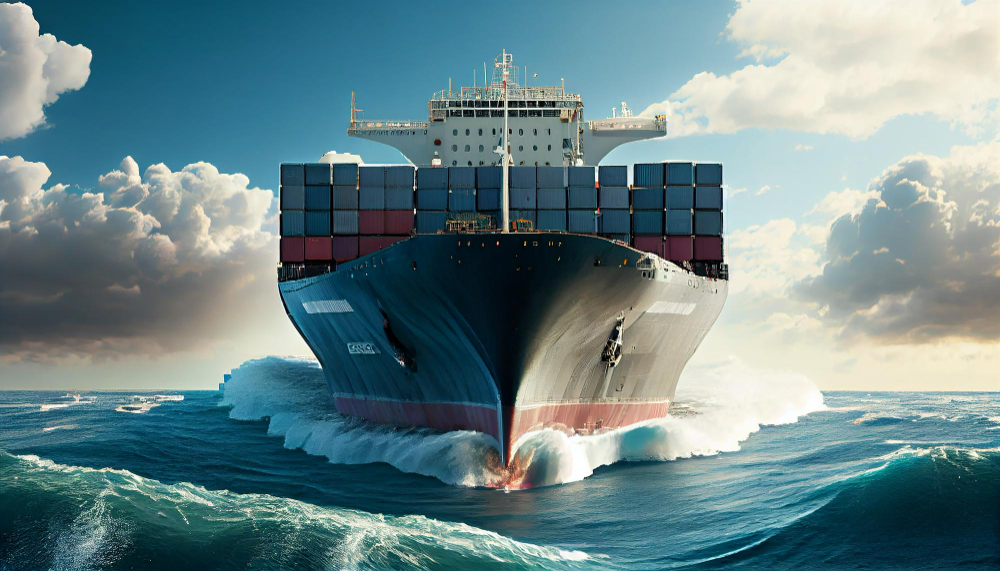
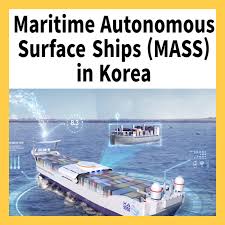
The maritime industry is on the brink of a technological transformation with the rise of The Future of Autonomous Shipping (MASS)—cargo vessels capable of operating with minimal or no human intervention. These ships integrate AI navigation, sensor fusion, and remote-control systems to make shipping safer, more efficient, and environmentally sustainable.https://jhazibhaiyaji.com/merchant-shipping-bill-2025/
Countries like Norway, Japan, and South Korea are leading the way, testing fully autonomous and remotely operated vessels, while the International Maritime Organization (IMO) develops a phased regulatory framework to ensure safe global deployment.
The Promise of MASS
Operational Efficiency & Cost Savings
Autonomous ships can operate continuously, cutting crew-related expenses and optimizing routes through AI—boosting fuel efficiency by up to 30% and reducing transit times.
Enhanced Safety & Reduced Human Error
Human mistakes cause nearly 75% of maritime accidents. MASS uses advanced situational awareness, 24/7 monitoring, and AI-driven decision-making to reduce incidents by as much as 40%.
Environmental Benefits
With precision navigation and optimized speeds, autonomous vessels can significantly cut emissions, aligning shipping with global decarbonization targets.
Current Landscape & Industry Momentum
- Market Growth: Valued at ~$6.9 billion in 2022, the MASS market could reach $150 billion by 2030.
- Pioneering Projects:
- Yara Birkeland (Norway) – the world’s first zero-emission autonomous container ship.
- MEGURI2040 (Japan) – aiming for fully autonomous ships by 2025.
- Government & Industry Efforts: Norway, Japan, and China are rolling out pilot programs and national strategies for MASS adoption.
Navigating Regulatory Waters
- IMO Regulations: A non-mandatory MASS Code is set for 2025, moving to a mandatory code by 2028.
- Legal Liability: Defining accountability—whether shipowners, tech providers, or operators—remains a challenge.
- Phased Integration: Experts advocate gradual adoption, from controlled trials to global deployment, ensuring redundancy, robust cybersecurity, and reliable control systems.
Technological Backbone of MASS
- AI & Machine Learning – For route optimization, collision avoidance, and hazard detection.
- Sensor Fusion & Radar – Combining environmental and navigational data for real-time decision-making.
- Digital Twins – Virtual models simulate ship performance for training, diagnostics, and autonomous operation testing.
- Satellite Communications – Enables remote vessel monitoring and control.
Challenges & Risks
- Cybersecurity Threats: Today’s ships and ports are deeply interconnected through digital systems—GPS, ECDIS, AIS, cargo handling platforms—making the maritime industry attractive targets for cybercriminals and state actors alike.
- Regulatory Gaps: Global maritime laws must evolve to address autonomous operations.
- Public Trust: Gaining confidence from both industry stakeholders and the public is essential.
- Fleet Integration: Operating autonomous and conventional ships together in busy waterways will require clear safety protocols.
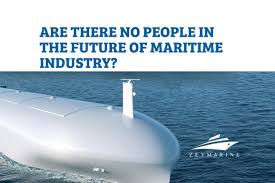
Impact on Maritime Jobs
One of the most significant implications of MASS is its effect on employment:
- Reduced Onboard Roles – Crew positions like deckhands and engineers may decline.
- Rise in Shore-Based Jobs – Growth in roles for remote monitoring, AI maintenance, and maritime cybersecurity.
- Upskilling Needs – Seafarers must learn digital navigation, AI troubleshooting, and cyber defense.
- Transition Challenges – Older or traditionally trained workers may face unemployment without retraining programs.
Instead of eliminating jobs, MASS will transform them—shifting from labor-intensive sea roles to technical, data-driven positions ashore.
Outlook: Hybrid Operations Before Full Autonomy
Industry experts expect a mixed fleet for the foreseeable future, with partial autonomy—like automated docking, unmanned engine rooms, and AI-assisted navigation—becoming commonplace before full autonomy takes over.
Conclusion: Balancing Innovation with Security
Autonomous shipping holds immense potential for safety, efficiency, and environmental performance. However, its success depends on:
- Strong regulatory frameworks.
- Advanced cybersecurity measures.
- Strategic workforce transition planning.
If these are addressed, MASS could become the cornerstone of smarter, greener, and safer global maritime trade.