Introduction
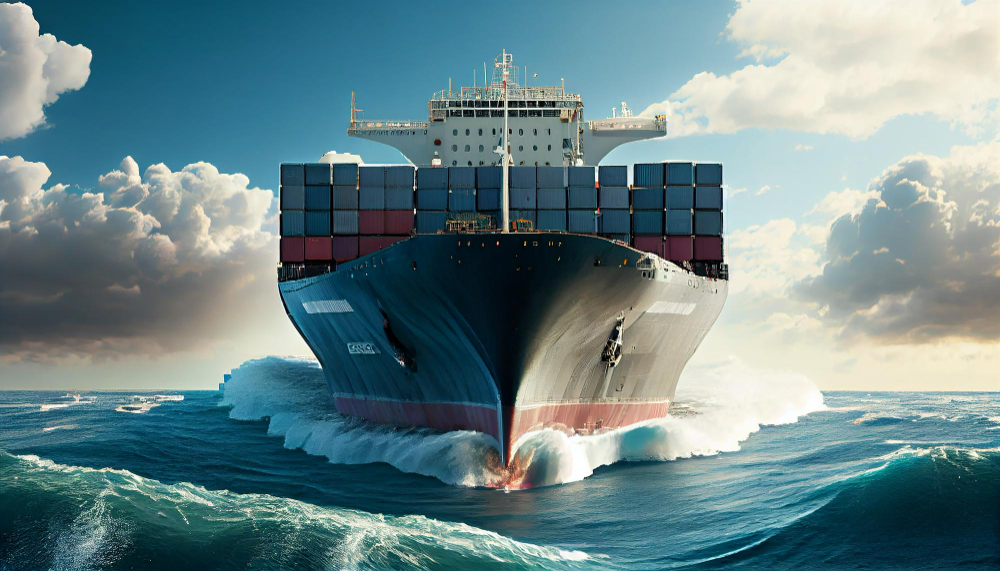
The Strait of Hormuz, one of the most critical maritime chokepoints in the world, has become the center of global attention after the escalation of the Iran–Israel War 2026. This growing conflict has triggered what many analysts are calling the Strait of Hormuz Crisis, raising serious concerns about global energy security and maritime trade. Following military strikes by the United States and Israel on Iran, Tehran responded with strong retaliatory actions, including threats to block shipping through the strait. The Strait of Hormuz Crisis has already disrupted global oil trade, pushed energy prices higher, and created major uncertainty for international shipping and economies worldwide.
What Is the Strait of Hormuz and Why Is It Important?
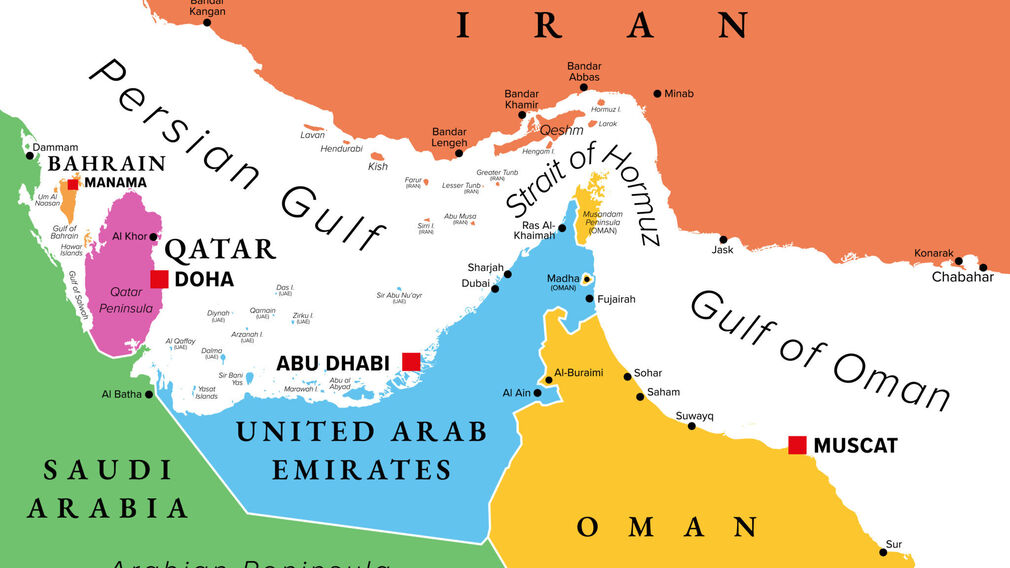
The Strait of Hormuz is a narrow sea passage connecting the Persian Gulf with the Gulf of Oman and the Arabian Sea. It is one of the most strategically important waterways in global trade.
- Around 20% of the world’s oil and LNG supply normally passes through this strait.
- It is the main export route for oil producers such as Saudi Arabia, Iraq, Kuwait, Qatar, and the UAE.
- Major oil-importing countries in Asia, including India and China, rely heavily on shipments passing through this route.
Because of this, any disruption in the strait can immediately impact the global economy and fuel prices.
How the Iran–Israel War Led to the Crisis
The crisis began on 28 February 2026, when the United States and Israel launched coordinated military strikes on Iranian nuclear and military facilities. These attacks triggered a large-scale conflict across the Middle East.
In response, Iran launched missile and drone attacks on regional targets and warned that it would block or control shipping in the Strait of Hormuz. Iranian officials also threatened to attack ships belonging to the United States, Israel, and their allies.
As tensions escalated, shipping companies began suspending operations and tanker traffic quickly declined.
Shipping Through the Strait Nearly Stopped
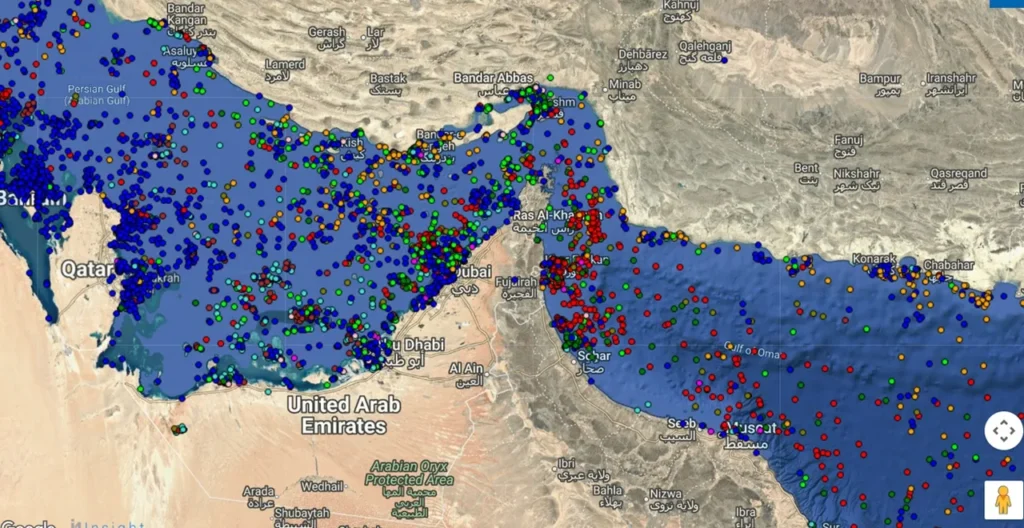
After Iran’s warning, maritime traffic through the strait dropped dramatically.
- More than 150 ships reportedly anchored outside the strait, waiting for the situation to stabilize.
- Several tankers were attacked or damaged in the region.
- Many major shipping companies halted transit due to security concerns.
In some reports, no oil tankers were passing through the strait, effectively stopping one of the world’s busiest energy corridors.
Impact on Global Oil and Energy Markets
The disruption has already caused major changes in the global energy market.
- Oil prices surged close to $90 per barrel amid supply fears.
- Several Gulf producers started reducing oil production because exports were blocked.
- Analysts warn that prices could climb toward $100 per barrel if the crisis continues.
Since such a large share of global oil passes through the strait, even a temporary closure can create global shortages.
Impact on India and Asia
Countries in Asia are among the most vulnerable to this crisis.
- Around 40% of India’s crude oil imports pass through the Strait of Hormuz.
- A prolonged disruption could increase fuel prices, shipping costs, and inflation in India.
- Asian economies rely heavily on Gulf energy exports, making them particularly sensitive to any blockade.
Although India holds strategic petroleum reserves, experts warn that a long-term closure would still create economic challenges.
Conflicting Statements About the Closure
Interestingly, there have been mixed statements about the strait’s status.
- Iranian military officials warned that ships from the US, Israel, and their allies could be targeted.
- However, Iranian officials later stated that the strait was not fully closed and that navigation rules would still apply.
In reality, even without a formal closure, security risks alone have been enough to halt most shipping traffic.
What Could Happen Next?
Experts say several scenarios are possible:
- Military escort missions by Western navies to protect tankers.
- Diplomatic negotiations to reduce tensions in the region.
- Continued conflict leading to long-term disruption of global energy supply.
Even after the conflict ends, it may take months for shipping operations to fully return to normal.
Conclusion
The Strait of Hormuz crisis demonstrates how a single maritime chokepoint can influence the entire global economy. The ongoing Iran–Israel conflict has not only intensified geopolitical tensions but also disrupted oil supply routes, shipping operations, and global energy markets.
As the situation evolves, the world will closely watch whether diplomacy or military action determines the future of this critical waterway.
Disclaimer
This article is based on publicly available news reports, maritime updates, and social media discussions at the time of writing. The situation in the Middle East is rapidly evolving, and some information may change as official confirmations and updates become available.