
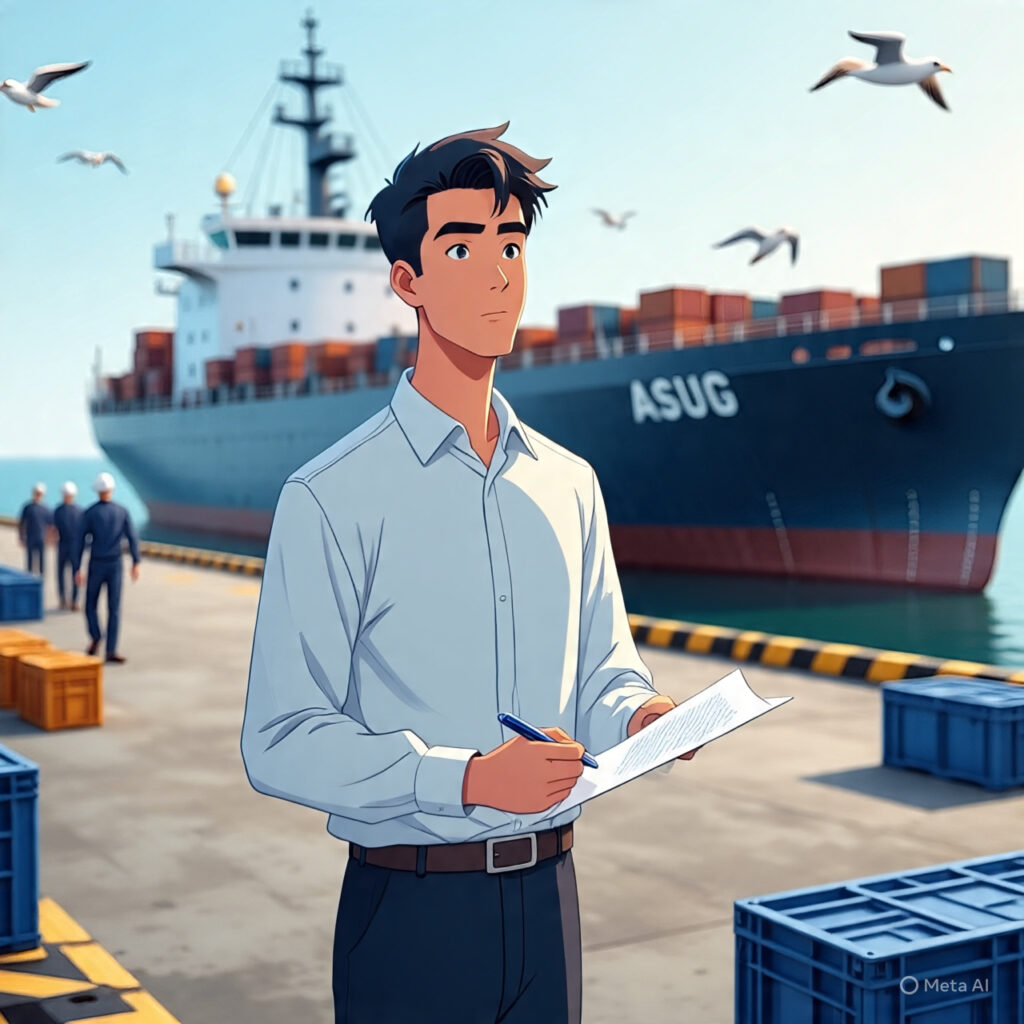
A career at sea offers adventure, technical expertise, and global exposure. However, long contracts, time away from family, and demanding conditions often lead seafarers to think about settling ashore. Shore jobs provide stability, regular working hours, and long-term career prospects while still utilizing valuable maritime experience.
The transition from ship to shore, however, requires planning. Different shore roles demand different ranks, qualifications, and skill sets. In this blog, we will explore the shore job opportunities available for both junior and senior seafarers, along with the qualifications and rank experience required.
Why Seafarers Choose Shore Jobs
- More time with family and a better work-life balance.
- Permanent contracts and stable income.
- Reduced health risks compared to life at sea.
- Opportunities for growth in management and consulting.
Can Junior Officers Get Shore Jobs?
Yes, junior officers can definitely get shore jobs. However, the opportunities may be slightly limited compared to senior officers. Most companies prefer senior ranks for high-responsibility roles like Superintendent or Surveyor. But junior officers can start with entry-level roles in shipping companies, logistics, or crew management, and then grow gradually.
Typical shore jobs for junior officers (2nd Mate, 3rd Mate, 4th Engineer, 3rd Engineer):
- Crewing and Personnel Management
- Port Operations and Cargo Handling
- Logistics and Supply Chain (Shipping companies, freight forwarding)
- Safety & Compliance Executive in shipping firms
- Marine Insurance Assistant / Claims Trainee
- Teaching support roles (after gaining a few years’ sailing experience + additional courses)
So yes—junior officers can make the shift, but they may have to accept lower starting positions compared to their senior colleagues.
Popular Shore Jobs for Seafarers with Rank Experience & Qualifications
1. Marine Superintendent
- Rank Experience Required: Chief Officer/Master for Deck, Chief Engineer/2nd Engineer for Engine.
- Qualifications: Certificate of Competency (CoC), ISM/ISPS courses, management training.
- Role: Oversee ship operations, safety, compliance, and act as company–ship link.
2. Technical Superintendent / Fleet Manager
- Rank Experience Required: 2nd Engineer/Chief Engineer.
- Qualifications: Marine/Mechanical Engineering degree, experience in dry-docking and ship maintenance.
- Role: Handle ship repairs, maintenance, budgeting, and dockyard work.
3. Port and Terminal Operations
- Rank Experience Required: Junior officers (2nd Mate, 3rd Mate, 3rd/4th Engineer) can apply.
- Qualifications: Maritime background, logistics/port management courses preferred.
- Role: Oversee cargo handling, supervise loading/unloading, ensure smooth terminal operations.
4. Ship Surveyor / Classification Societies
- Rank Experience Required: Master/Chief Engineer preferred, sometimes Chief Mate/2nd Engineer.
- Qualifications: Marine Engineering/Naval Architecture degree or CoC, inspection/auditing certifications.
- Role: Conduct ship surveys, compliance checks, and issue certificates.
5. Marine Insurance and Claims
- Rank Experience Required: Mid-level (2nd Officer/2nd Engineer and above).
- Qualifications: Maritime law or P&I courses, MBA in shipping/insurance helpful.
- Role: Handle claims, accident investigations, insurance risk assessment.
6. Maritime Training and Academics
- Rank Experience Required: Chief Mate/Master or 2nd/Chief Engineer.
- Qualifications: DGS-approved faculty course, B.Sc. Nautical Science/Marine Engineering background.
- Role: Train cadets/officers, conduct simulator and safety training.
7. Fleet Personnel Management / Crewing
- Rank Experience Required: Junior or senior officers (even 3rd Officer/4th Engineer can enter).
- Qualifications: HR or shipping management courses (optional), knowledge of STCW/MLC conventions.
- Role: Crew recruitment, scheduling, and welfare management.
8. Logistics and Supply Chain Management
- Rank Experience Required: Junior deck officers with cargo experience (2nd Mate, 3rd Mate).
- Qualifications: MBA/Diploma in Logistics & Supply Chain, shipping management courses.
- Role: Manage cargo movement, warehouse operations, and supply chain planning.
Tips for a Smooth Transition to Shore Jobs

- Plan Early – Start preparing for a shore role before you quit sailing.
- Take Relevant Courses – Short-term certifications or MBAs boost career options.
- Network Widely – Join LinkedIn, shipping forums, and attend maritime events.
- Accept Entry-Level Positions if Needed – Especially for junior officers; use them as stepping stones.
- Highlight Sea Experience – Showcase real-life problem-solving skills in interviews.
Final Thoughts
Whether you are a junior officer planning an early transition or a senior officer aiming for management roles, shore jobs provide a stable career path after sailing. Senior officers can aim for Superintendent or Surveyor positions, while junior officers can start in crewing, logistics, or port operations and gradually grow.
Your sea experience remains your strongest asset—it demonstrates discipline, technical expertise, and crisis management, all of which are highly valued ashore. With the right qualifications and planning, moving from sea to shore can be a rewarding new chapter in your maritime career.
📌 Disclaimer
This blog is for informational purposes only. Requirements for shore jobs may vary by company and country. Candidates are advised to verify qualifications, certifications, and eligibility with official authorities or employers before making career decisions.

Pingback: U.S. Visa Alert for Indian Seafarers (C1/D) - Jhazi Bhaiya G
Pingback: Why CPA and TCPA Do Not Change in STW or SOG? - Jhazi Bhaiya G