Introduction
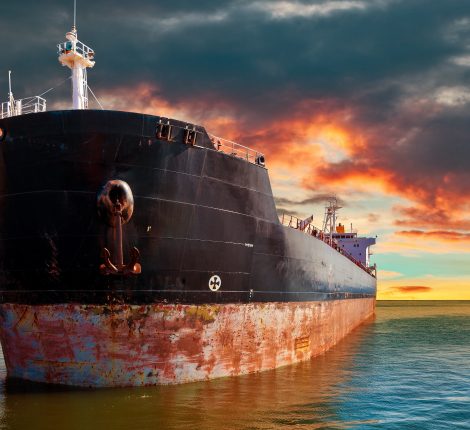
In a landmark case, Shipping Company Fined $2 Million for Maritime Pollution Offense became the latest headline shaking the maritime industry. U.S. authorities fined V.Ships Norway A.S., the manager of oil tanker M/T Swift Winchester, after investigators discovered deliberate attempts to bypass pollution prevention equipment and illegally discharge oily waste into the sea. This case demonstrates the seriousness of maritime environmental crimes and the strict enforcement awaiting offenders.
What Happened Onboard M/T Swift Winchester
The Swift Winchester, a Marshall Islands-flagged tanker managed by V.Ships Norway, carried out one of the most notorious tricks in maritime pollution history—a “magic pipe” operation.
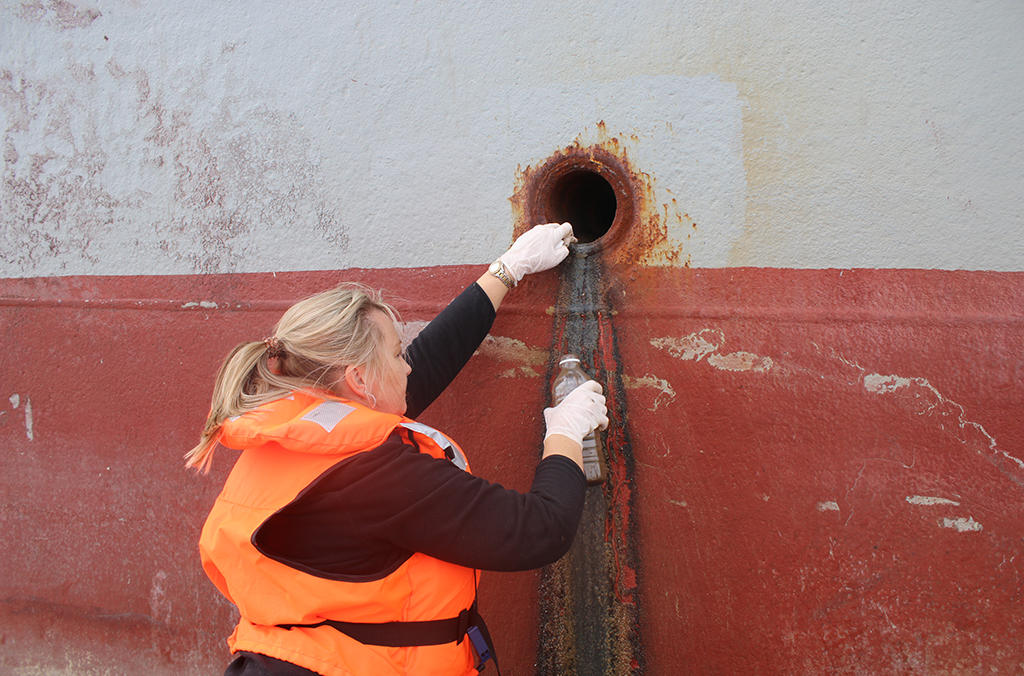
Between February and August 2022, crew members connected a hose from the incinerator’s waste oil tank to the sewage holding tank. This setup allowed them to discharge oily waste directly into the ocean instead of using the ship’s pollution control equipment. Moreover, they falsified the Oil Record Book to hide these discharges.
The violations did not stop there. The Chief Engineer later ordered the crew to clean the Oil Water Separator (OWS) filter on deck with degreaser. As a result, oily residue washed straight overboard—another clear breach of international law.
How Investigators Uncovered the Offense
A courageous crewmember exposed the truth by recording photos and videos of the illegal practices. When the Swift Winchester arrived in Port Arthur, Texas, the whistleblower gave the evidence to the U.S. Coast Guard. Consequently, investigators quickly confirmed the bypass system, uncovered falsified logs, and revealed deliberate attempts to conceal pollution.
Thanks to this whistleblower, the company could not escape responsibility.
Legal Action and Penalties
V.Ships Norway A.S. admitted guilt under the Act to Prevent Pollution from Ships (APPS). U.S. authorities imposed a $2 million fine and placed the company on probation.
During the probation period, every V.Ships-managed vessel visiting U.S. ports must follow a strict Environmental Compliance Plan (ECP). This plan includes independent audits, enhanced crew training, and frequent inspections. Therefore, the company must prove that its ships operate within environmental regulations.
Why This Case Matters
The $2 million fine does more than punish one company—it sends a message to the entire shipping industry. Companies cannot cut corners at the expense of oceans.
Other recent cases support this trend:
- Interorient Marine Services paid $2 million in 2025 for bypassing pollution equipment on the tanker Ridgebury Alexandra Z.
- Gremex Shipping paid $1.75 million after falsifying records linked to illegal bilge waste discharges.
- Misuga Kaiun Co. Ltd. accepted a $1.5 million penalty for oily water discharges from M/V Diamond Queen.
Together, these cases show that whistleblowers, strict enforcement, and heavy fines are reshaping accountability in shipping.
Lessons for the Shipping Industry
- Whistleblowers Create Change – Crew members who speak up often protect oceans from further harm.
- Compliance Requires Action – Companies must view pollution safeguards as obligations, not obstacles.
- Reputation Matters – Firms that violate laws face not only fines but also long-term damage to their business credibility.
Conclusion
The Swift Winchester case acts as a wake-up call for the global shipping sector. A $2 million fine for maritime pollution offense highlights that authorities will not tolerate illegal discharges. With whistleblowers, strict laws, and vigilant enforcement, companies must place environmental responsibility at the core of their operations.


Pingback: Loaded Barge Sinks in Zuari River Near Goa Shipyard - Jhazi Bhaiya G