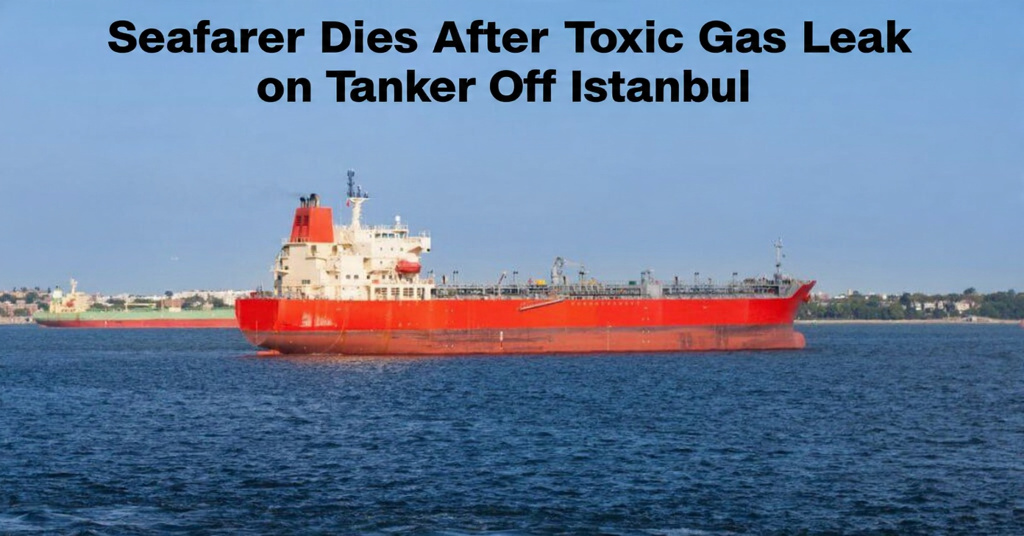
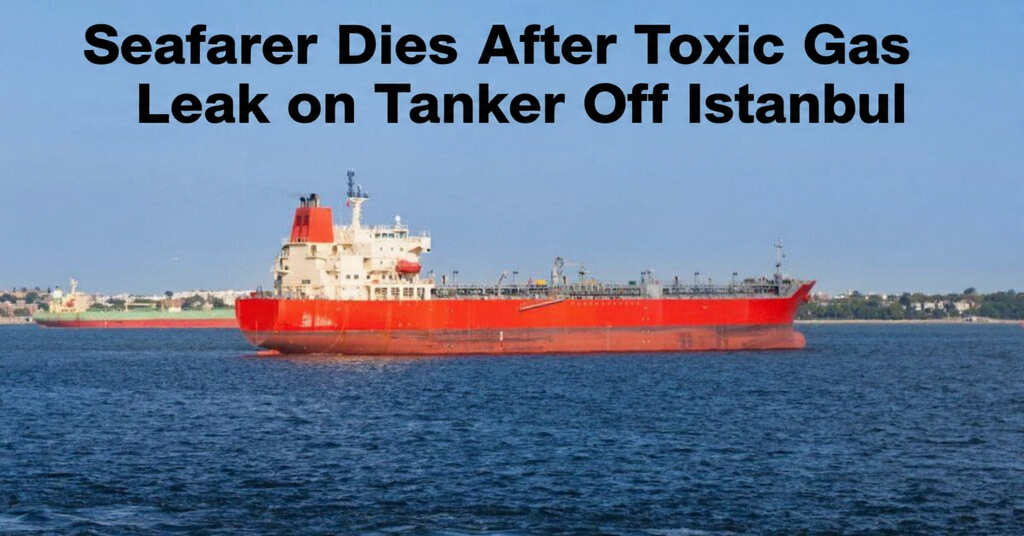
A tragic incident shocked the maritime community when Seafarer Dies After Toxic Gas Leak on Tanker Off Istanbul became the headline of global maritime news. A Russian crew member lost his life after a deadly gas leak occurred on the Panama-flagged tanker Swanlake, anchored in the Sea of Marmara near Istanbul. Because the toxic fumes spread rapidly, two other seafarers also suffered serious injuries and required urgent medical attention.
What Happened
The situation unfolded quickly. After receiving an urgent distress call, Turkish emergency teams rushed to the tanker. When they boarded the vessel, they found that the 32-year-old Russian crew member had already died from gas exposure. Two other seafarers lay unconscious, so the responders transported them to nearby hospitals without delay.
Investigators later learned that the leak came from a slop tank. The crew had been carrying out cleaning work inside the tank, and the fumes built up faster than they could react. Slop tanks often contain harmful gases such as hydrogen sulfide, carbon monoxide, and other toxic vapors, which can overwhelm a person within minutes.
How the Leak Occurred
During tank cleaning, several risks rise sharply. Slop tanks collect oily water, residue, and waste from cargo operations. When these materials mix, they produce extremely dangerous vapors. Because the tank sits in a confined space, the gases cannot escape unless the crew ventilates the area properly.
In this case, investigators believe that toxic fumes accumulated quickly. The team entered the tank without enough ventilation, and the dangerous mixture overpowered them.
Emergency Response
Turkish response teams acted fast and with coordination. The following units arrived at the scene:
- Marine police
- Coast Guard teams
- Hazardous-material response specialists
They boarded the tanker using protective gear, evacuated the injured crew members, and stabilized the scene. Afterwards, officials interviewed the remaining crew and checked the ship’s safety procedures. Because of serious concerns about negligence, authorities detained one of the ship’s officers for questioning.
Safety Issues Highlighted
This incident again shows how dangerous tanker operations can be. Even routine tasks demand strict safety measures.
1. Weak Ventilation Practice
Confined spaces need strong ventilation. Without it, gases build up rapidly and create a deadly atmosphere.
2. Lack of Proper Gas Testing
Before entering a tank, the crew must test the atmosphere and confirm safe levels. Regular checks help prevent sudden exposure.
3. High-Risk Tank Cleaning Conditions
Tank cleaning requires:
- A permit-to-work
- A rescue plan
- Continuous supervision
- Working gas detectors
- Proper communication with the control room
When any of these steps are ignored, the risk increases dramatically.
Why This Incident Matters
Although the shipping industry continues to improve safety standards, this tragedy shows that seafarers still face life-threatening hazards. Many accidents occur because workers enter confined spaces without the right equipment or preparation. Therefore, companies must strengthen safety training and verify that crews follow procedures.
This event also highlights the need for better monitoring of high-risk tasks. Because tank cleaning involves toxic vapors, every step must follow international safety rules.
Next Steps in the Investigation
Authorities will review the tanker’s logs, training records, and equipment condition. They will check whether the crew followed safety guidelines and whether supervisors ensured a safe workplace. After completing the investigation, officials will release a final report that explains the cause, identifies failures, and recommends safety improvements.
Families of the affected seafarers may request compensation, and the ship’s owners may face legal consequences depending on the findings.
Conclusion
The tragedy near Istanbul reminds us that safety must stay at the center of all shipboard operations. Seafarers handle dangerous tasks daily, and even small mistakes can end in disaster. Strong procedures, proper training, and reliable equipment can save lives. Therefore, shipping companies and crews must strictly follow safety rules, especially when entering confined spaces like slop tanks.
✅ Disclaimer:This blog is prepared for informational and educational purposes only. It is not an official investigation report or legal advice. Details are based on available news sources and may evolve as authorities release updated findings. Readers should refer to official maritime authorities and verified reports for final conclusions.