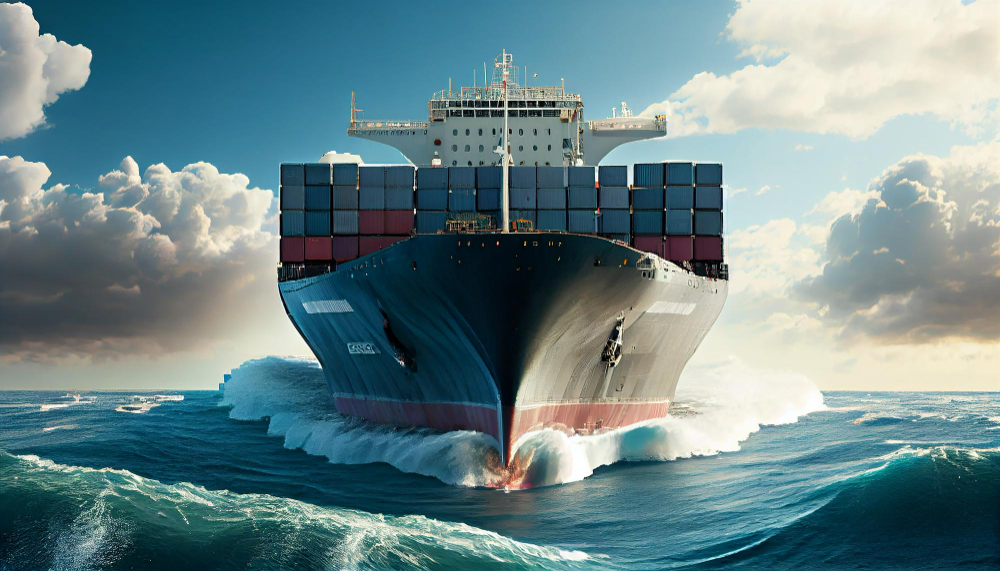
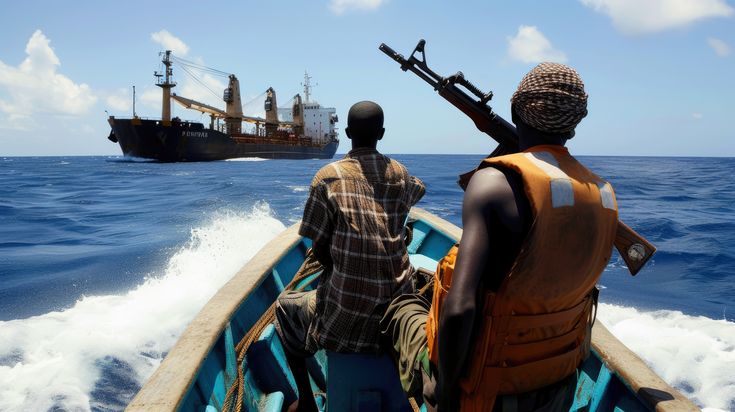
When we think of pirates at sea, images of wooden ships, treasure maps, eye patches, and parrots instantly come to mind—thanks to movies and old folklore. But behind the excitement of these tales lies a darker and more dangerous truth. Pirates at sea have been a real threat to sailors and global trade for centuries. From the fearsome pirates of the 17th century to today’s armed attackers in speedboats, piracy has always been about risk, survival, and power.
A Look Back: The Golden Age of Pirates at Sea
To truly understand pirates at sea, we need to go back to the Golden Age of Piracy, roughly between 1650 and 1730. This was the time when notorious pirates like Blackbeard, Captain Kidd, and Anne Bonny ruled the oceans. Operating in the Caribbean, Atlantic Ocean, and parts of Africa, these pirates looted merchant ships, stole valuable goods, and sometimes took entire ships for themselves.
Interestingly, many pirates during this time were former sailors or navy men who turned to piracy out of frustration—poor pay, harsh treatment, or simply the lure of fast money. For them, piracy offered not just wealth, but freedom from authority and the chance to live by their own rules.
Why Piracy Became Popular
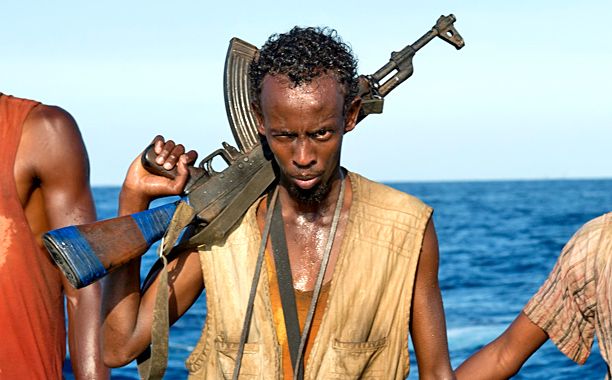
Piracy wasn’t always about gold and jewels. Pirates often targeted cargo ships carrying spices, textiles, sugar, and weapons. They thrived in areas with weak government control or limited naval presence. Economic hardship and political unrest also pushed many toward piracy, making it a common and feared practice in many trade zones.
Modern-Day Pirates: Still a Real Danger
While sword-wielding pirates may belong to history, modern pirates are very much real. Today, pirates use speedboats, GPS, satellite phones, and automatic weapons. They attack ships not just for goods, but to hijack them, demand ransom, and steal expensive cargo. Some of the most dangerous piracy hotspots include:
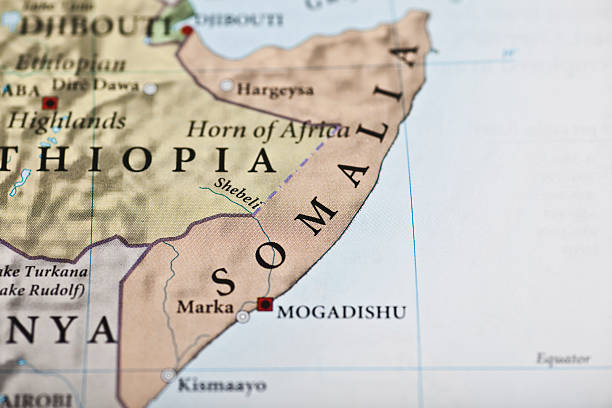
1.The Horn of Africa (Somali coast)
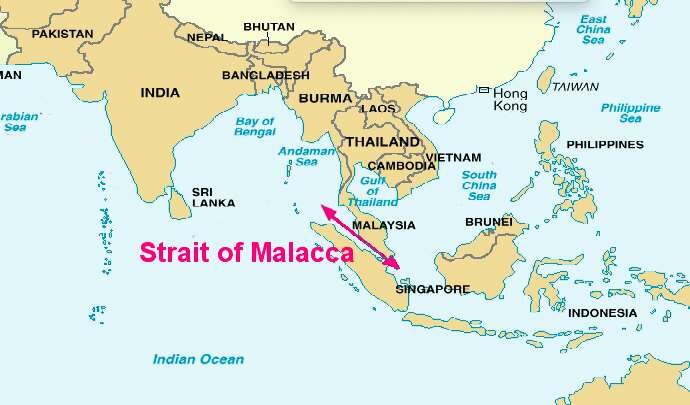
The Strait of Malacca (near Indonesia & Malaysia)
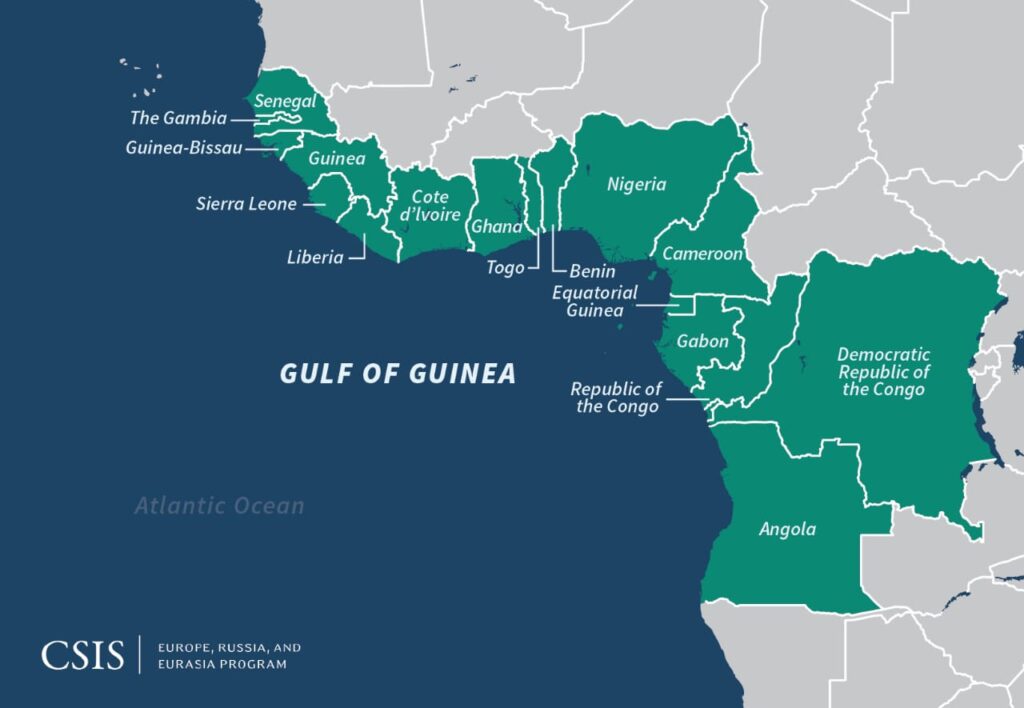
The Gulf of Guinea (off the West African coast)
These pirates often operate in organized gangs and are a major threat to merchant ships, oil tankers, and cargo vessels.
Merchant Navy vs. Modern Piracy
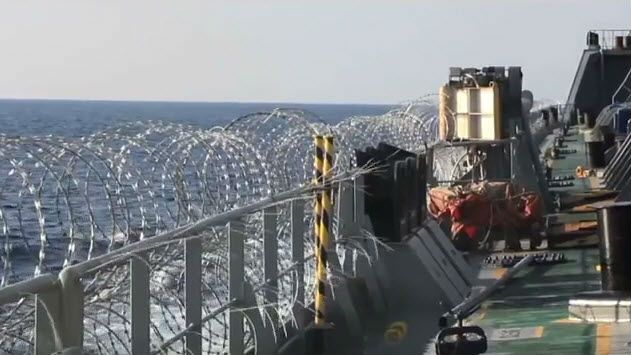
Merchant Navy sailors are trained to deal with piracy. When entering high-risk zones, ships are prepared with:
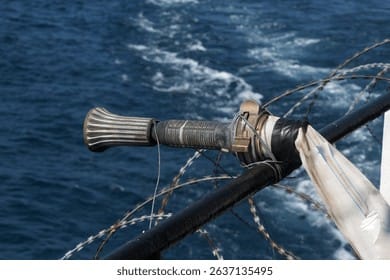
1.Razor wire fences around the deck
2.High-pressure hoses
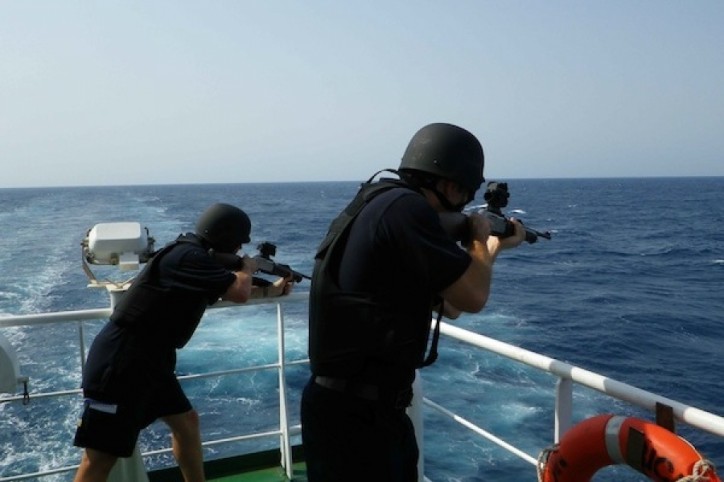
3.Armed security personnel
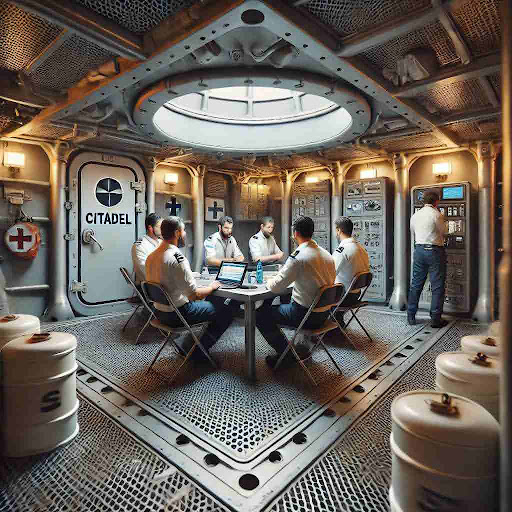
4.Citadels (safe rooms for crew)
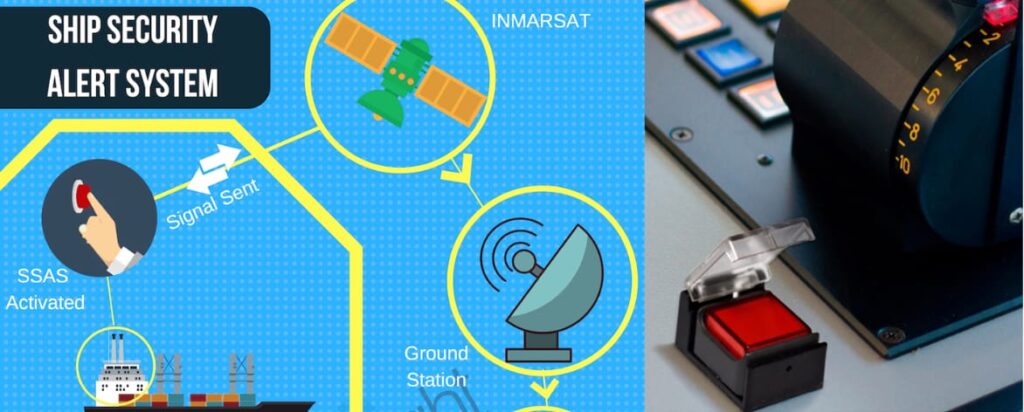
5. 24/7 tracking and communication systems
Naval forces from countries like India, the USA, and the UK also provide support and escort to commercial vessels through dangerous routes. The International Maritime Bureau (IMB) also tracks and reports piracy incidents worldwide.
Pirates in Pop Culture vs. Reality
Thanks to books, games, and movies like Pirates of the Caribbean, the image of pirates has been romanticized. But real-life pirates, both past and present, were violent, ruthless, and a threat to safety and global commerce. The cost of piracy today is not just financial—it puts thousands of innocent lives at risk every year.
Conclusion
Pirates at sea have been part of human history for centuries—shifting from sword-wielding raiders to modern criminals with guns and speedboats. Whether in the 1700s or the 21st century, their impact on maritime life remains dangerous and disruptive. Thanks to the Merchant Navy and international navies, piracy is being fought daily, but the threat still exists. It’s important to stay aware, honor the bravery of seafarers, and remember that piracy is more than just a story—it’s a modern reality.