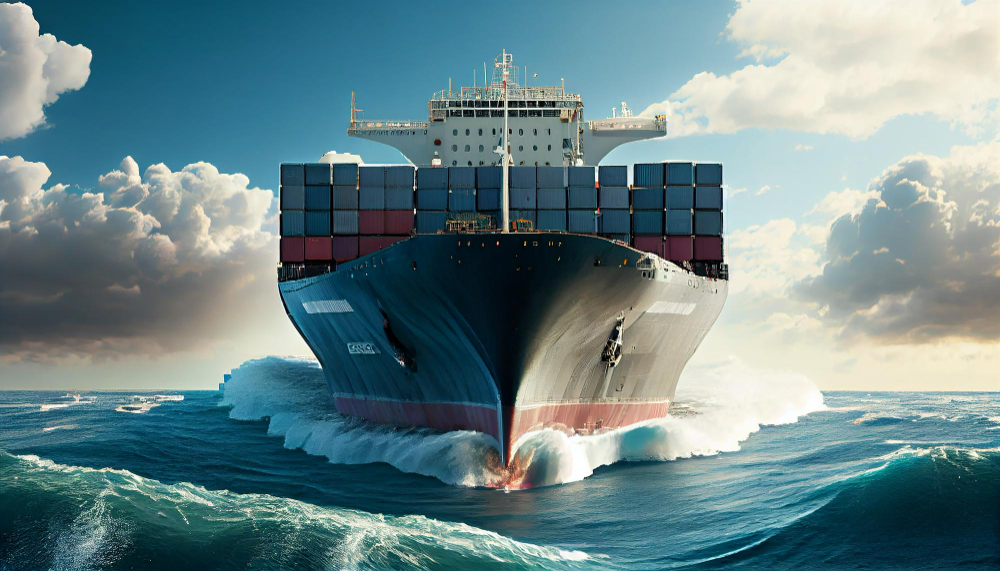
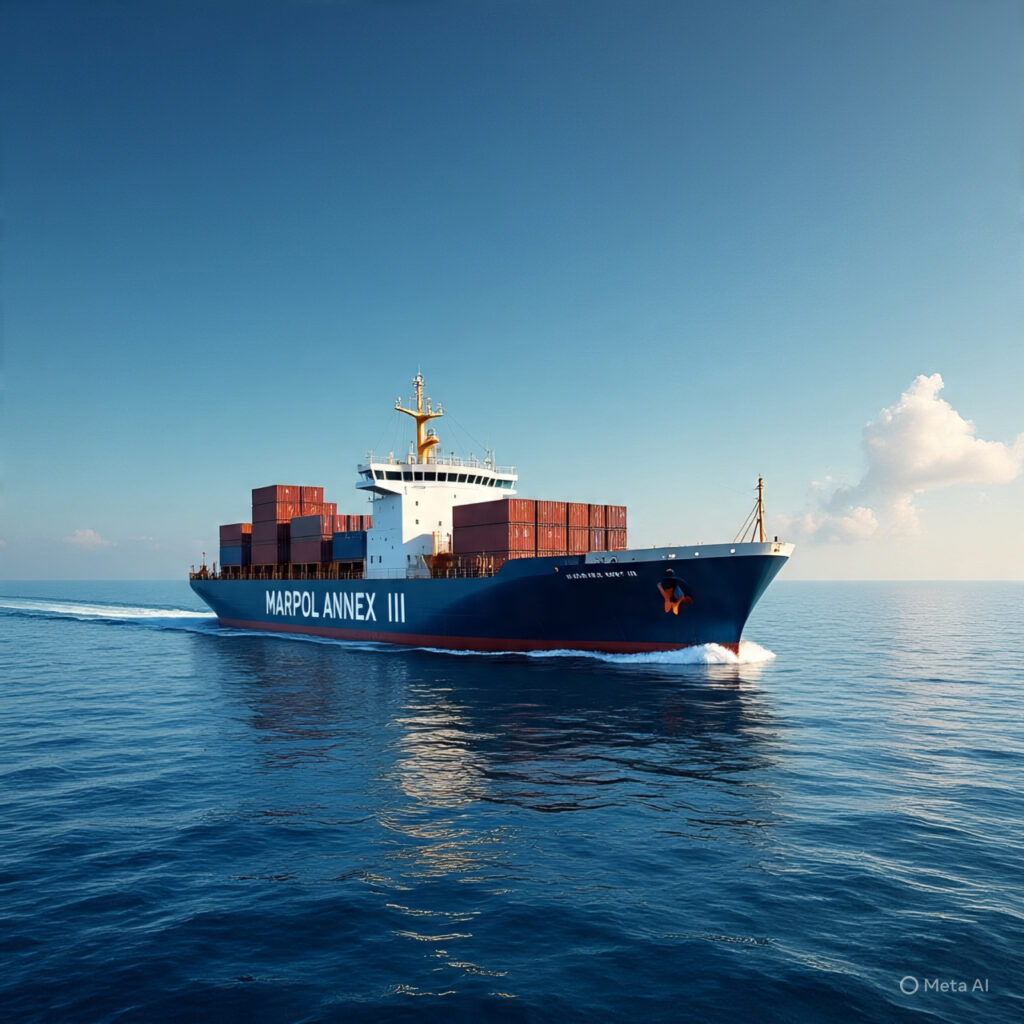
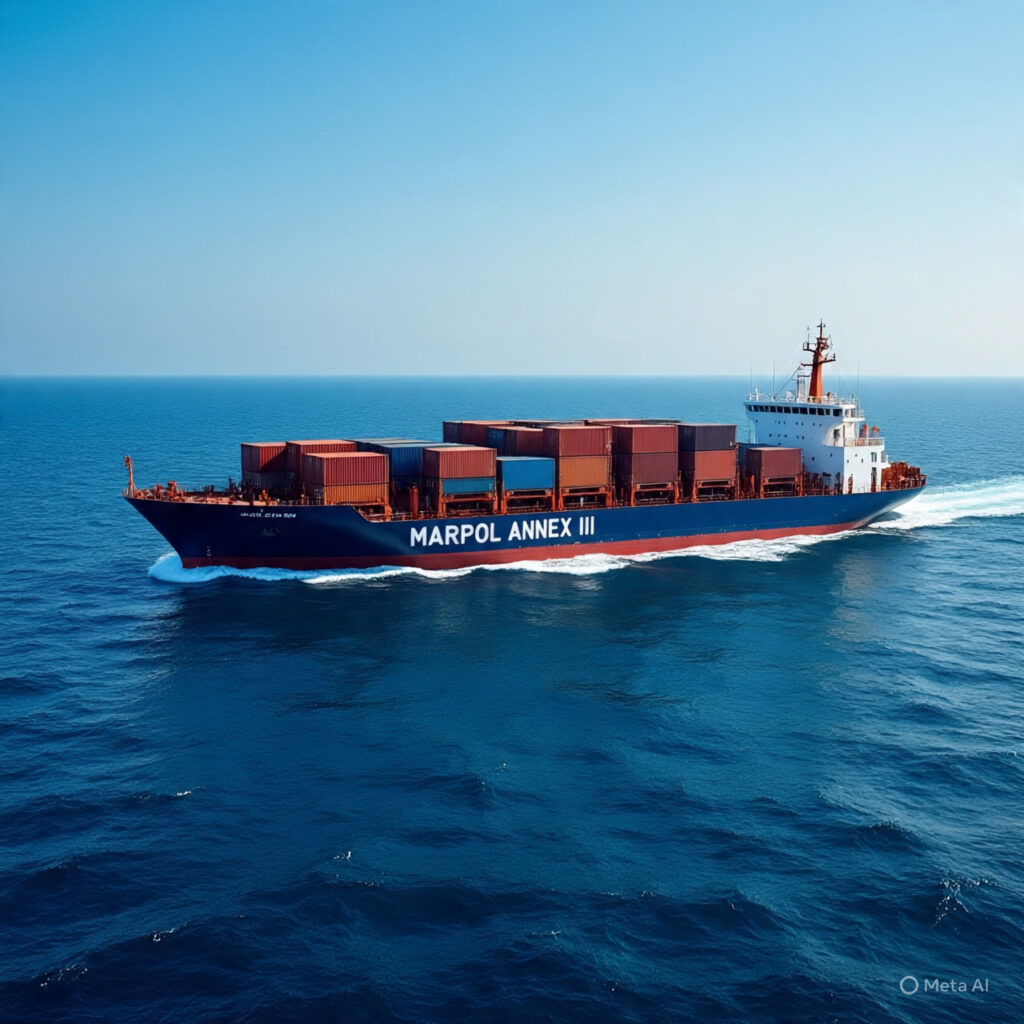
The International Convention for the Prevention of Pollution from Ships (MARPOL 73/78) sets global rules to minimize marine pollution from ships. It consists of six annexes, each focusing on different pollution sources. MARPOL Annex III addresses the Prevention of Pollution by Harmful Substances Carried at Sea in Packaged Form. The annex entered into force on 1 July 1992. Since then, ships carrying packaged harmful substances must follow strict rules to ensure both marine safety and environmental protection.
Objective of MARPOL Annex III
The main objective of MARPOL Annex III is to prevent pollution of the marine environment by harmful substances transported in packaged form. Unlike bulk cargoes, these substances travel in containers, portable tanks, freight vehicles, or barges. Consequently, the risk of spills or improper handling increases.
In addition, MARPOL Annex III works in close coordination with:
- The International Maritime Dangerous Goods (IMDG) Code,
- The SOLAS Convention (Safety of Life at Sea), and
- The United Nations Recommendations on the Transport of Dangerous Goods.
Definition of Harmful Substances
According to MARPOL Annex III, “Harmful Substances” are those classified as marine pollutants in the IMDG Code. These include substances that cause short-term or long-term hazards to marine life when released into the sea.
For example, the list covers:
- Certain chemicals,
- Toxic liquids,
- Hazardous packaged materials, and
- Substances dangerous for aquatic environments.
Key Regulations under MARPOL Annex III
Annex III contains mandatory regulations designed to reduce risks. The rules cover packaging, marking, documentation, stowage, quantity limitations, and emergency measures.
1. Packaging (Regulation 2)
- Shippers must use strong and durable packaging that prevents leakage or spillage.
- The packaging standards follow the IMDG Code.
2. Marking and Labeling (Regulation 3)
- Every package containing harmful substances displays the Marine Pollutant Mark (a black fish and tree symbol on a white background).
- This clear marking allows quick identification in case of emergencies.
3. Documentation (Regulation 4)
- Shipping documents include a declaration stating that the cargo is harmful to the marine environment.
- This information guides port authorities and crew in safe handling.
4. Stowage (Regulation 5)
- Crew members must stow cargo securely to avoid accidental leakage.
- Moreover, they should never place harmful substances near food or heat sources.
5. Quantity Limitations (Regulation 6)
- Certain harmful substances face quantity restrictions depending on ship type and voyage.
6. Exceptions (Regulation 7)
- Ships may discharge harmful substances only under special conditions such as saving human life or ensuring ship safety.
7. Emergency Measures (Regulation 8–9)
- If harmful substances spill accidentally, the crew must report the incident immediately to coastal states.
- They must also follow emergency procedures for containment and clean-up.
Implementation and Enforcement
Flag states and port states ensure compliance with Annex III. To achieve this, ships must:
- Follow IMDG Code provisions for packaging, marking, and labeling,
- Maintain accurate cargo records, and
- Train crew in safe handling of harmful substances.
Furthermore, Port State Control (PSC) inspections play an important role in checking documentation, packaging, and stowage.
Amendments to MARPOL Annex III
The International Maritime Organization (IMO) regularly amends Annex III to align with updates in the IMDG Code. For instance:
- The 2010 amendments made the IMDG Code mandatory.
- Subsequent revisions introduced updates in chemical classification and labeling systems.
Therefore, shipping companies must keep up with the latest amendments to ensure compliance.
Importance of MARPOL Annex III
MARPOL Annex III remains important because:
- It prevents toxic and hazardous packaged cargoes from damaging marine ecosystems.
- It promotes safe handling and transport of harmful substances.
- It provides international consistency through alignment with the IMDG Code.
- It reduces the likelihood of marine pollution accidents caused by packaged goods.
Moreover, compliance strengthens the industry’s reputation for responsible shipping practices.
Conclusion
MARPOL Annex III plays a vital role in safeguarding the marine environment by regulating harmful substances in packaged form. By enforcing strict rules on packaging, marking, labeling, documentation, and stowage, the annex ensures that shipping companies and crew handle dangerous goods responsibly.
In today’s world, where maritime trade continues to grow rapidly, compliance with MARPOL Annex III is not just a legal requirement but also an environmental duty. Together with the IMDG Code, it contributes significantly to keeping our oceans safe, clean, and sustainable.
✅ Disclaimer: This blog is for educational purposes and general awareness. For professional use, always refer to the latest official MARPOL text and the IMDG Code.