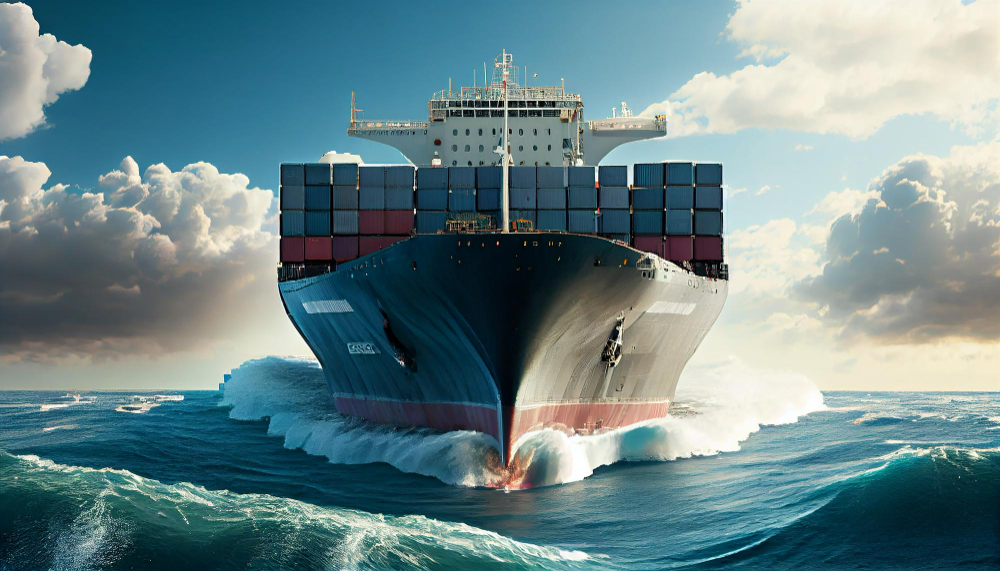
The maritime industry handles global trade daily, creating legal challenges that require expert guidance. A Maritime Lawyer: Job Description focuses on explaining the vital role these legal professionals play in resolving disputes related to shipping, seafarers’ rights, marine accidents, and international regulations. Their expertise ensures smooth maritime operations and protects the interests of shipowners, cargo companies, and seafarers.
Who Is a Maritime Lawyer?
A maritime lawyer is a legal professional who deals with laws related to shipping, marine navigation, seafarer rights, port operations, maritime injuries, cargo disputes, and international marine regulations. This field is governed by Admiralty Law, a specialised branch of law followed worldwide.
Maritime lawyers work closely with shipping companies, P&I Clubs, marine insurers, port authorities, and injured seafarers.
Key Responsibilities of a Maritime Lawyer
1. Handling Maritime Accidents and Claims
Maritime lawyers investigate collisions, groundings, engine failures, cargo loss, pollution incidents, and unsafe working conditions. They help affected parties file claims or defend against accusations.
2. Representing Seafarers in Injury or Salary Disputes
They assist seafarers with issues such as unpaid wages, unsafe working conditions, medical negligence, abandonment, or workplace injuries under laws like:
- Maritime Labour Convention (MLC)
- STCW requirements
- National shipping regulations
3. Drafting and Reviewing Shipping Contracts
They prepare and verify important maritime documents, including:
- Charter party agreements
- Bills of lading
- Marine insurance policies
- Sale and purchase contracts
- Salvage agreements
4. Dealing With Cargo Disputes
Maritime lawyers represent shippers, cargo owners, or carriers in cases involving damaged, lost, or contaminated cargo.
5. Advising on International Maritime Regulations
They ensure compliance with conventions like:
- SOLAS
- MARPOL
- Load Line Convention
- ISM Code
- IMO guidelines
Their guidance helps shipping companies avoid penalties, detentions, and legal complications.
6. Representing Clients in Court and Arbitration
Disputes may go to:
- High Courts (Admiralty jurisdiction)
- International arbitration centers
- Marine claims tribunals
Maritime lawyers defend or represent clients throughout these legal processes.
Essential Skills of a Maritime Lawyer
To succeed in this field, a maritime lawyer must have:
- Deep knowledge of admiralty law and international maritime conventions
- Strong communication and negotiation abilities
- Investigative skills for understanding marine incidents
- Contract drafting expertise
- Confidence in handling court procedures
- Ability to work under pressure during emergency maritime disputes
Where Do Maritime Lawyers Work?
They can work in:
- Maritime law firms
- Shipping companies
- Port authorities
- Marine insurance companies
- P&I Clubs
- Government maritime departments
- International maritime organisations
Some operate as independent consultants.
Why Maritime Lawyers Are Important
The maritime industry involves high-value cargo, international jurisdictions, and strict safety laws. Maritime lawyers ensure that disputes are handled legally, seafarers receive justice, and companies operate safely and responsibly. Their expertise helps maintain smooth global trade and protects stakeholders across the marine sector.
Conclusion
A maritime lawyer plays a vital role in the global shipping industry by resolving disputes, ensuring compliance with international laws, and protecting the rights of seafarers and shipowners. With the growth of international trade, their demand and importance continue to rise.
Disclaimer:The information in this blog is provided for general knowledge and educational purposes only. Although efforts have been made to ensure accuracy, the author and website do not guarantee completeness or reliability. This content is not professional legal advice. Readers should consult qualified maritime or legal experts before making decisions. The website and author are not responsible for any losses, actions, or damages resulting from the use of this information.