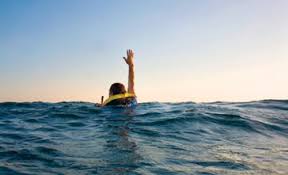
Man Overboard (MOB) is one of the most critical emergencies at sea, demanding immediate attention and flawless teamwork. Man Overboard Steps to Save a Life emphasizes that quick, coordinated, and effective action can mean the difference between survival and tragedy. In the merchant navy and all maritime operations, every crew member must be thoroughly trained in recognizing an MOB situation, raising the alarm, and executing the correct rescue maneuvers. From maintaining constant visual contact to using lifesaving equipment and precise ship handling, preparedness ensures that safety remains the top priority when every second truly matters.
Understanding MOB Situations
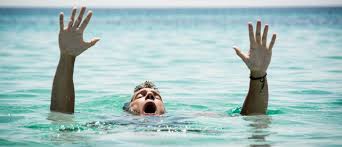
A Man Overboard situation occurs when a person accidentally falls into the water from a ship, boat, or offshore platform. The risks include drowning, hypothermia, and injury from ship propellers or waves. The golden rule is “Time is Life”—the sooner you act, the higher the chances of survival.
Immediate Actions After MOB
1. Raise the Alarm
- Shout loudly: “Man Overboard!”
- Inform the bridge immediately using the ship’s internal communication system.
- Sound the MOB alarm to alert all crew members.
2. Mark the Position
- Press the MOB button on the GPS or ECDIS to record the exact coordinates.
- Throw a lifebuoy with light and smoke in the water to mark the spot visually.
3. Maintain Visual Contact
- Assign one crew member to keep constant eye contact with the person in the water.
- Point continuously toward the MOB until rescue is complete.
Ship Handling in MOB Rescue
1. Anderson Turn
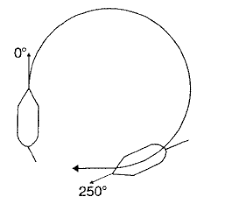
- Known as the quickest recovery maneuver.
- Ideal when the casualty remains clearly visible.
- Involves an immediate hard rudder toward the casualty, deviating approximately 250°, then steering midship and stopping near the casualty
2. Williamson Turn
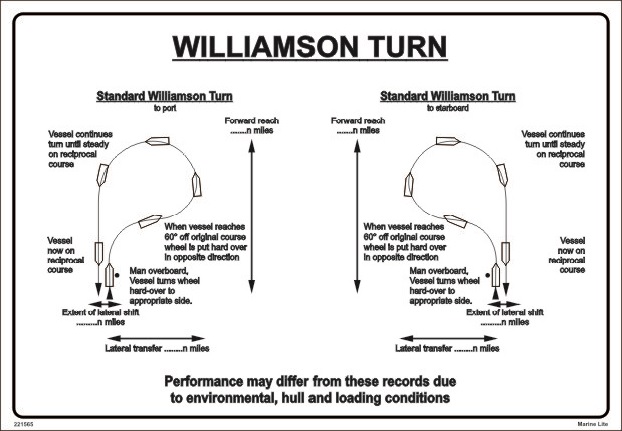
- Used when the casualty may be obscured or in reduced visibility.
- Sequence: hard rudder toward casualty, then opposite rudder after about 60°, steering midship as the heading comes within 20° of reciprocal course.
- Slower but brings the vessel onto a reciprocal heading to retrace its path .
3. Scharnow Turn
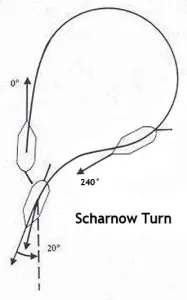
- Suited for situations where the person overboard is significantly astern.
- Procedure: hard rudder to one side, then opposite rudder after ~240°, steering midship as heading nears reciprocal course.
- Efficiently returns the ship along its own wake
Quick Comparison
| Maneuver | Best For | Key Action Steps |
|---|---|---|
| Anderson Turn | Immediate actions, clear sight of casualty | Hard rudder → ~250° turn → midship → approach casualty |
| Williamson Turn | Low visibility or casualty lost from sight | Hard rudder → ~60° turn → opposite rudder → reciprocal course |
| Scharnow Turn | Casualty far astern | Hard rudder → ~240° turn → opposite rudder → reciprocal course |
Recovery of the Person
- Approach the MOB from downwind or leeward side to create a calmer sea.
- Reduce speed to minimum steerage.
- Deploy a rescue boat if conditions allow, with trained crew and first aid ready.
- Use lifesaving appliances like a life sling, heaving line, or scramble net.
- Ensure the propeller is stopped before bringing the casualty alongside.
First Aid After Recovery
- Check for breathing and pulse.
- Begin CPR if necessary.
- Treat for hypothermia by removing wet clothes, wrapping in blankets, and giving warm fluids if conscious.
- Provide medical attention and log the incident.
Key Safety Tips
- Regular MOB drills are essential for all crew.
- Always wear a personal flotation device (PFD) when on deck.
- Ensure lifebuoys, lights, and smoke signals are in working order.
Final Thoughts
Knowing how to rescue after MOB is not just a skill—it’s a lifesaving responsibility. Every second counts, so quick reaction, teamwork, and precise execution are vital. With regular training and awareness, the risk of tragedy at sea can be significantly reduced.