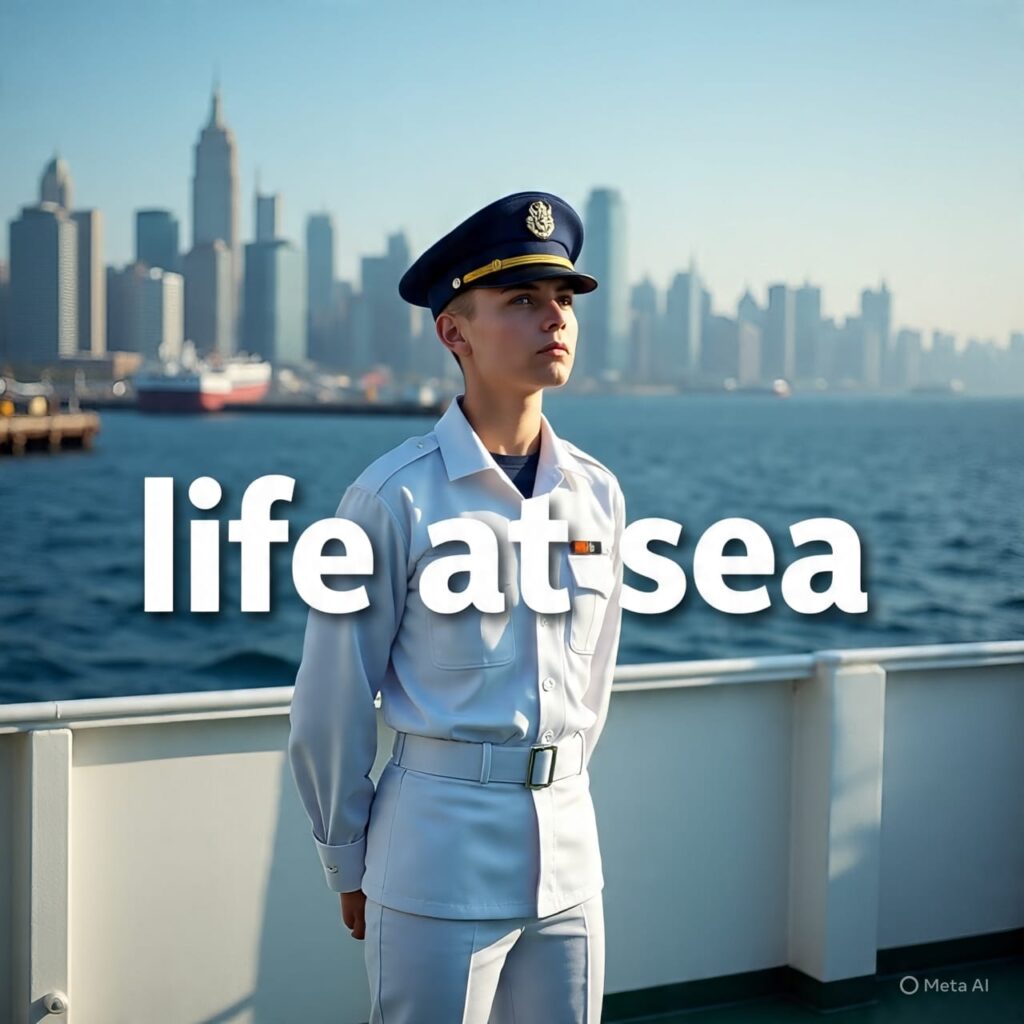
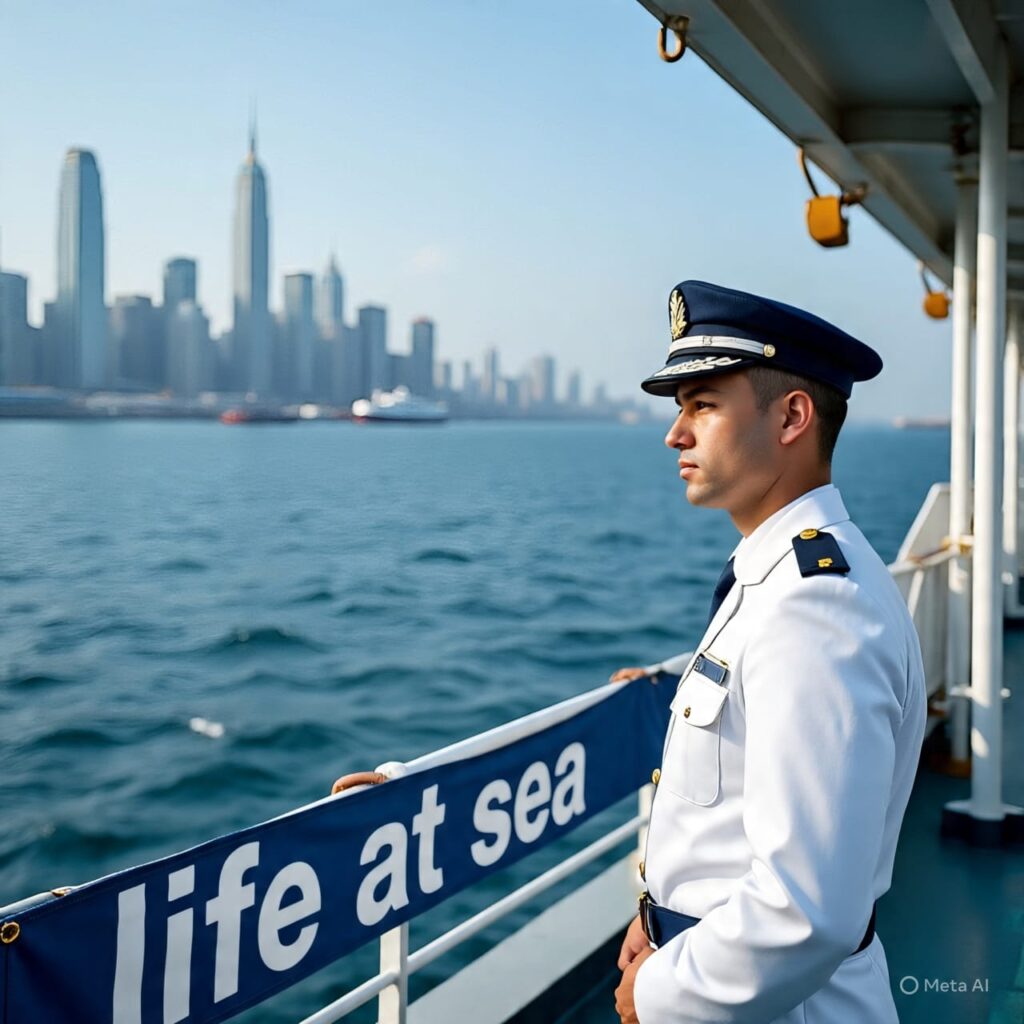
Have you ever wondered what it’s really like to live and work on the open ocean? Life at Sea in Merchant Navy is unlike any other profession—for officers, the sea isn’t just a workplace, it’s a way of life. From the moment you step aboard a massive cargo ship, the horizon becomes your daily view, and the hum of the engines replaces city traffic. Each day brings new challenges, new routines, and unforgettable experiences that shape both your career and your character.
A Typical Day at Sea
The day begins early, often around 6 am, with the officer waking up in a compact cabin and grabbing a quick breakfast in the mess hall. By 7 to 8 am, it’s time for the morning watch on the bridge. Here, the officer checks navigation charts, monitors weather reports, and ensures the ship remains on its planned course.
The morning hours are busy with inspections, log updates, and communication with nearby vessels. Every decision matters—whether it’s adjusting the ship’s speed to conserve fuel or altering the route to avoid a storm.
By midday, duties shift towards supervising the crew, coordinating with engineers in the engine room, and handling administrative work like updating reports and filing maintenance checks. The day doesn’t slow down until the evening handover, when another officer takes over the watch.
Morning Inspections and Pre-Departure Checks
Before any voyage, the ship undergoes a thorough inspection.
- Engine Room Team: Checks engines, pumps, and fuel systems.
- Deck Crew: Inspects lifeboats, firefighting gear, and anchoring equipment.
- Bridge Officers: Ensure all navigation charts, radars, and communication systems are up to date.
Once everything is cleared, the vessel sets sail. The officer’s role is to monitor instruments, give commands to the helmsman, and maintain constant vigilance. A single error could mean costly delays—or worse, accidents at sea.
Navigating and Operating the Vessel
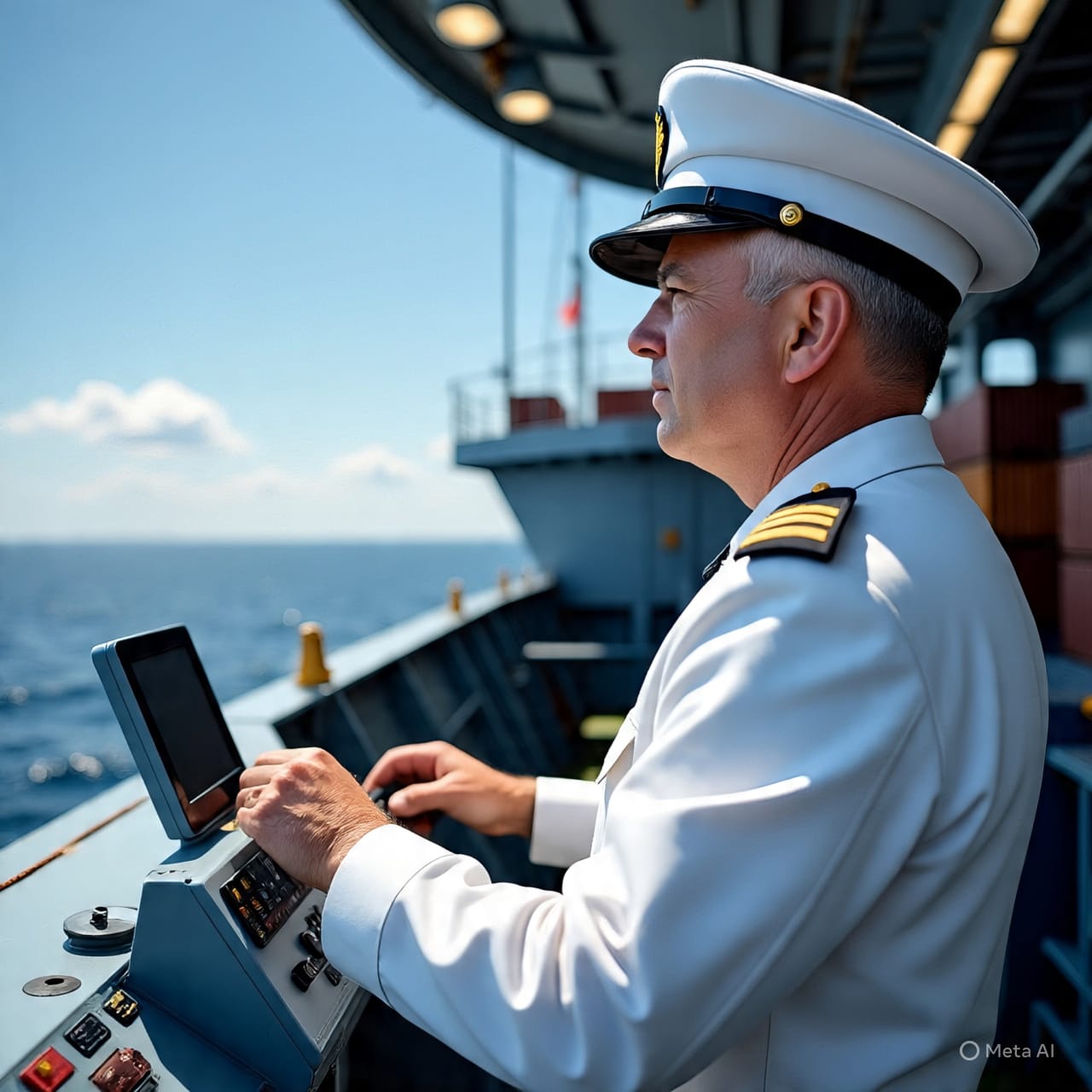
Navigation is one of the most critical parts of an officer’s job. Hours are spent on the bridge, checking:
- Radar for approaching ships
- GPS for precise positioning
- Sonar and depth sounders for shallow waters
- Weather forecasts for rough seas
Based on these readings, officers must adjust the ship’s course or speed. Sometimes this means slowing down in narrow channels, at other times increasing speed to ride through rough weather. Quick thinking and decision-making under pressure are vital skills at sea.
The Challenges of Life at Sea
Seafaring life isn’t easy. The biggest challenge is isolation—being away from family and friends for months at a time. Birthdays, weddings, and festivals are often missed. Living in confined spaces with the same crew can also test patience and discipline.
Work hours are long and demanding. Officers often work 12-hour shifts, seven days a week. There’s little room for error when you’re responsible for millions of dollars’ worth of cargo and the safety of the crew. Storms, emergencies, and mechanical issues add to the stress.
Yet, despite these challenges, many sailors say the ocean teaches resilience and patience like nothing else.
Rewards of a Seafaring Career
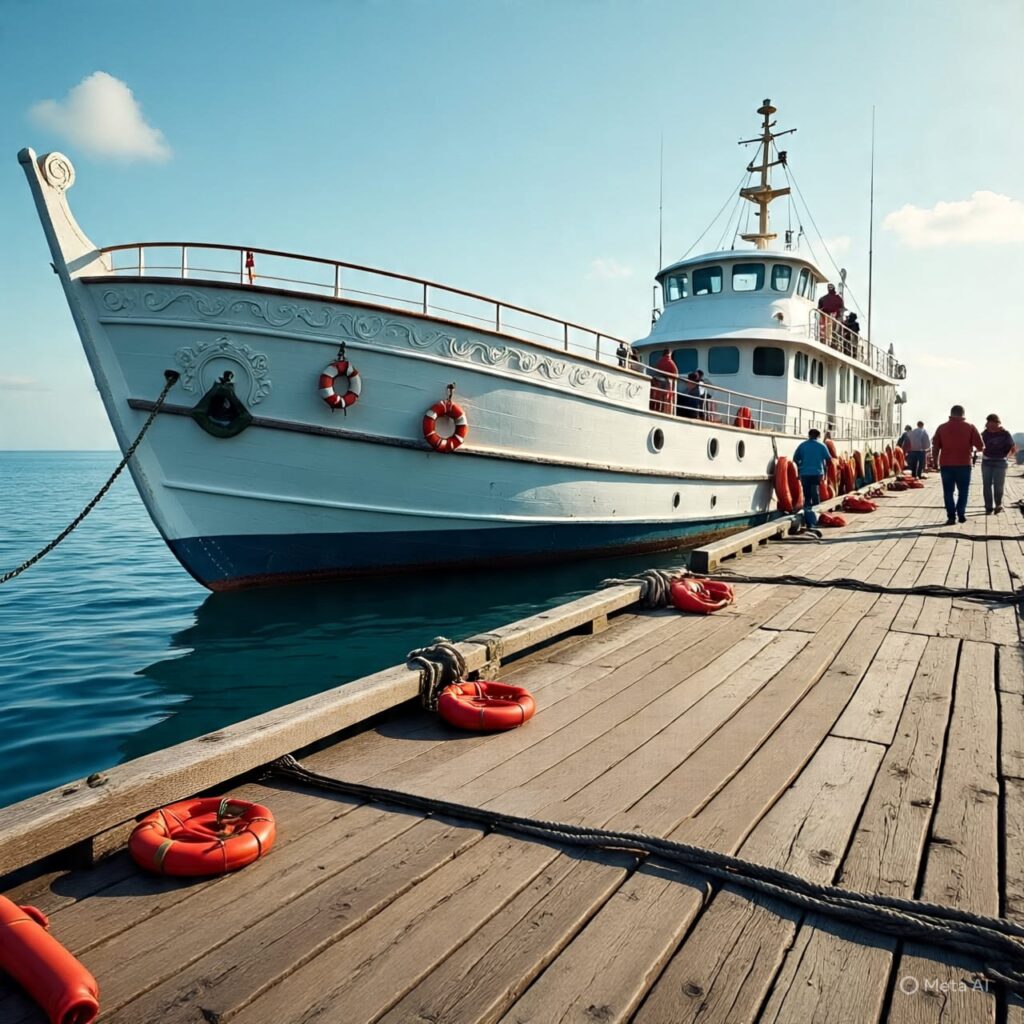
For every challenge, there are equally powerful rewards:
- Adventure: Traveling across continents and docking at ports around the world.
- Natural Beauty: Witnessing breathtaking sunsets, spotting dolphins, or gazing at the stars in the middle of the ocean.
- Camaraderie: Developing lifelong friendships with fellow officers and crew.
- Career Benefits: High salaries, extended leave after contracts, and opportunities for career advancement.
These experiences make the hardships worthwhile, turning each voyage into a new adventure.
Leisure and Free Time on Board

Despite the tough schedule, officers do get downtime. Leisure activities at sea include:
- Exercise: Jogging on deck or using the ship’s gym.
- Socialising: Watching movies in the common lounge, playing cards, or chatting over meals.
- Hobbies: Reading, photography, playing instruments, or even online courses.
- Relaxation: Stargazing on deck, enjoying a sunset, or simply catching up on rest.
Small moments of peace at sea are often the most memorable.
The Bigger Picture
Being a Merchant Navy officer is about more than just steering a ship. It’s about leadership, responsibility, and contributing to global trade. More than 90% of the world’s goods are transported by sea, and officers play a direct role in keeping international supply chains running. From food and clothing to cars and electronics, much of what we use daily arrives thanks to merchant mariners.
Conclusion
Life at sea isn’t for everyone—it demands hard work, discipline, and the ability to cope with long separations from home. But for those with a thirst for adventure and a desire to see the world, it offers a lifestyle unlike any other.
Every voyage is a reminder of the vastness of the ocean and the small yet vital role humans play in connecting the world. From the thrill of navigating through storms to the calm of watching the sunrise over the horizon, being a Merchant Navy officer is both challenging and rewarding.
For those who feel the call of the sea, the Merchant Navy isn’t just a career—it’s a life filled with adventure, discovery, and purpose.