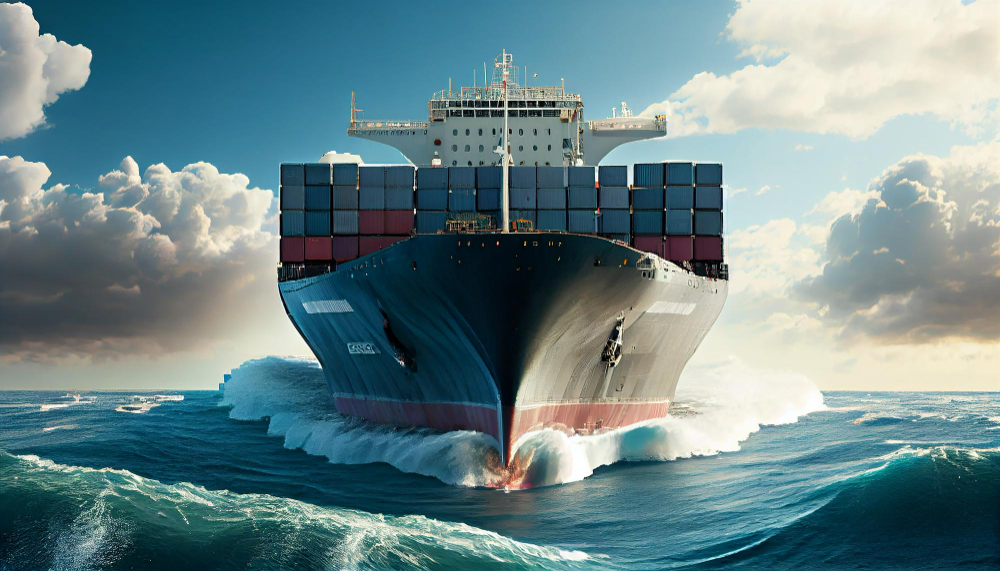
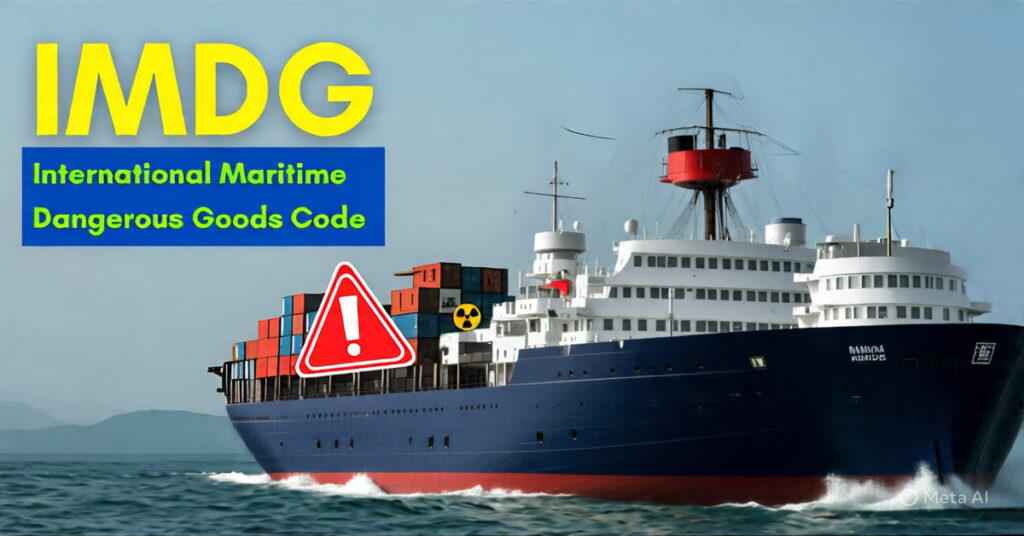
Transporting dangerous goods by sea is a vital part of global trade. Every day, ships carry thousands of containers filled with chemicals, flammable liquids, gases, and other hazardous substances. To ensure these cargoes travel safely, the International Maritime Dangerous Goods (IMDG) Code sets clear rules and procedures. Understanding IMDG cargo is essential for seafarers, ship operators, and even logistics companies involved in maritime transport.
What is IMDG Cargo?
IMDG cargo refers to any dangerous or hazardous material defined by the International Maritime Organization (IMO). These materials can harm people, property, or the environment if handled incorrectly. The IMDG Code gives detailed instructions on how to classify, pack, label, document, store, and transport these goods safely across oceans.
Why the IMDG Code Matters
Following the IMDG Code is not optional. It is mandatory under SOLAS (Safety of Life at Sea) Chapter VII. Compliance ensures three major things:
- Safety of Life: It reduces the risk of accidents such as explosions, fires, or chemical leaks onboard.
- Environmental Protection: It minimizes pollution and protects marine ecosystems.
- Global Standardization: It ensures that dangerous goods are handled the same way in every port worldwide.
IMDG Cargo Classes
The IMDG Code divides dangerous goods into nine classes based on their hazards. Each class covers a different type of risk:
- Class 1 – Explosives: Fireworks, ammunition, and detonators.
- Class 2 – Gases: LPG, oxygen cylinders, and acetylene.
- Class 3 – Flammable Liquids: Petrol, diesel, paint, and alcohol.
- Class 4 – Flammable Solids: Matches, sulfur, and metal powders.
- Class 5 – Oxidizers and Organic Peroxides: Hydrogen peroxide and sodium nitrate.
- Class 6 – Toxic and Infectious Substances: Pesticides, poisons, and medical waste.
- Class 7 – Radioactive Material: Nuclear fuel and medical isotopes.
- Class 8 – Corrosives: Acids, alkalis, and cleaning chemicals.
- Class 9 – Miscellaneous Dangerous Substances: Lithium batteries, asbestos, and dry ice.
Understanding these classes helps crew members plan safe loading, segregation, and emergency responses.
Key Documentation for IMDG Cargo
Accurate paperwork is vital for safe shipping. Without proper documents, cargo may face delays, penalties, or rejection. The main documents include:
- Dangerous Goods Declaration (DGD): Shippers must declare the type, quantity, and hazards of the cargo.
- Material Safety Data Sheet (MSDS): It provides safety, handling, and emergency response details.
- Packing Certificate: It confirms that goods are packed according to IMDG standards.
- Emergency Response Information: It explains what to do in case of a spill, leak, or fire.
Packaging, Labeling, and Marking
Correct packaging prevents leaks, contamination, and accidents during transport. IMDG cargo must be packed in UN-certified containers that can handle pressure, temperature changes, and rough handling.
Additionally, containers must have clear hazard labels and UN numbers. These markings help seafarers, port workers, and emergency teams identify risks quickly and respond effectively if something goes wrong.
Stowage and Segregation
Where and how you store dangerous goods onboard is critical for safety. The IMDG Code provides clear rules for stowage and segregation:
- Keep hazardous materials away from heat sources and crew living areas.
- Never store incompatible cargoes (like acids and cyanides) together.
- Use proper ventilation and fire suppression systems in cargo spaces.
Following these rules significantly reduces the risk of accidents during a voyage.
Training for Seafarers
Every crew member involved in handling IMDG cargo must complete mandatory IMDG Code training. This training helps them:
- Identify dangerous goods correctly.
- Follow loading, unloading, and segregation procedures.
- Respond quickly and safely to onboard incidents.
Continuous training ensures that even new crew members understand their responsibilities and react effectively during emergencies.
Latest IMDG Code Updates
The IMDG Code is updated every two years to reflect new safety requirements and cargo types. The latest edition, Amendment 41-22, became mandatory in January 2024. It introduces updated packing instructions, segregation guidelines, and revised classifications for several substances, including lithium batteries. Staying updated with these changes is essential for compliance.
Conclusion
Handling IMDG cargo requires strict attention to safety rules, proper documentation, and continuous training. By following the IMDG Code, seafarers not only protect lives and the environment but also ensure the smooth flow of global trade. Remember, even a small mistake can lead to serious accidents. Therefore, understanding and applying IMDG guidelines is a crucial part of every seafarer’s professional duty.
📌 Disclaimer
This blog is for educational purposes only. It simplifies IMO guidelines and should not replace the official IMDG Code. Always follow company procedures and updated regulations when handling dangerous goods.