How to Become a Marine Pilot is a journey toward one of the most prestigious and specialized careers within the merchant navy. Pilots board inbound vessels to navigate them safely through hazardous or congested waters, leveraging expert local knowledge of tides, currents, and port-specific navigation challenges (Wikipedia). Here’s how you can navigate the path from a merchant navy officer to becoming a marine pilot, particularly in the Indian context.
What Does a Marine Pilot Do?
Ships are required by law, in most major ports, to take aboard pilots well-versed in local waters—depths, hazards, current, and traffic. (Wikipedia)
Boarding typically occurs at designated pilot zones, often via a pilot boat or helicopter, which can be risky and demanding. (Wikipedia)
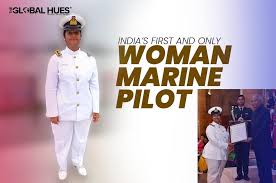
First lady marine pilot (India): Reshma Nilofer Visalakshi—also known as Reshma Nilofer Naha—became India’s first woman marine (river) pilot after qualifying in 2018 at the (then) Kolkata Port Trust, now Syama Prasad Mookerjee Port. She guides ships on the Hooghly River channel and received the Nari Shakti Puraskar in 2019 for her achievements.
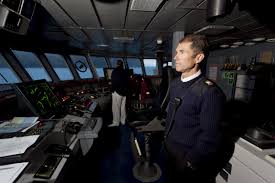
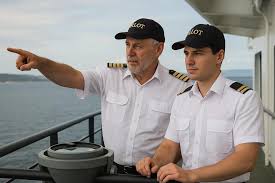
While on board, the pilot advises on navigation but remains under the ship’s master’s authority, except in certain waterways like the Panama Canal where they assume full control.
Step-by-Step Path to Becoming a Marine Pilot (India Focus)
1. Build Your Foundation: Get Your Master’s Certificate of Competency (COC)
- The first requirement is holding a Master’s Certificate of Competency (FG) issued by the Ministry of Shipping (India) or an equivalent recognized by DG Shipping .
- This typically involves completing a B.Sc. in Nautical Science or Marine Engineering and undergoing STCW (Standards of Training, Certification, and Watchkeeping for Seafarers)–compliant training.
2. Gain Sea Experience
- Accumulate a minimum of 1 year of post-qualification sea service as either Master or Chief Officer aboard a foreign-going vessel.
- In many countries outside India, longer experience is required—e.g., France mandates at least 72 months (6 years) of sea time, including specific watchkeeping aboard merchant or government vessels.
3. Meet Age and Fitness Requirements
- In India, applicants must be medically fit per DG Shipping norms, typically with an upper age limit of around 55 years .
- Other countries may set different age caps—e.g., France sets the age between 24 and 35 years pilotes-maritimes.com.
4. Watch Port Notifications and Apply
- Monitor recruitment bulletins from your nearest port; Marine Pilot vacancies appear occasionally and vary by public/private port π .
- Applications for public ports usually follow uniform procedures under acts like the Major Ports Trust Act of 1963 .
5. Complete Entry-Level Training
- Selected candidates undergo an initial 15-day pilot training—often at IMU or another government-approved institute .
- Followed by on-the-job training: practical exercises aboard vessels under senior pilot supervision .
6. Pass Probationary Examination
- The panel typically includes senior maritime authorities (e.g., Harbor Master, Deputy Conservator, senior pilot).
- Candidates may get up to three attempts to clear the exam .
7. Pilot Licensing and Probation
- Upon passing, a Pilot License is issued by the competent authority.
- A probationary period of around 6 months follows, often including handling vessels of varying tonnage for up to 24 months .
- Ongoing competency verifications are required, typically every 5 years .
Essential Skills for Marine Pilots
To perform effectively, marine pilots need:
- Exceptional communication and decision-making skills
- Strong situational awareness and emergency management
- Mastery of Bridge Resource Management
- Detailed understanding of meteorological conditions, tides, local currents, and port-specific traffic
- Fluency with bridge equipment and navigation systems
- Physically fit, according to DG Shipping or relevant certification bodies
Advantages & Challenges of the Job
| Advantages | Challenges |
|---|---|
| On-shore base with better family time | Irregular, on-call duty hours |
| Lucrative pay—higher in private ports | Physically demanding in tough conditions |
| Direct use of sea-going expertise | Taxation based on location and status |
In India, salaries for marine pilots can range from ₹20,000–₹1,50,000 per month (public ports) to ₹2,00,000–₹5,00,000 (private ports), depending on experience .
Summary: Your Journey as a Marine Pilot
- Earn your Master’s COC (e.g. via B.Sc. Nautical Science + STCW training)
- Gain sea experience (Master or Chief Officer, foreign-going vessel)
- Meet age and fitness requirements
- Apply when port vacancies are available
- Complete entry-level + practical training
- Pass probationary exam
- Undergo probationary service and licensing
- Maintain continuing competence through regular checks
Closing Thoughts
The role of a marine pilot is both challenging and rewarding—the pinnacle of a deck officer’s career that blends navigation mastery with intimate knowledge of local waters. It offers the perk of working closer to home compared to long-haul sea duty, while still leveraging your maritime expertise.
If you’re pursuing a career in the Indian merchant navy, institutions like the Indian Maritime University (IMU)—with campuses in Chennai, Navi Mumbai, Kolkata, and others—provide strong foundational and continuing education options for aspiring senior maritime professionals.https://jhazibhaiyaji.com/jhazi-bhaiyaji-the-funniest-man-in-the-shipping-industry/
Pingback: Life at Sea in Merchant Navy - Jhazi Bhaiya G
Pingback: How to Become a Marine Surveyor - Jhazi Bhaiya G