
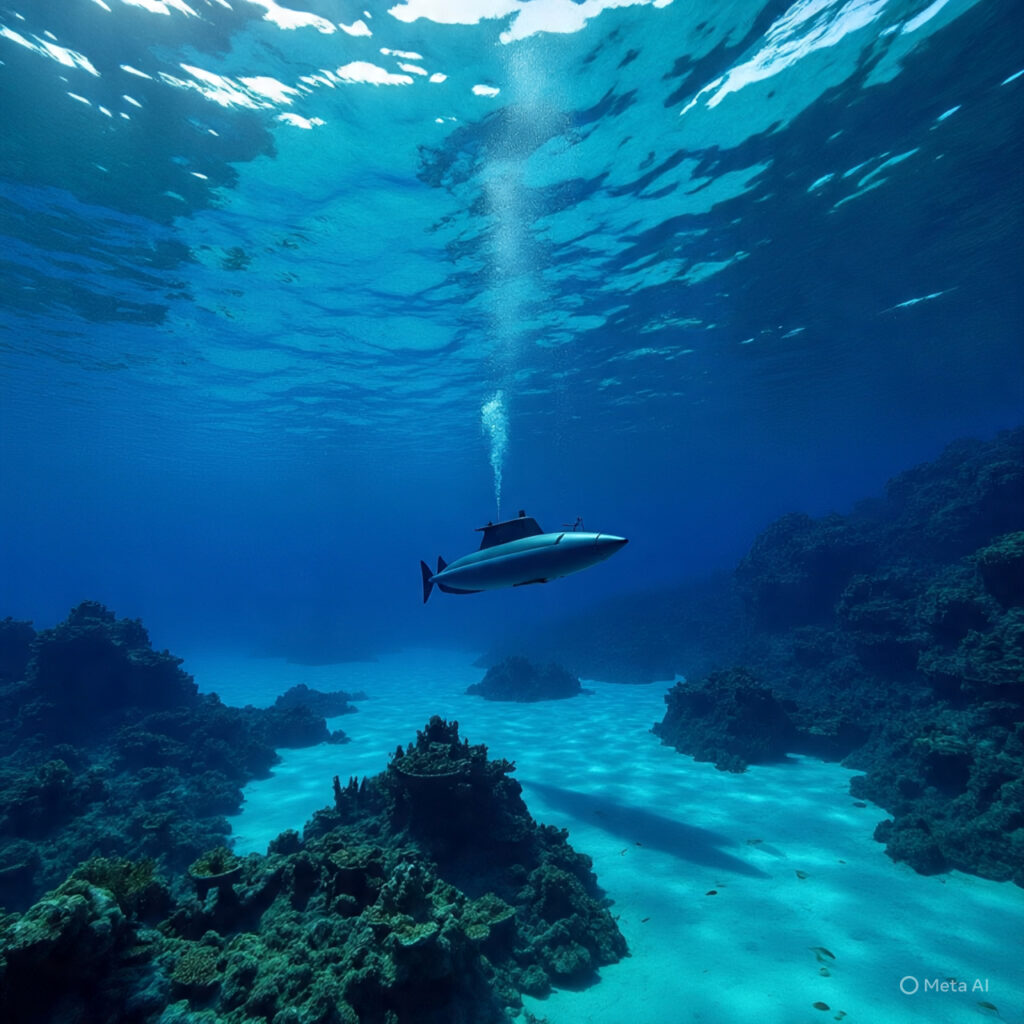
The oceans cover more than 70% of the Earth’s surface and hold some of the planet’s greatest mysteries. While they provide food, regulate climate, and support countless ecosystems, the oceans also hide places so deep and dark that even modern technology struggles to reach them. In this blog, we explore the deepest oceans in the world, their average depths, their deepest trenches, and why they continue to fascinate scientists and explorers alike.
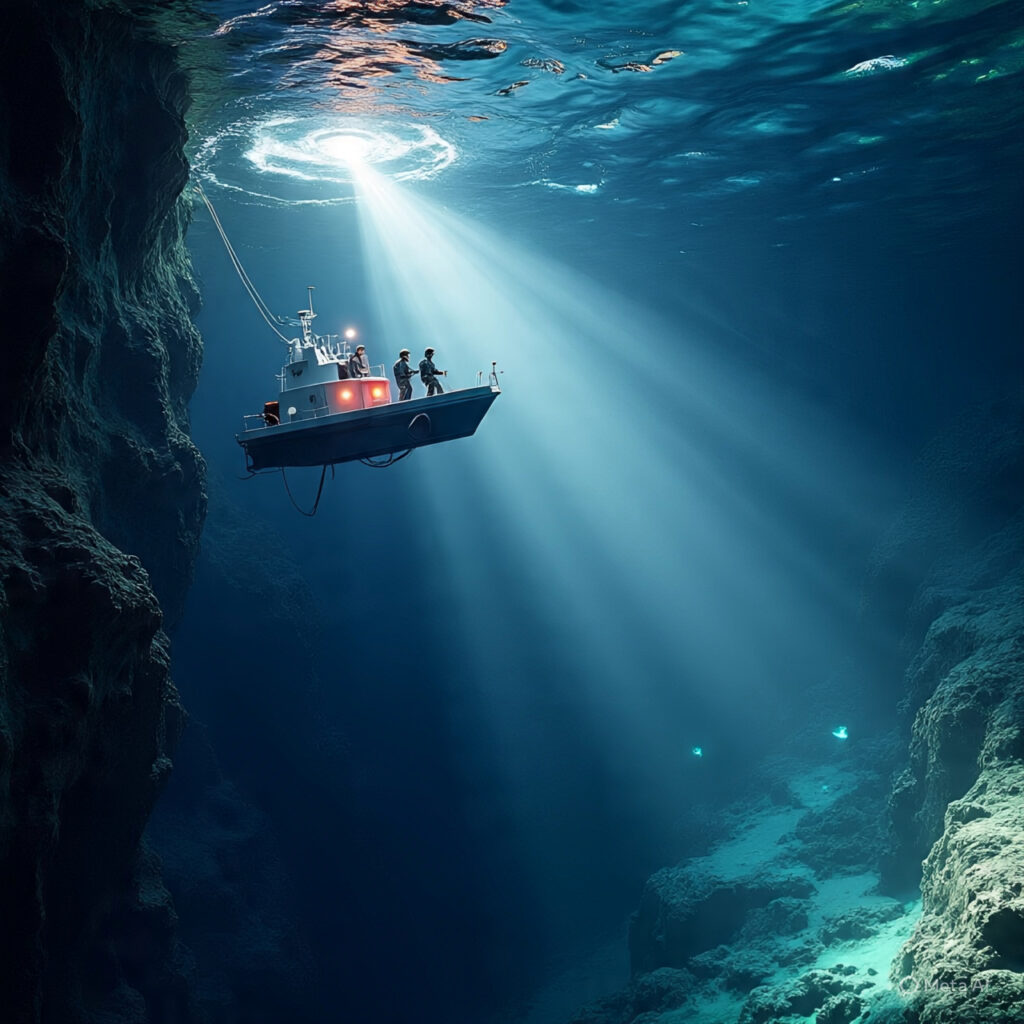
1. Pacific Ocean – The Deepest Ocean
- Average Depth: About 4,280 meters (14,040 feet)
- Deepest Point: Mariana Trench – Challenger Deep (about 10,935 meters / 35,876 feet)
The Pacific Ocean is the largest and deepest ocean on Earth. It contains the Mariana Trench, which holds the Challenger Deep, the single deepest known point in all oceans. This makes the Pacific a hub of exploration for scientists studying extreme pressure environments, unique species, and tectonic activity.
2. Atlantic Ocean – The Second Deepest
- Average Depth: About 3,646 meters (11,962 feet)
- Deepest Point: Puerto Rico Trench – Milwaukee Deep (about 8,376 meters / 27,480 feet)
The Atlantic Ocean is the second deepest. Its deepest location, the Puerto Rico Trench, lies near the Caribbean and Puerto Rico. This trench is linked to frequent earthquakes due to the collision of tectonic plates in the region.
3. Indian Ocean – The Third Deepest
- Average Depth: About 3,741 meters (12,274 feet)
- Deepest Point: Java Trench (about 7,258 meters / 23,812 feet)
The Indian Ocean is the warmest ocean and the third deepest. The Java Trench, also called the Sunda Trench, is its deepest point. This ocean plays a vital role in monsoon systems and global trade routes.
4. Southern Ocean – Encircling Antarctica
- Average Depth: About 3,270 meters (10,728 feet)
- Deepest Point: South Sandwich Trench (about 7,236 meters / 23,737 feet)
The Southern Ocean surrounds Antarctica and is known for its icy waters and powerful currents, which influence global climate. Its deepest area, the South Sandwich Trench, lies east of the South Sandwich Islands.
5. Arctic Ocean – The Shallowest but Mysterious
- Average Depth: About 1,205 meters (3,937 feet)
- Deepest Point: Eurasian Basin – Molloy Deep (about 5,550 meters / 18,210 feet)
The Arctic Ocean is the smallest and shallowest of the world’s oceans, but it remains one of the least explored because of thick ice cover and extreme conditions. The Molloy Deep in the Fram Strait is its deepest known point.
Why Are Ocean Depths Important?
- Scientific Discovery: Deep-sea exploration reveals new species and insights into evolution.
- Climate Impact: Oceans regulate global temperatures and carbon cycles.
- Geological Activity: Trenches mark tectonic boundaries, helping us understand earthquakes and volcanic activity.
- Resource Potential: Deep oceans may hold untapped mineral and energy resources, though exploitation raises environmental concerns.
Conclusion
The deepest oceans in the world remind us how little we truly know about our planet. From the Mariana Trench in the Pacific to the icy depths of the Arctic, these underwater frontiers remain largely unexplored. As technology advances, we may uncover more secrets hidden in these mysterious realms. Until then, the deep sea continues to inspire awe, curiosity, and respect.
Disclaimer:
This blog is for informational purposes only. Depths and figures are approximate and based on current available data.


Pingback: What are Vessel Traffic Services? - Jhazi Bhaiya G
Pingback: What is an Emergency Position Indicating Radio Beacon (EPIRB)? - Jhazi Bhaiya G