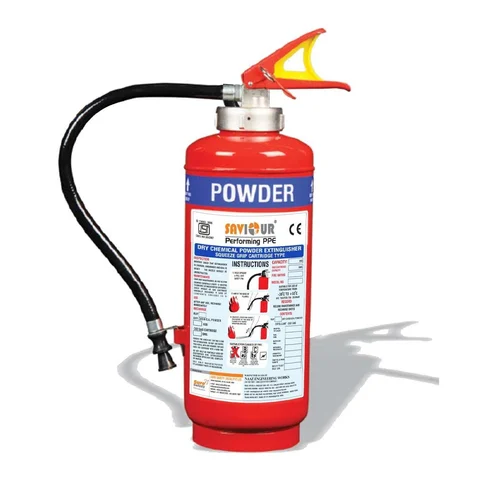
Fire safety is a non-negotiable requirement on ships due to the presence of fuel, electrical systems, and machinery. Every vessel must be equipped with proper firefighting systems to prevent emergencies from turning into disasters. Among these essential tools, the DCP (Dry Chemical Powder) extinguisher plays a major role in tackling multiple types of fires effectively. In this blog, we will understand the use, requirements, and maintenance of DCP extinguishers onboard ship as per SOLAS regulations.
🔥 What Is a DCP Fire Extinguisher?
A DCP extinguisher contains dry powder, typically sodium bicarbonate or mono-ammonium phosphate, that:
- Interrupts chemical reactions in the fire
- Forms a protective layer over burning material
- Prevents re-ignition
Because of these advantages, ships rely on DCP extinguishers during high-risk emergencies.
✅ Fire Classes Suitable for DCP Extinguisher
This extinguisher is effective against:
| Fire Class | Type of Fire | Example |
|---|---|---|
| Class A | Solid combustibles | Paper, wood, cloth |
| Class B | Flammable liquids | Fuel, oil, paint |
| Class C | Gas fires | LPG, methane |
| Electrical | Energized equipment | Panels, motors, control systems |
Thus, it is one of the most commonly used portable extinguishers onboard.
✅ Where Are DCP Extinguishers Located Onboard?
As per SOLAS requirements, DCP extinguishers must be distributed throughout:
- Engine Room & Machinery Spaces
- Pump Room on Tankers
- Main and Auxiliary Engine Areas
- Fuel Handling Stations
- Accommodation & Control Panels
- Garage/Vehicle Deck on RO-RO ships
Additionally, DCP trolleys (25 kg or 50 kg) are placed in open deck and cargo areas for wide-area coverage.
🔧 How to Use a DCP Extinguisher (PASS Method)
1️⃣ Pull the safety pin
2️⃣ Aim at the base of the fire
3️⃣ Squeeze the handle
4️⃣ Sweep from side to side
The powder discharges rapidly, so the operator must act quickly.
⚠️ Safety Precautions While Using DCP
- Ensure good ventilation, powder may cause breathing difficulty
- Avoid using near sensitive electronics — powder causes residues
- Maintain safe distance due to high discharge pressure
- Do not touch nozzle after use
Crew firefighting training reduces mistakes during real fires.
✅ SOLAS Requirements for DCP Extinguishers
As per SOLAS Chapter II-2 & FSS Code:
- Approved DCP extinguishers must be installed in engine rooms and flammable liquid spaces
- Minimum quantity and coverage depend on ship type and gross tonnage
- All extinguishers must remain accessible, serviced, and clearly marked
- Pressure gauge must show operational range
- Hydrostatic testing based on manufacturer and Class requirements
Surveyors check expiry dates, condition, and records during PSC and annual surveys.
✅ Maintenance Checklist
| Check Item | Frequency |
|---|---|
| Pressure in green zone | Monthly |
| Powder free-flowing | Regular shake check |
| Nozzle and hose clear | Monthly |
| Body free from corrosion | Monthly |
| Hydro test | As per regulation |
Recordkeeping is important for survey inspections.
✅ Conclusion
DCP extinguishers onboard ships offer fast and powerful protection against a wide range of fires. Their ability to cut off the chemical reaction makes them essential for engine rooms and flammable liquid areas. However, crews need proper training and routine inspections to ensure the extinguisher performs flawlessly when a real emergency strikes. Following SOLAS and FSS Code requirements improves safety for ships, cargo, and the entire crew at sea.
Disclaimer:This blog is for educational and informational purposes only. Always follow SOLAS, flag state, and company safety procedures on board ships.