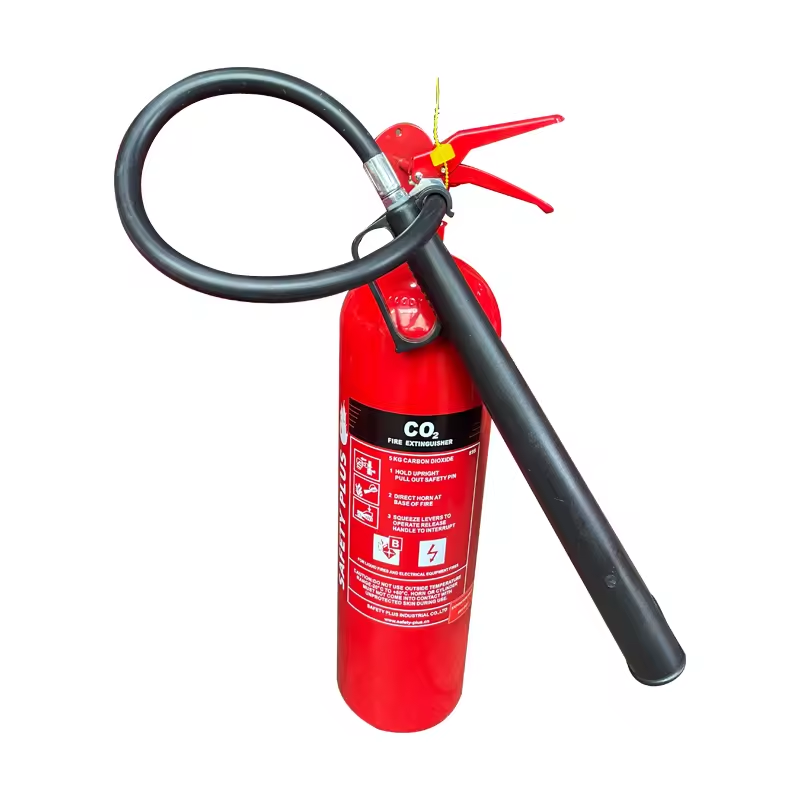
CO₂ fire extinguishers onboard ship are essential safety tools used mainly for electrical and flammable liquid fires. Because ships contain high-risk areas like engine rooms, control panels, and switchboards, CO₂ extinguishers provide fast and effective firefighting without leaving residue or causing equipment damage. Therefore, SOLAS mandates their placement throughout the vessel to ensure complete fire readiness at sea.
🔥 Why CO₂ Extinguishers Are Important on Ships?
Carbon Dioxide extinguishers work by:
- Removing oxygen from the fire zone
- Cooling the burning material
- Preventing fire from reigniting
Additionally, CO₂ does not conduct electricity, making it safe for sensitive equipment.
✅ Where CO₂ Extinguishers Are Used Onboard
Ships use CO₂ extinguishers in:
- Engine Control Room
- Main & Auxiliary Engine Areas
- Electrical Panels
- Bridge Electronics
- Galley Deep-fat Fryers (in some cases)
- Generator Spaces
These extinguishers help stop a fire before it spreads into bigger machinery spaces.
✅ How to Identify a CO₂ Extinguisher
They are usually:
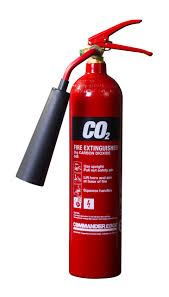
- Red body with black label
- Equipped with a horn-type nozzle
- Smaller in size compared to foam or powder extinguishers
Clear marking allows quick identification during emergencies.
✅ How CO₂ Extinguishers Work
Steps to operate:
- Pull the safety pin
- Aim the horn at the fire base
- Press the operating lever
- Sweep side to side until the fire is extinguished
Crew must always maintain proper distance because CO₂ discharges at very high pressure.
⚠️ Safety Precautions While Using CO₂
Although effective, CO₂ can replace oxygen rapidly. Therefore:
- Do not use in a confined space without ventilation
- Avoid touching the horn bare-handed (it becomes extremely cold)
- Evacuate the area immediately after discharge
- Ensure no crew collapses from suffocation
Training and awareness reduce risks.
✅ SOLAS Requirements for CO₂ Extinguishers
As per SOLAS & FSS Code:
- Ships must carry approved portable CO₂ extinguishers in machinery and accommodation areas
- Quantity depends on vessel type and equipment
- They must remain easily accessible with proper marking
- Hydrostatic pressure testing usually every 10 years
- Monthly inspection for weight, nozzle condition, seals, and accessibility
Surveyors verify records during PSC, Annual, and Renewal surveys.
🔧 Inspection & Maintenance Checklist
| Check Item | Frequency |
|---|---|
| Pressure gauge reading / cylinder weight | Monthly |
| Safety pin and seal intact | Monthly |
| Horn & hose free from cracks | Monthly |
| Rust, dents, or leakage | Regular |
| Hydrostatic test | 10 years |
Correct maintenance ensures the extinguisher works instantly in real emergency situations.
✅ Final Words
CO₂ fire extinguishers onboard ships remain a first line of defense against electrical and machinery fires. They work instantly, leave no residue, and protect expensive ship equipment. However, crew training and correct handling are essential to prevent suffocation and ensure maximum fire control. When properly inspected and maintained, CO₂ extinguishers significantly reduce the risk of onboard fire casualties.
Disclaimer:This blog is intended for maritime awareness and general informational purposes only. Although the information is based on SOLAS and FSS Code guidelines, regulations may vary depending on flag state and vessel classification. Always follow official manuals, IMO publications, and certified training instructions for accurate and updated requirements. The author and website are not responsible for any actions or decisions taken based on this content.