Blogging

What is the Difference Between Nautical Science and Marine Engineering?

What is the Difference Between Nautical Science and Marine Engineering?

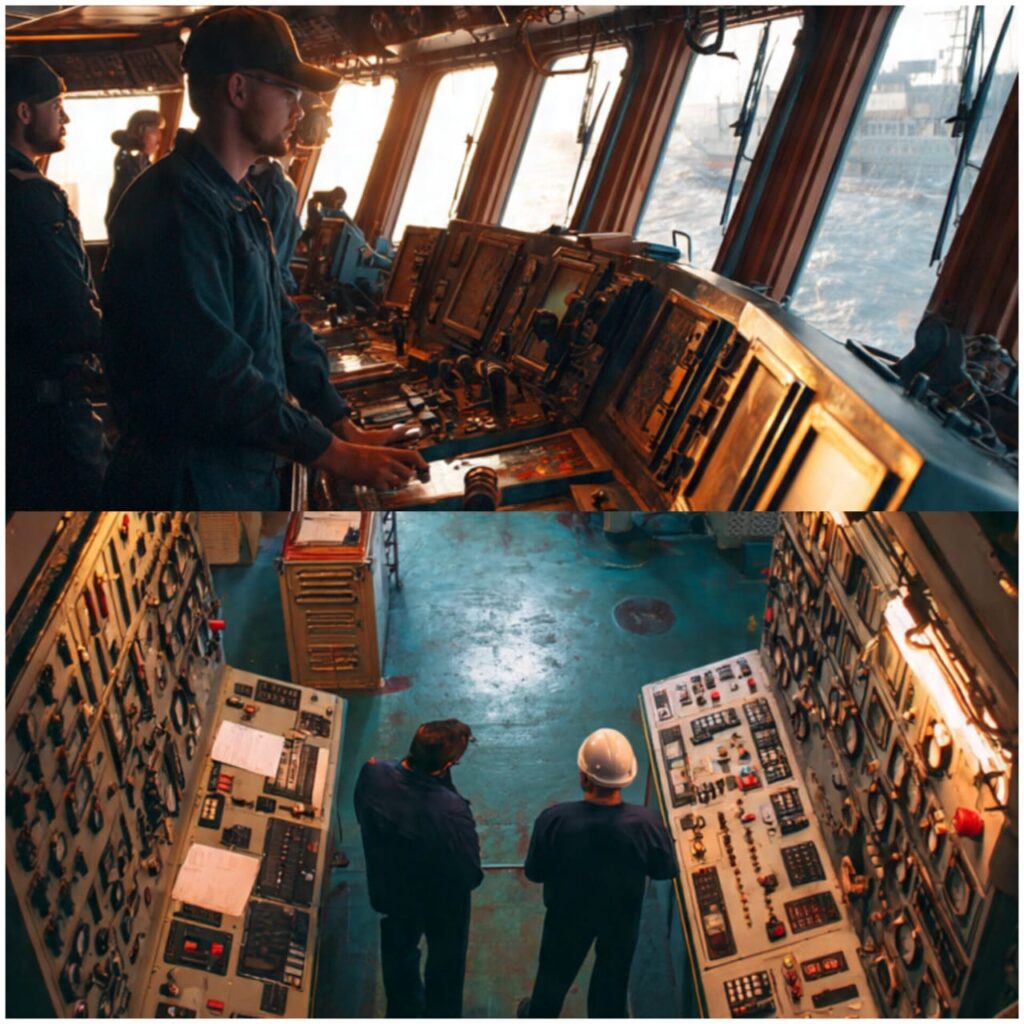
Nautical Science vs Marine Engineering Explained** The debate of Nautical Science vs Marine Engineering has existed for decades, and for good reason. Both fields form the backbone of the maritime industry. Each focuses on completely different aspects of ship operations, yet both are essential for a vessel’s safety, functionality, and success at sea. If you […]

What is the Difference Between Nautical Science and Marine Engineering? Read More »
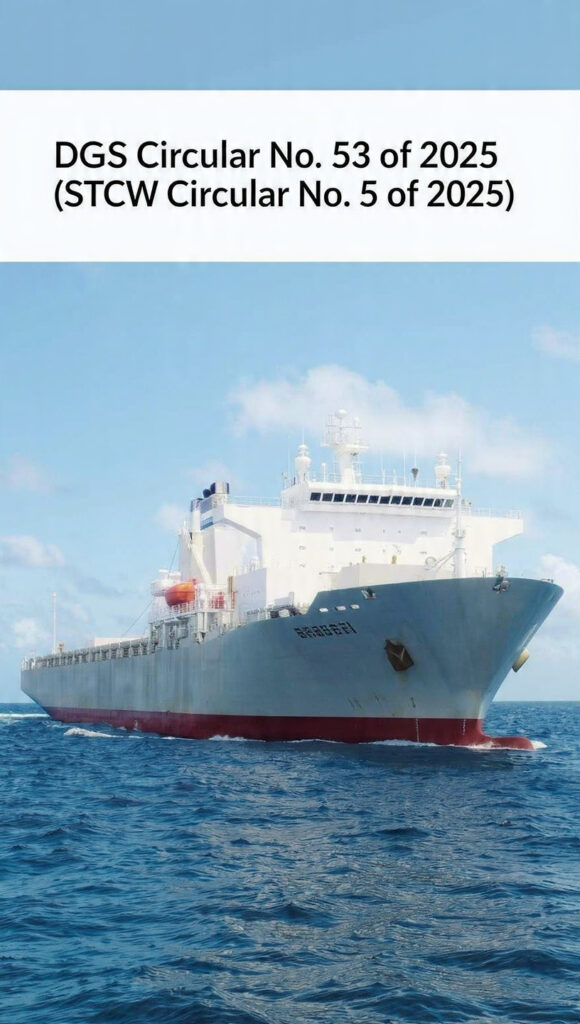
DGS Circular No. 53 of 2025(STCW Circular No. 05 of 2025)

DGS Circular No. 53 of 2025(STCW Circular No. 05 of 2025)

DGS Circular No. 53 of 2025(STCW Circular No. 05 of 2025) Explained in Simple Language:- The Directorate General of Shipping (DGS) released an important circular on 1 December 2025. It introduces a new training requirement for all seafarers. The update adds a compulsory module on preventing and responding to violence, harassment, bullying, sexual harassment and

DGS Circular No. 53 of 2025(STCW Circular No. 05 of 2025) Read More »

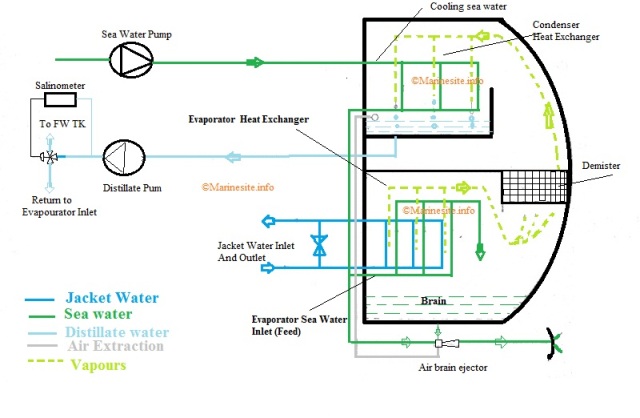
Fresh Water Generator Onboard

Fresh Water Generator Onboard

Fresh water is one of the most critical requirements on any vessel. Ships need fresh water for drinking, cooking, cleaning, machinery cooling, and boiler operation. Since carrying large amounts of water is impractical, ships produce their own using a Fresh Water Generator (FWG). The sketch provided shows a Low-Pressure (LP) Evaporator Type Fresh Water Generator,

Fresh Water Generator Onboard Read More »

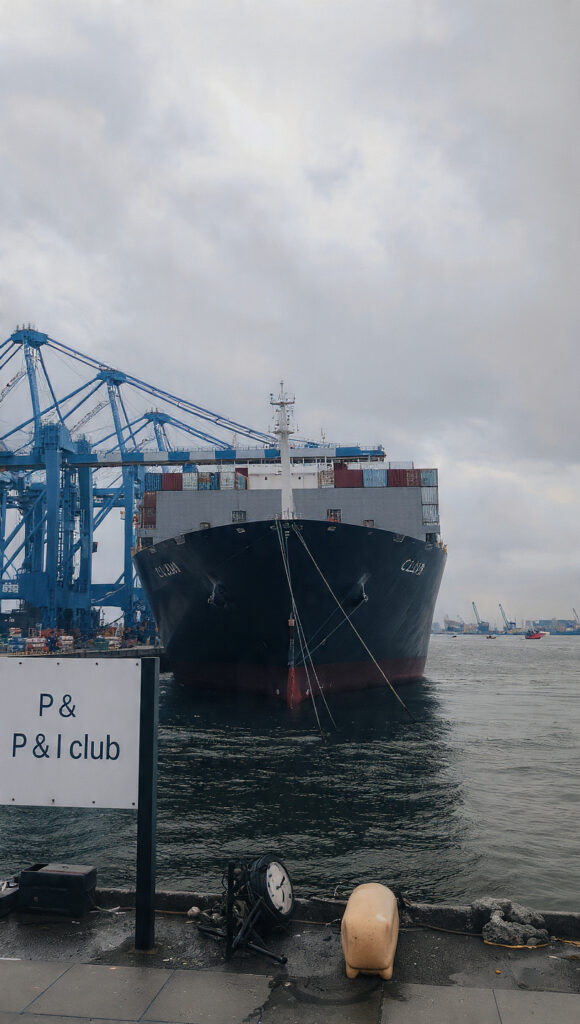
P & I Club

P & I Club

Protection and Indemnity (P & I) Clubs play a crucial role in the maritime industry. They provide insurance coverage that goes beyond what normal hull and machinery (H&M) policies offer. Because shipping involves human, environmental, and financial risks, P & I Clubs help shipowners manage unexpected liabilities. As a result, ships can operate with confidence,

P & I Club Read More »

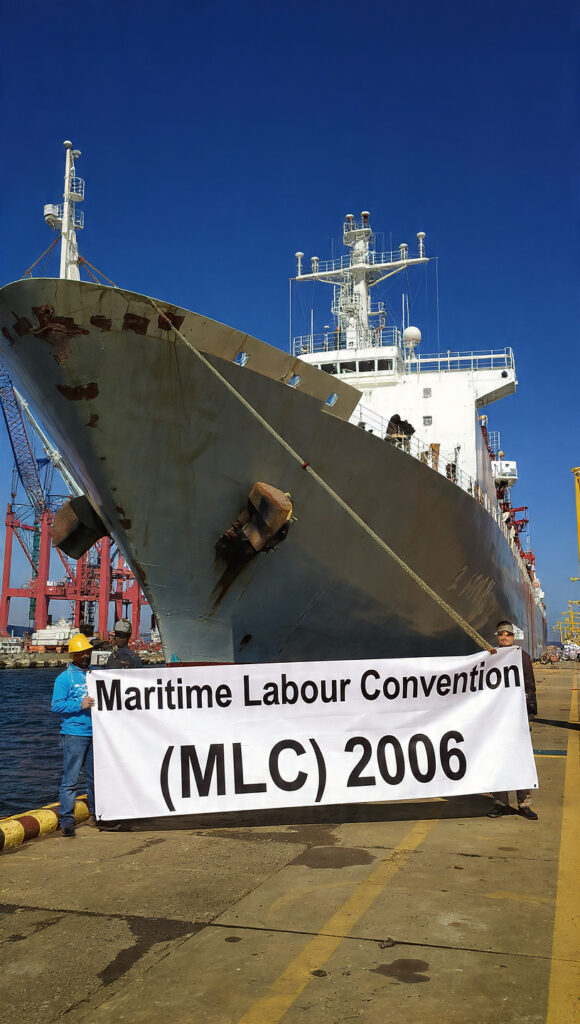
Maritime Labour Convention 2006

Maritime Labour Convention (MLC 2006)

The Maritime Labour Convention (MLC 2006) is often called the Seafarers’ Bill of Rights because it protects the working and living conditions of seafarers worldwide. It brings together different international labour standards into a single, clear framework. As a result, both seafarers and shipowners get a reliable system that ensures safety, fairness, and proper welfare

Maritime Labour Convention (MLC 2006) Read More »

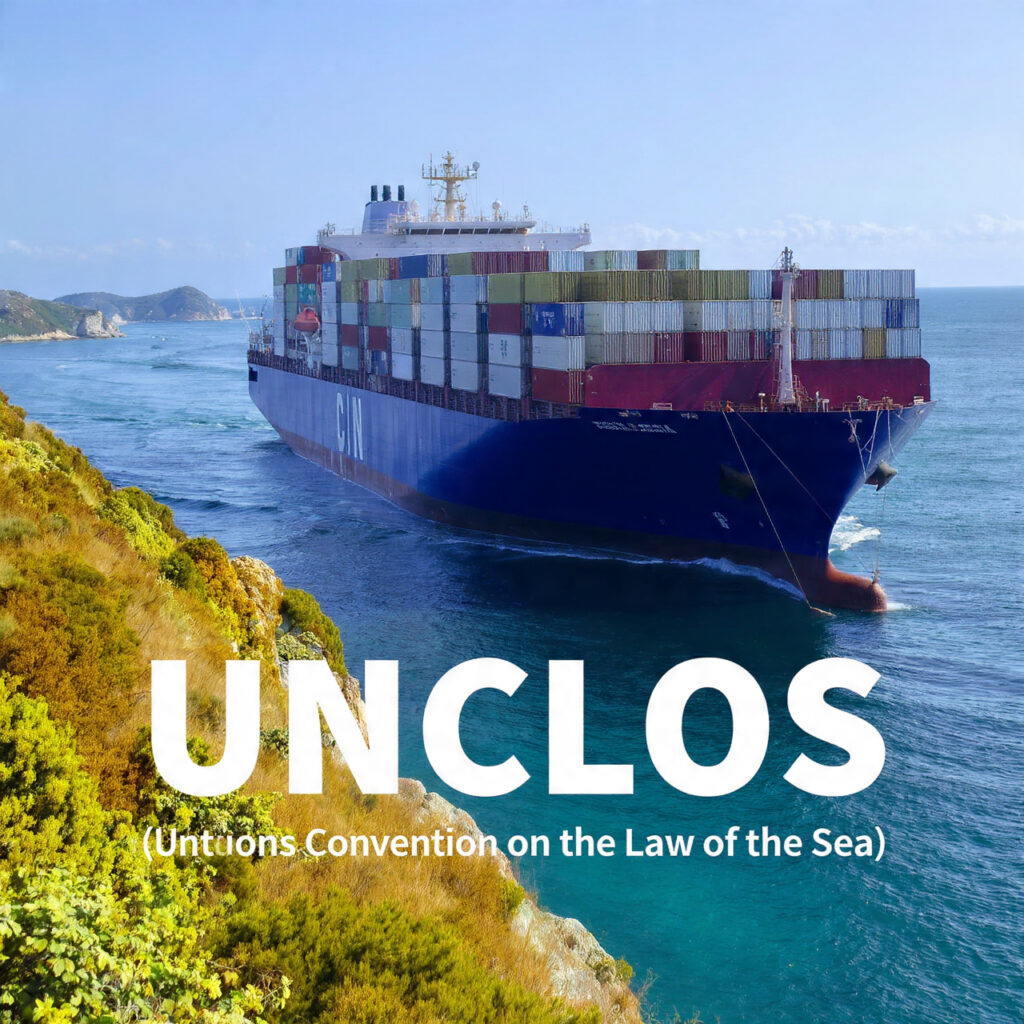
The United Nations Convention on the Law of the Sea(UNCLOS)

The United Nations Convention on the Law of the Sea(UNCLOS)

The United Nations Convention on the Law of the Sea (UNCLOS) is often called the “Constitution of the Oceans.” It is the most important international agreement that defines the rights, responsibilities, and jurisdiction of nations over the world’s oceans. Adopted in 1982 and enforced from 1994, UNCLOS governs everything from maritime boundaries and freedom of

The United Nations Convention on the Law of the Sea(UNCLOS) Read More »

Merchant Shipping Act 1958

Merchant Shipping Act 1958

The Merchant Shipping Act 1958 is one of India’s most important maritime laws. It governs all aspects of merchant shipping, including ship registration, seaworthiness, safety, certification of seafarers, crew welfare, prevention of pollution, and investigation of accidents. Because of its wide scope, the Act forms the backbone of India’s maritime administration and ensures that ships

Merchant Shipping Act 1958 Read More »

Scroll to Top