What Happened
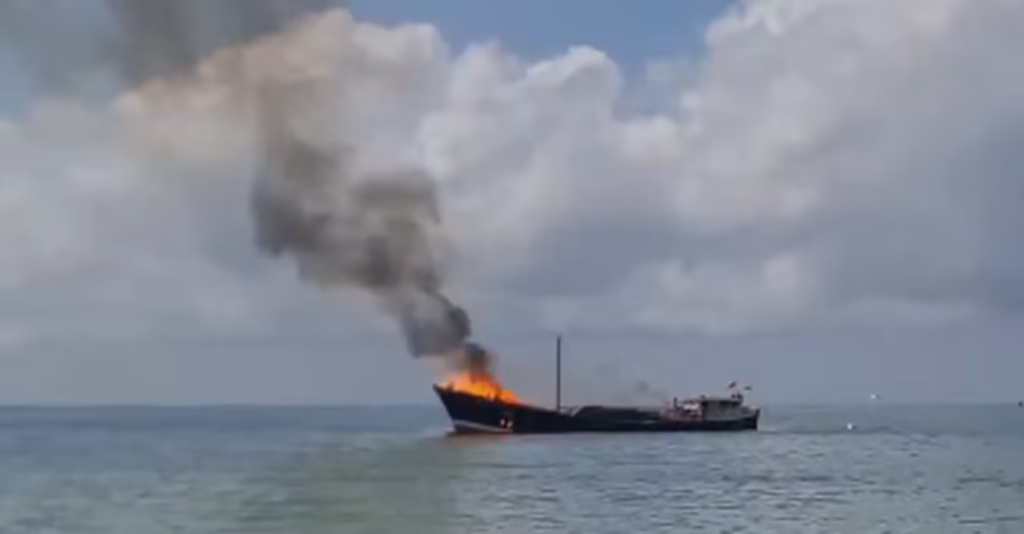
On 22 September 2025, a devastating Cargo Ship Catches Fire at Porbandar Jetty shocked Gujarat’s coastal region. The vessel Haridharshan, a ship carrying rice and sugar bound for Somalia, caught fire while anchored at the Subhashnagar Jetty. This sudden blaze turned into a serious maritime emergency, forcing authorities to launch rescue operations and tow the vessel away from the jetty to avoid wider damage.
Emergency Response
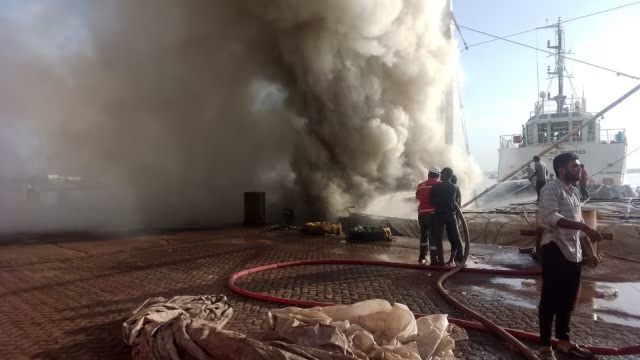
- After receiving a distress call around 6:40 AM, local fire brigade units responded promptly.
- Three fire-tenders, local police, ambulances, and rescue teams joined the effort. The Indian Coast Guard also joined from the sea side.
- Because the conflagration threatened nearby infrastructure and the jetty, authorities decided to tow the burning vessel out to sea (about 1 km or more offshore) to reduce risk.
- All 14 crew members were safely evacuated.
Damage, Risks & Current Status
- The ship sustained extensive damage, particularly in the cargo holds.
- No casualties were reported. The New Indian Express+1
- Authorities are investigating the root cause and assessing environmental risks, especially from possible leakage of diesel tanks, or spillage of cargo fuel or other hazardous substances.
Why This Matters
- The cargo (rice, sugar) normally not considered extremely dangerous, became a hazard due to how fire spreads and the proximity to fuel tanks.
- The decision to tow the vessel away from the jetty likely prevented greater damage to port infrastructure and other ships.
- Evacuating promptly prevented human casualties, but the environmental risk remains if the ship sinks or leaks fuel.
- The incident underscores the importance of fire safety protocols on board, proper emergency drills, and adequate firefighting resources at port.
Lessons & Recommendations
- Improve Fire Detection & Early Response
Ships and port facilities should have working detectors, alarms, and clearly accessible firefighting equipment. Early detection can drastically limit damage. - Training & Preparedness
Crew, port staff, and adjacent vessels must routinely train for fire emergencies. Regular drills can save lives. - Risk Assessment of Cargo
Even “ordinary” cargo like rice or sugar can worsen a fire. Shipping manifest should guide firefighting strategy. - Infrastructure & Port Safety
Port authorities should ensure enough fire brigade units, coast guard readiness, and buffer zones so that conflagrations don’t spread to other ships or facilities. - Transparent Investigation & Reporting
Authorities must share findings about cause, damage, and environmental impact to improve future safety norms.
Conclusion
The fire aboard Haridharshan at Porbandar’s Subhashnagar Jetty serves as a stark reminder: maritime transport carries inherent risks, even with seemingly harmless cargo. Fortunately, in this case, swift action prevented loss of life and limited broader damage. Still, the event should spur all stakeholders—from ship owners to port authorities—to reinforce safety, prevention, and readiness measures.
Disclaimer:
This article compiles information from official reports and media coverage regarding the cargo ship fire at Porbandar, Gujarat. Details may change as investigations progress. For the most current information, refer to statements from port authorities, the Coast Guard, or fire services.


Pingback: Seafarers’ Welfare Fund Society (SWFS) - Jhazi Bhaiya G