Introduction
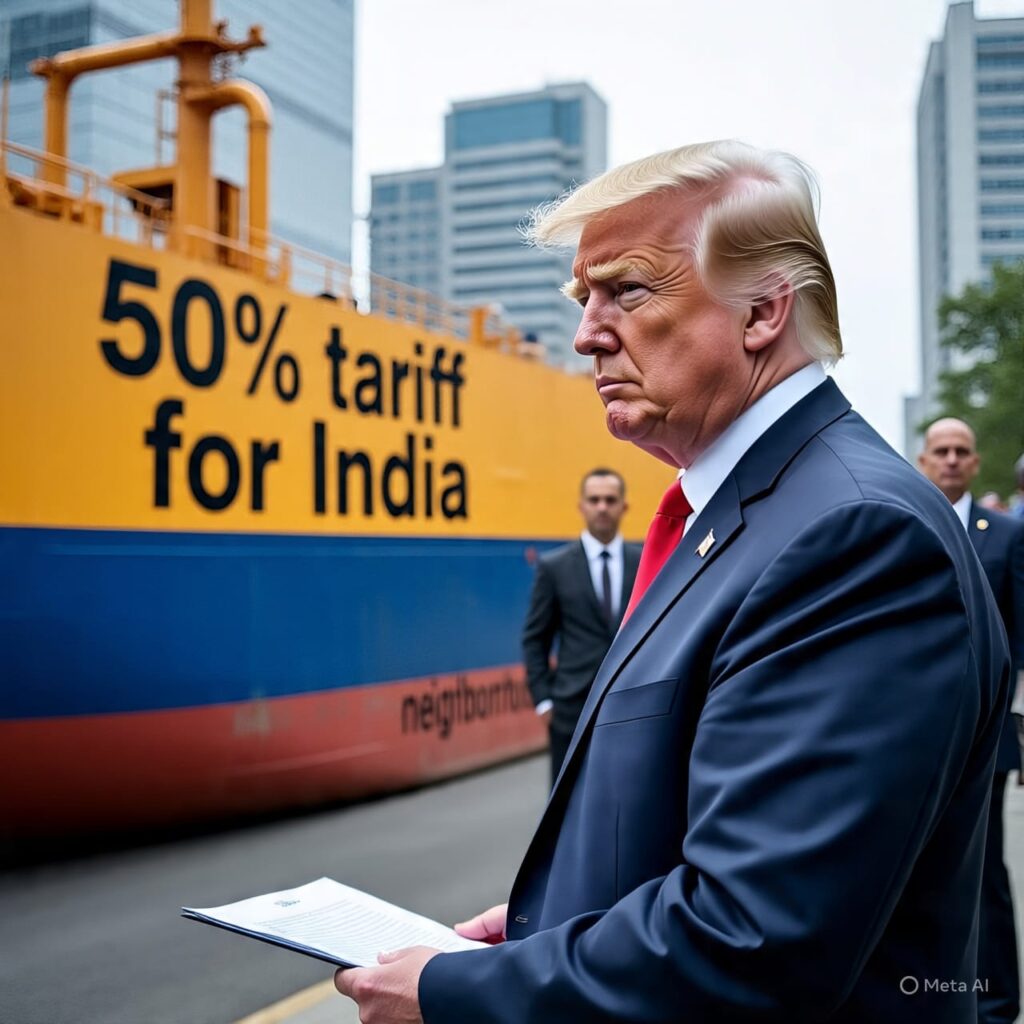
When a striking 50% of maritime traffic involving India is tied to the U.S., the implications for Indian transport in the Merchant Navy are profound—affecting trade dynamics, infrastructure development, and strategic planning. America’s 50% Wave in Indian Shipping reflects this heavy reliance on U.S.-linked trade flows, creating both opportunities and challenges for India’s shipping industry, influencing everything from freight rates to port expansion projects.
1. Navigating Trade Frictions Amid Tariffs
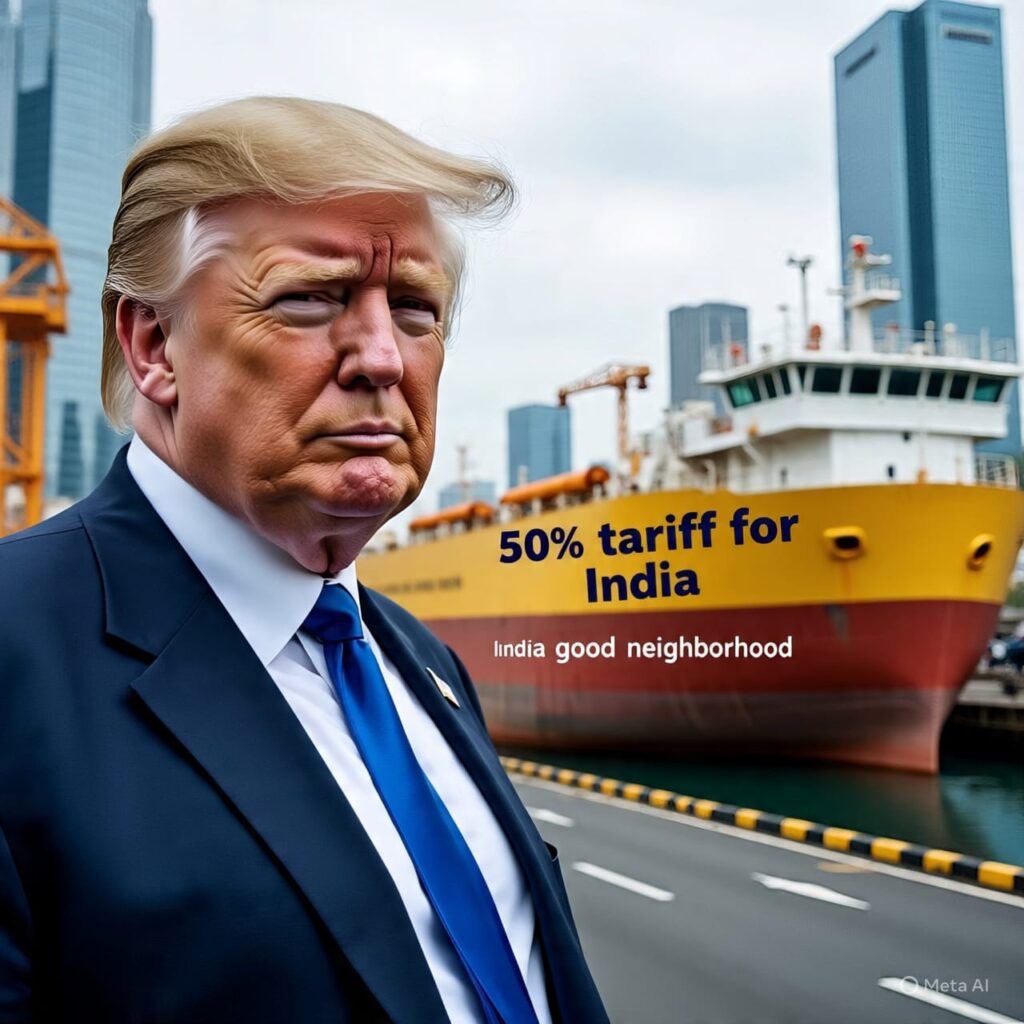
While U.S. reciprocal tariffs have introduced short-term disruptions, industry leaders remain optimistic. Jesper Kristensen, CEO of Synergy Marine Group, emphasizes that India’s expanding port capacity, skilled workforce, and robust export base underpin long-term resilience in maritime logistics . In fact, demand for multi-disciplinary maritime professionals—especially Indian seafarers—is on the rise.
2. Shipping Delays and Rising Costs
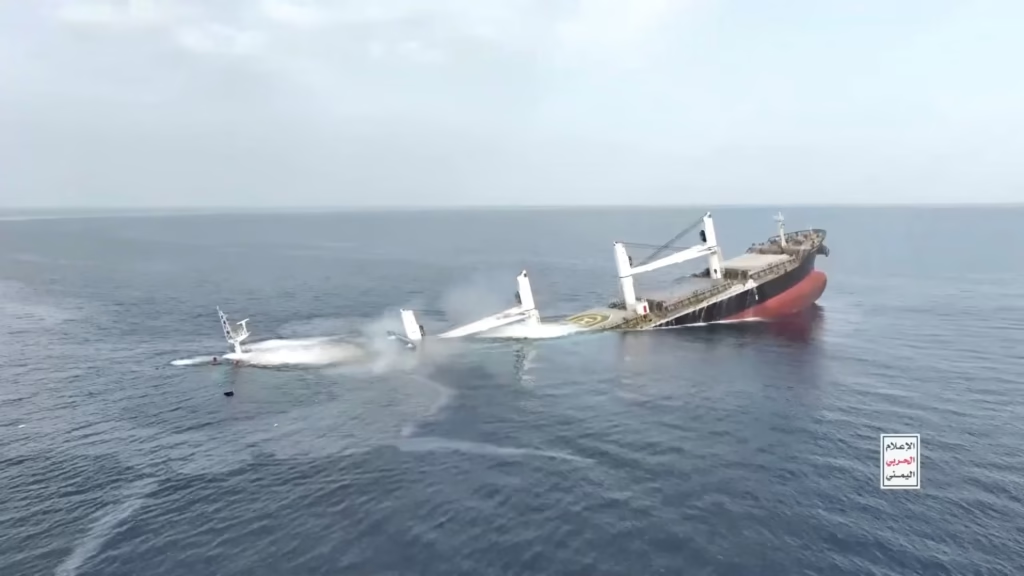
Global geopolitical instability, such as attacks by Houthi militants in the Red Sea, has forced vessels to reroute via the Cape of Good Hope—adding significant distance and time to voyages Further, disruptions like the U.S. East and Gulf Coast dockworkers’ strikes have added delays, higher costs, and logistical headaches, notably affecting Indian exports heading to the U.S.
3. Strategic Port Development and Infrastructure Growth
India’s flagship Sagarmala Programme is spearheading port-led development—driving improvements in infrastructure, connectivity, and logistics to boost competitiveness in global shipping Wikipedia. This proactivity dovetails with expanding Indo-U.S. defense cooperation: Master Ship Repair Agreements (MSRAs) enable U.S. Navy vessels to access repair facilities at Cochin, Kattupalli, and potentially Kolkata and Goa—integrating Indian shipyards deeper into strategic maritime networks
4. Bolstering Security and Maritime Presence
India has ramped up naval engagement in strategic sealanes—joining the Combined Maritime Forces and contributing to coalition efforts to protect key trade corridors. Its Operation Sankalp, aimed at safeguarding Indian-flagged vessels in high-risk zones such as the Red Sea and Gulf of Aden, exemplifies its increased commitment to maritime security in the Indian Ocean region.
Summary Table
| Theme | Insight |
|---|---|
| Tariff Resilience | Short-term U.S. tariff pressures persist, but fundamentals remain strong. |
| Logistics Complexity | Route disruptions raise transit times and costs—impacting efficiencies. |
| Infrastructure Momentum | Sagarmala and MSRA agreements are enhancing port capabilities and strategic partnerships. |
| Security Posture | India is stepping up naval operations to safeguard vital trading routes. |
Conclusion
As the U.S. accounts for roughly half of the maritime traffic linked to India, this influence ripples across strategic, economic, and operational dimensions of the Merchant Navy. From tariffs and rerouting challenges to infrastructure investments and security deployments, the response will define India’s future in global shipping.