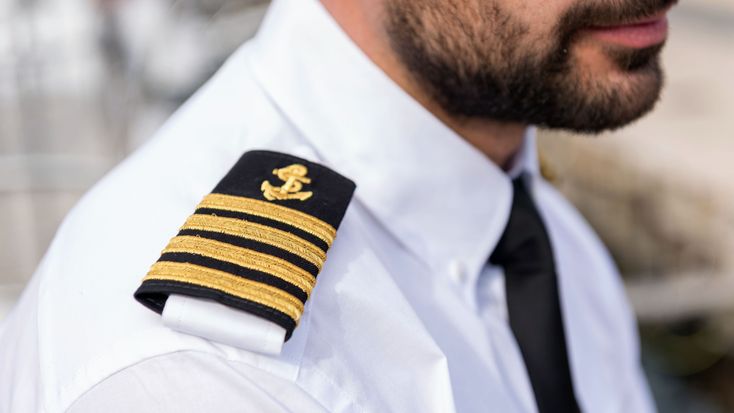
The captain of a ship, often called the Master, is the highest authority onboard and carries immense responsibility. From ensuring the safety of the crew and cargo to navigating international waters, the duties of a captain onboard a ship go far beyond just steering the vessel. Their role combines leadership, decision-making, and accountability, making them one of the most respected figures in the maritime industry.
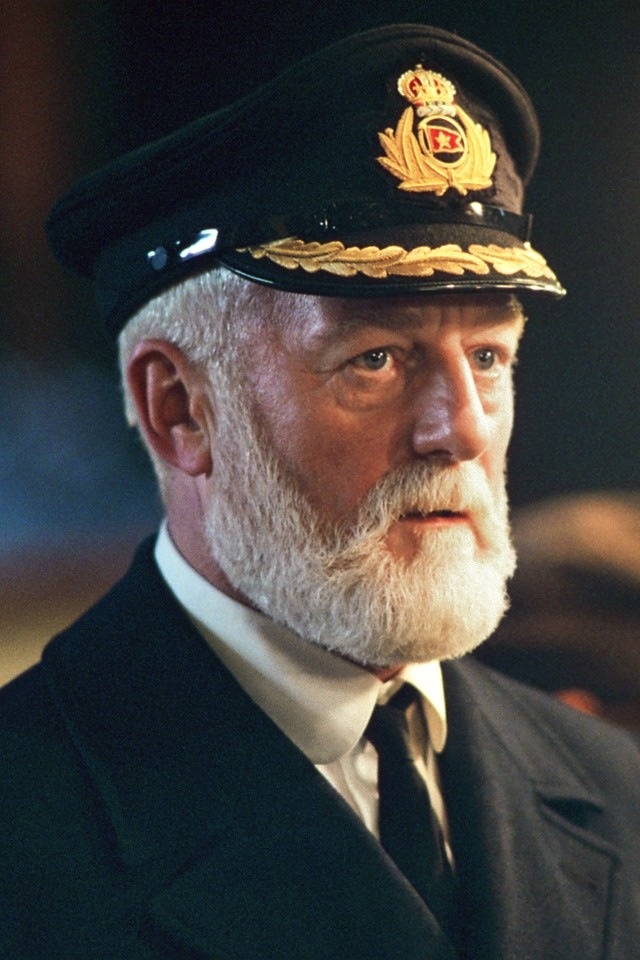
1. Overall Command and Responsibility
The captain has full command of the ship. Every operation onboard, whether it’s navigation, cargo handling, or crew welfare, ultimately falls under their responsibility. Even though tasks are delegated to officers, the captain is accountable for the ship’s safety and compliance with international laws.
2. Navigation and Voyage Planning
- Ensures safe navigation of the vessel at all times.
- Approves passage planning and monitors the route throughout the voyage.
- Makes final decisions during emergencies such as bad weather or restricted waters.
- Oversees compliance with COLREGs (Collision Regulations) and international navigation standards.
3. Safety of Crew and Passengers
- The captain is responsible for the well-being, training, and discipline of the crew.
- Conducts regular safety drills (fire, abandon ship, man overboard).
- Ensures proper implementation of SOLAS (Safety of Life at Sea) regulations.
- Maintains medical supplies and provides assistance in case of onboard accidents.
4. Ship’s Security
- Implements the ISPS Code (International Ship and Port Facility Security Code).
- Maintains control of ship access and prevents unauthorized entry.
- Ensures readiness against piracy threats or security breaches.
5. Cargo Operations
- Oversees safe loading, stowage, and unloading of cargo.
- Ensures cargo is secured and documented as per international standards.
- Maintains communication with charterers, port agents, and cargo inspectors.
6. Compliance with International Regulations
- Ensures the vessel complies with IMO conventions like MARPOL, SOLAS, and STCW.
- Maintains certificates, logbooks, and official records.
- Cooperates with port state control officers and classification society surveyors during inspections.
7. Communication and Reporting
- Acts as the main point of contact between the ship and company management.
- Reports voyage progress, incidents, or emergencies to the shipping company.
- Communicates with port authorities, pilots, and coast guards.
8. Crisis Management and Decision-Making
- In emergencies (fire, collision, grounding), the captain takes immediate command.
- Makes critical decisions to protect life, property, and the environment.
- Leads rescue operations and coordinates with external emergency services.
9. Crew Management and Leadership
- Maintains discipline and resolves disputes onboard.
- Motivates the crew and ensures proper rest hours under MLC (Maritime Labour Convention).
- Provides mentorship and training to junior officers.
10. Environmental Responsibility
- Ensures compliance with MARPOL regulations to prevent pollution.
- Monitors waste management, oil record books, and ballast water exchange.
- Promotes eco-friendly practices onboard.
Conclusion
The duties of a captain onboard a ship extend far beyond navigation—they embody leadership, responsibility, and accountability for the vessel, its crew, cargo, and the environment. A captain is not only a skilled navigator but also a leader, administrator, and crisis manager. Their decisions directly influence the safety and success of every voyage, making the role both challenging and highly respected in the maritime world.
Disclaimer: The views shared in this article are only the author’s and may not reflect the views of others. We do not guarantee the accuracy of the information and are not responsible for any errors. Data, images, or visuals are taken from public sources and may not be verified by official bodies. Reviews or comments on our blogs are personal opinions of individuals and do not represent our official views. We are not liable for any loss or damage caused by relying on this content.
Pingback: Duties of a 2nd Engineer onboard ship. - Jhazi Bhaiya G
Pingback: The Role of Indian Seafarers in Global Trade - Jhazi Bhaiya G